(See English version below.)
งานของเรา
ติดตามการประชุม ILC & เสริมพลังเครือข่ายแรงงานแพลตฟอร์ม
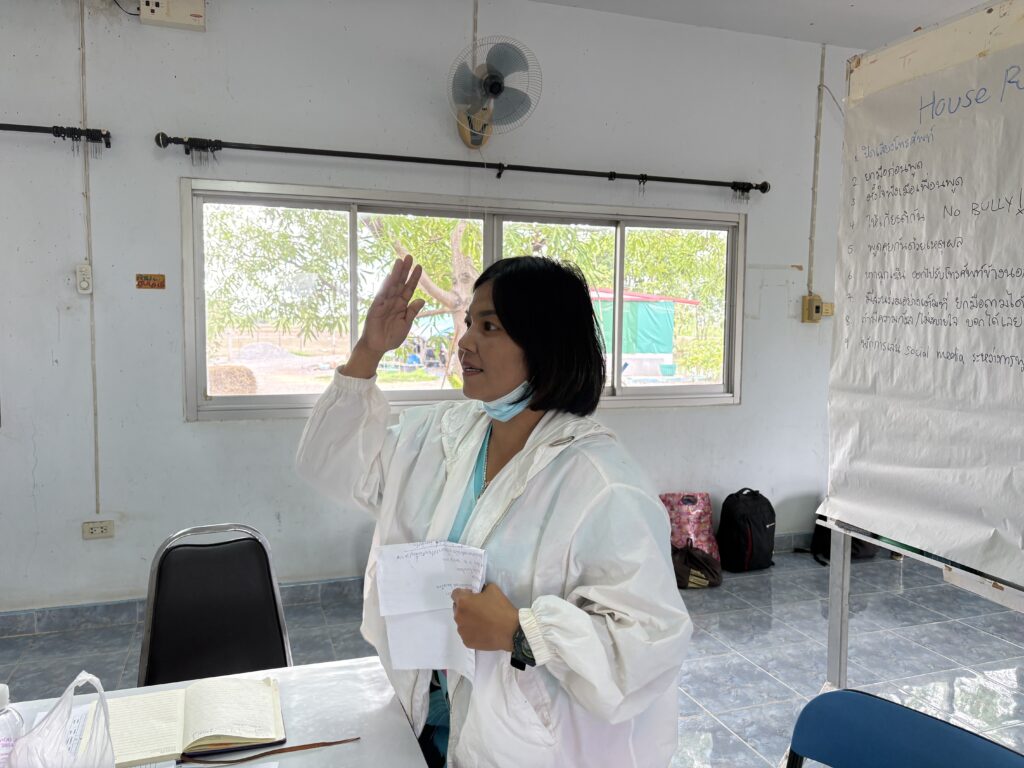
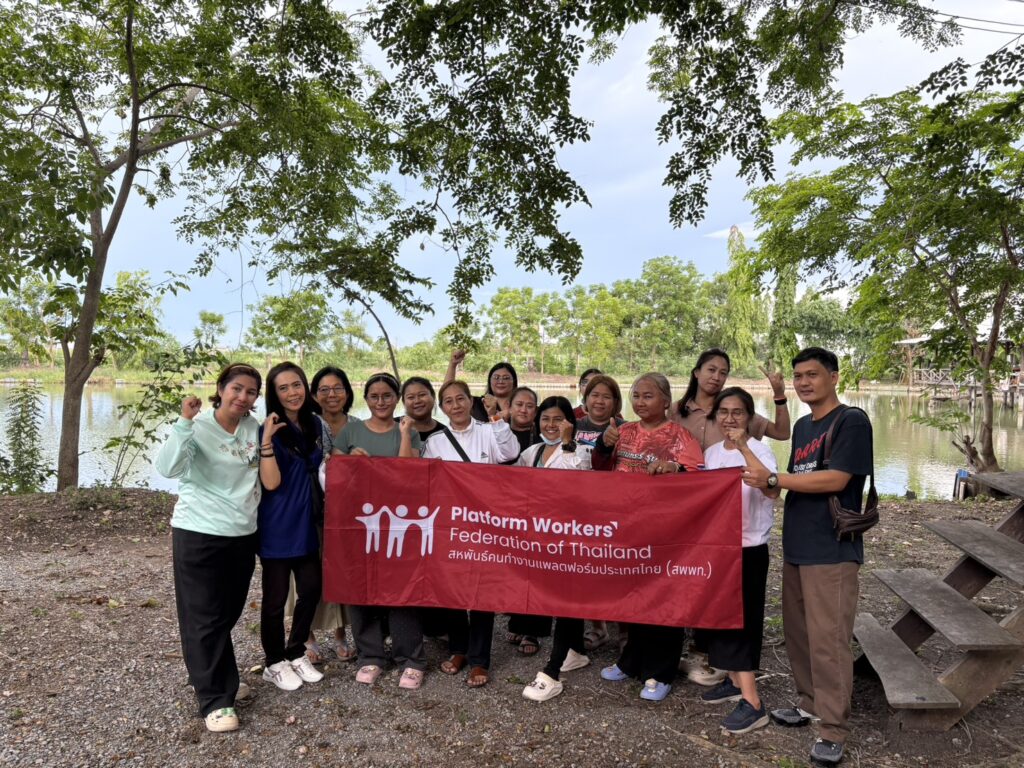
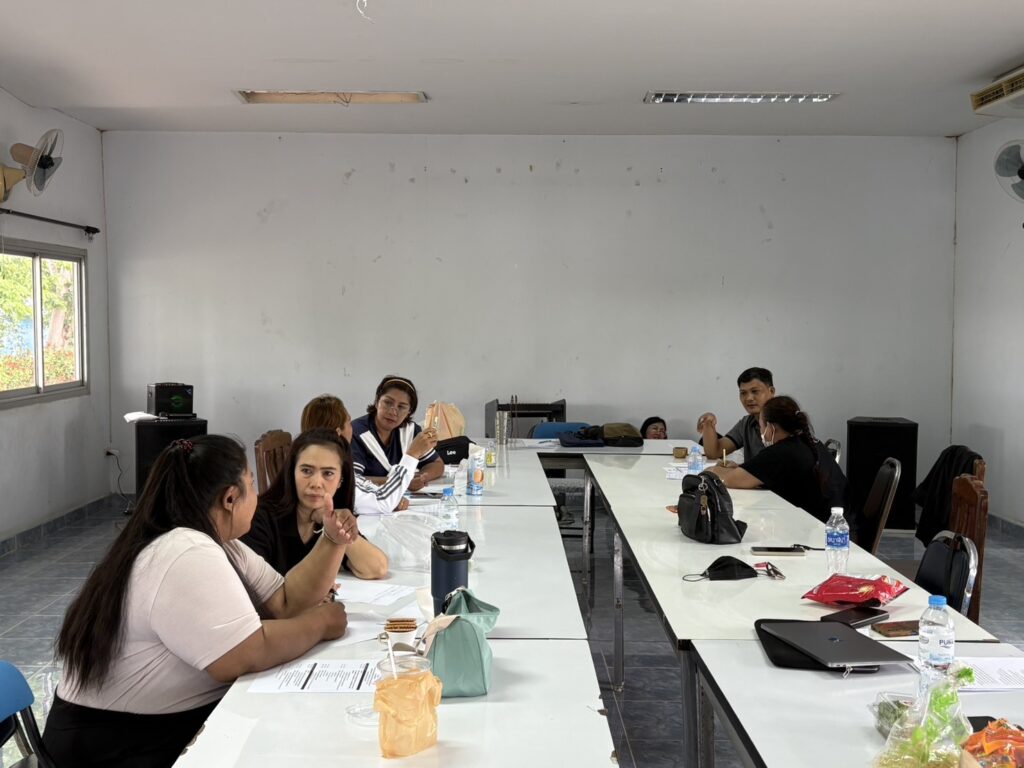
เมื่อวันที่ 8-9 มิถุนายน 2569 สถาบันแรงงานและเศรษฐกิจที่เป็นธรรม (JELI) สหพันธ์คนทำงานแพลตฟอร์มประเทศไทย (PWOT) สหภาพคนทำงาน (Workers’ Union) และตัวแทนไรเดอร์ ได้มาพบกันเพื่ออัปเดตสถานการณ์การทำงานในแต่ละพื้นที่ และแลกเปลี่ยนทิศทางการขับเคลื่อนสิทธิของคนทำงานแพลตฟอร์ม
ในการพบกันครั้งนี้ ธัญญ์นรี จารุประสิทธิ์ ตัวแทนไรเดอร์หญิง และประธานสมาคมไรเดอร์ภาคใต้ ซึ่งได้เข้าร่วมการประชุมใหญ่องค์การแรงงานระหว่างประเทศ (ILC) ในช่วงสัปดาห์แรก ที่กรุงเจนีวา ประเทศสวิตเซอร์แลนด์ ได้มาเล่าประสบการณ์และอัปเดตความคืบหน้าการหารือเรื่องอนุสัญญา ILO ว่าด้วยงานที่มีคุณค่าในเศรษฐกิจแพลตฟอร์ม เพื่อให้เครือข่ายได้รับทราบและติดตามบทสรุปของการประชุมในวันที่ 12 มิถุนายน ซึ่งจะเป็นวันสุดท้ายของการประชุม
โดยการประชุม ILC ในสัปดาห์แรกมีความคืบหน้าสำคัญหลายเรื่อง ทั้งการเห็นชอบคำจำกัดความของ “แพลตฟอร์มดิจิทัล” และ “แรงงานแพลตฟอร์ม” การยืนยันว่าการคุ้มครองต้องครอบคลุมแรงงานทุกกลุ่ม และการเห็นชอบให้มีการกำกับดูแลระบบอัตโนมัติและอัลกอริทึมที่แพลตฟอร์มใช้จัดการคนงาน อย่างไรก็ตาม หลายประเด็นสำคัญยังต้องเจรจากันต่อไป โดยเฉพาะสิทธิขั้นพื้นฐานของแรงงาน เสรีภาพในการรวมตัวและเจรจาต่อรองร่วม ความปลอดภัยในการทำงาน ค่าตอบแทนที่เป็นธรรม ประกันสังคม และสถานะการจ้างงาน หนึ่งในความคืบหน้าที่สำคัญของฝ่ายแรงงานคือ ที่ประชุมรับรองประเด็นเรื่องความรุนแรงและการคุกคาม รวมถึงความรุนแรงที่เกิดขึ้นผ่านช่องทางออนไลน์ ซึ่งเป็นปัญหาที่คนทำงานแพลตฟอร์มจำนวนมาก โดยเฉพาะคนงานหญิง ต้องเผชิญระหว่างการทำงาน
นอกจากนี้ เครือข่ายยังได้ทำกิจกรรมพัฒนาทักษะการสื่อสาร ทั้งการฟังอย่างตั้งใจเพื่อจับประเด็น การพูดเพื่อส่งต่อประเด็น การอ่านข่าว นโยบาย และสถานการณ์ที่เกี่ยวข้อง รวมถึงการเขียนเพื่อสื่อสารประเด็นแรงงานให้ชัดเจนขึ้น ทุกคนได้ร่วมกันทำความเข้าใจ EU Platform Work Directive เปรียบเทียบกับร่างอนุสัญญา ILO โดยเห็นว่า EU Directive มีหลักการที่ชัดเจนหลายประการซึ่งสามารถนำมาเป็นแนวทางในการปรับกฎหมายภายในประเทศเพื่อคุ้มครองคนทำงานแพลตฟอร์มได้ เช่น การสันนิษฐานว่าเป็นลูกจ้างเมื่อแพลตฟอร์มมีอำนาจควบคุมหรือบังคับบัญชา
สำหรับเครือข่ายคนทำงานแพลตฟอร์มหญิง ปัญหาสำคัญที่พบคือการถูกคุกคามทางเพศ ทั้งทางวาจาและการกระทำ ซึ่งยังขาดมาตรการป้องกัน การช่วยเหลือ และกลไกรับผิดชอบที่ชัดเจนจากแพลตฟอร์ม ดังนั้น ทุกคนจึงเห็นด้วยกับแนวทางที่ชัดเจนของ EU Directive ในการกำหนดให้แพลตฟอร์มต้องมีมาตรการป้องกันและจัดการความรุนแรง การคุกคาม และความเสี่ยงที่เกิดขึ้นระหว่างการทำงาน
ในระหว่างการฝึกปฏิบัติการร่วมกันสองวันนี้ เครือข่ายได้วางแผนการทำงานร่วมกันต่อในอนาคต และติดตามการประชุม ILC ต่อไป โดยเฉพาะประเด็นสถานะการจ้างงานและการคุ้มครองทางสังคม ที่กำหนดทิศทางว่าคนทำงานแพลตฟอร์มจะได้รับสิทธิและความคุ้มครองอย่างแท้จริงหรือไม่
พูดคุยเรื่อง “ประกันสังคม” กับไรเดอร์สระบุรี
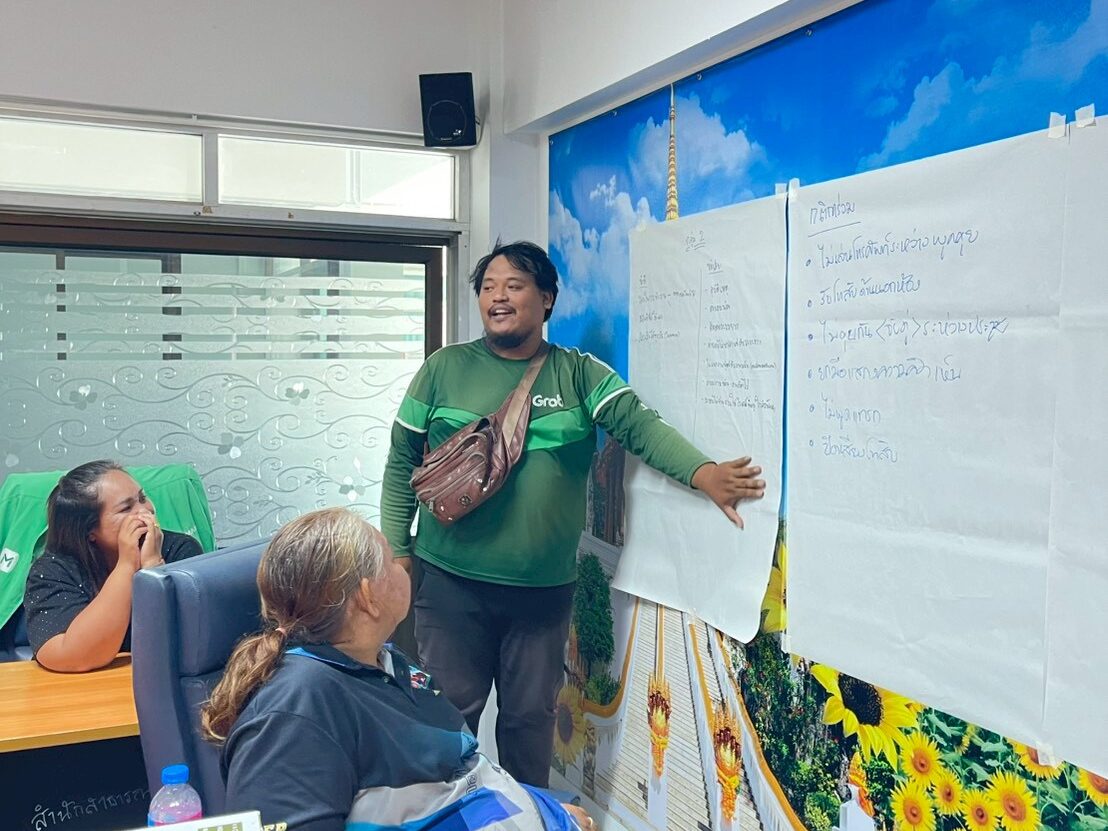
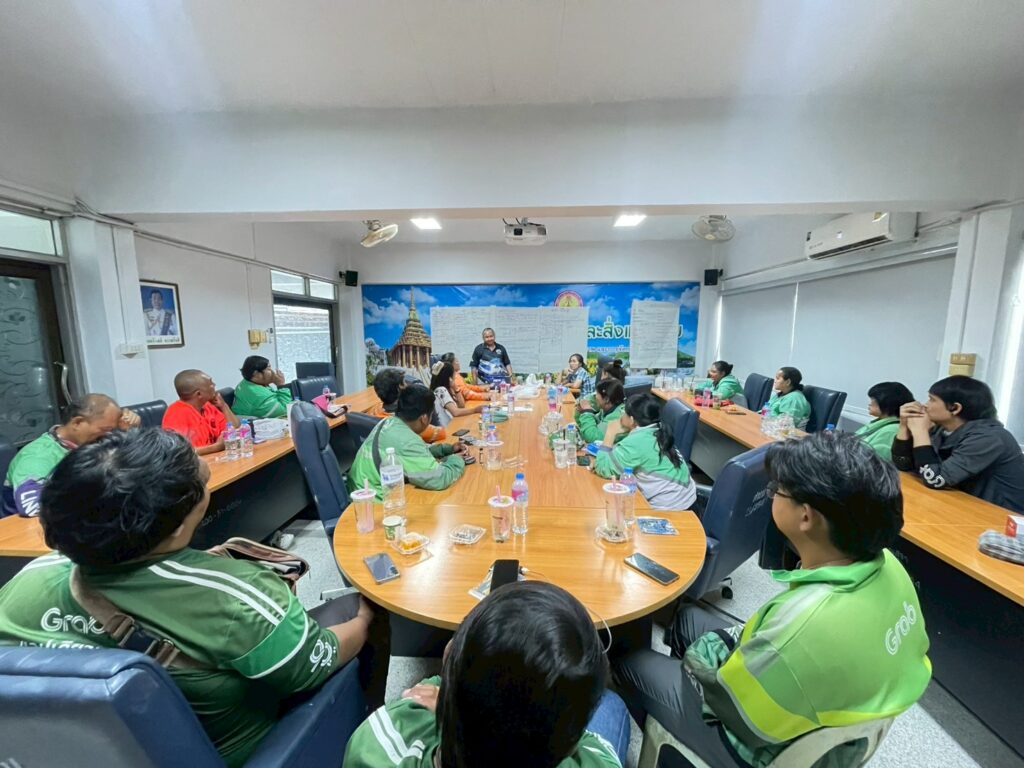
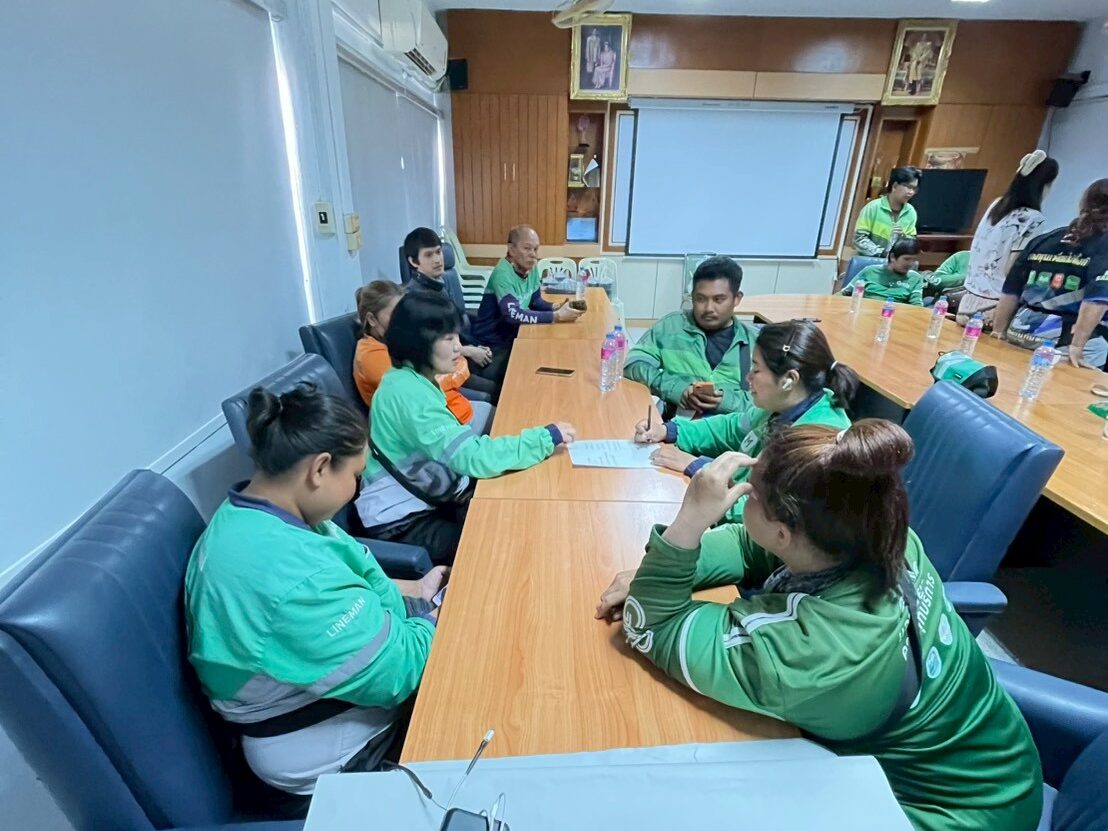
เมื่อวันที่ 10 มิถุนายน 2569 สถาบันแรงงานและเศรษฐกิจที่เป็นธรรม (JELI) จัดอบรมเชิงปฏิบัติการให้แก่กลุ่มไรเดอร์ในจังหวัดสระบุรี เพื่อสร้างความรู้ความเข้าใจเรื่องสิทธิประโยชน์ของระบบประกันสังคมมาตรา 33 ซึ่งเป็นสิทธิขั้นพื้นฐานสำคัญในการสร้างความมั่นคงทางรายได้และการคุ้มครองคุณภาพชีวิตของแรงงานแพลตฟอร์ม
การอบรมครั้งนี้มุ่งอธิบายสิทธิประโยชน์และการคุ้มครองตามกฎหมายแรงงานที่ไรเดอร์จะได้รับ หากสามารถเข้าสู่ระบบการคุ้มครองตามกฎหมายอย่างเต็มรูปแบบ ซึ่งสอดคล้องกับข้อเสนอแนะของคณะกรรมการสิทธิมนุษยชนแห่งชาติ (กสม.) ที่เคยชี้ให้เห็นความจำเป็นในการยกระดับการคุ้มครองแรงงานกลุ่มนี้ให้เท่าเทียมและเป็นธรรม โดยผู้เข้าร่วมได้แลกเปลี่ยนปัญหาจากประสบการณ์ทำงานจริง และซักถามข้อสงสัยเกี่ยวกับเงื่อนไขการเข้าสู่ระบบประกันสังคมมาตรา 33 อย่างกระตือรือร้น ทั้งจากผู้ที่ยังไม่ต้องการเข้าสู่มาตรา 33 และผู้ที่ต้องการได้รับการคุ้มครองดังกล่าว
ประเด็นที่ไรเดอร์กังวลและถกเถียงกันมากคือเรื่องความเป็นอิสระในการทำงาน โดยผู้เข้าร่วมบางส่วนกังวลว่าหากมีการเปลี่ยนสถานะเข้าสู่ระบบการคุ้มครองตามกฎหมายแรงงานอย่างเต็มรูปแบบ อาจกระทบต่อความยืดหยุ่นในการเลือกเวลาทำงาน การรับงาน และวิถีการทำงานอิสระที่เป็นจุดสำคัญของอาชีพนี้ ในกระบวนการอบรมจึงได้ชวนกันคิดและแลกเปลี่ยนความเห็น เพื่อสร้างความเข้าใจว่าการคุ้มครองสิทธิแรงงานและความยืดหยุ่นในการทำงานสามารถออกแบบไปพร้อมกันได้ โดยไม่จำเป็นต้องเลือกอย่างใดอย่างหนึ่ง ซึ่งผลจากกิจกรรมพบว่า ไรเดอร์ที่มาเข้าร่วมมีความเข้าใจเรื่องสิทธิประโยชน์ของประกันสังคม มาตรา 33 มากขึ้น และเห็นว่าการคุ้มครองดังกล่าวเป็นสิ่งจำเป็นในการลดความเสี่ยงจากการทำงานบนท้องถนน รวมถึงช่วยสร้างความมั่นคงในการทำงานมากขึ้น
กิจกรรมครั้งนี้จึงเป็นอีกก้าวสำคัญในการขับเคลื่อนสิทธิแรงงานแพลตฟอร์ม และการสร้างเครือข่ายความร่วมมือเพื่อผลักดันให้เกิดการคุ้มครองตามกฎหมายแรงงานอย่างเป็นรูปธรรมต่อไป
การเปลี่ยนผ่านสู่ดิจิทัล AI และอนาคตของการคุ้มครองทางสังคม
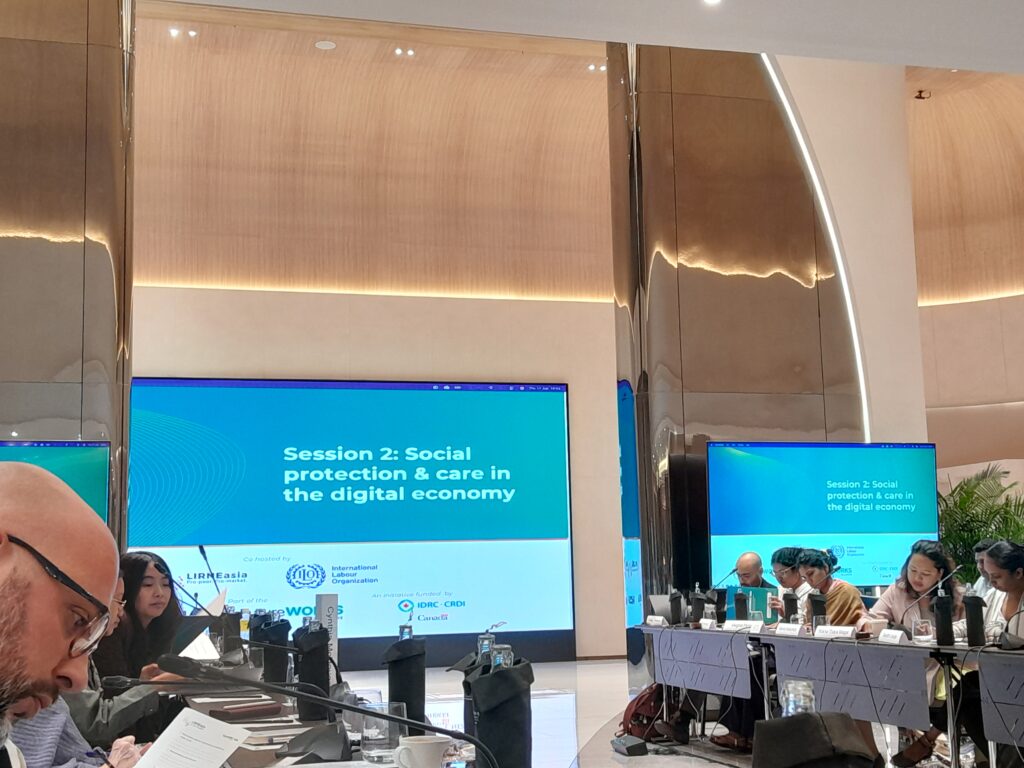
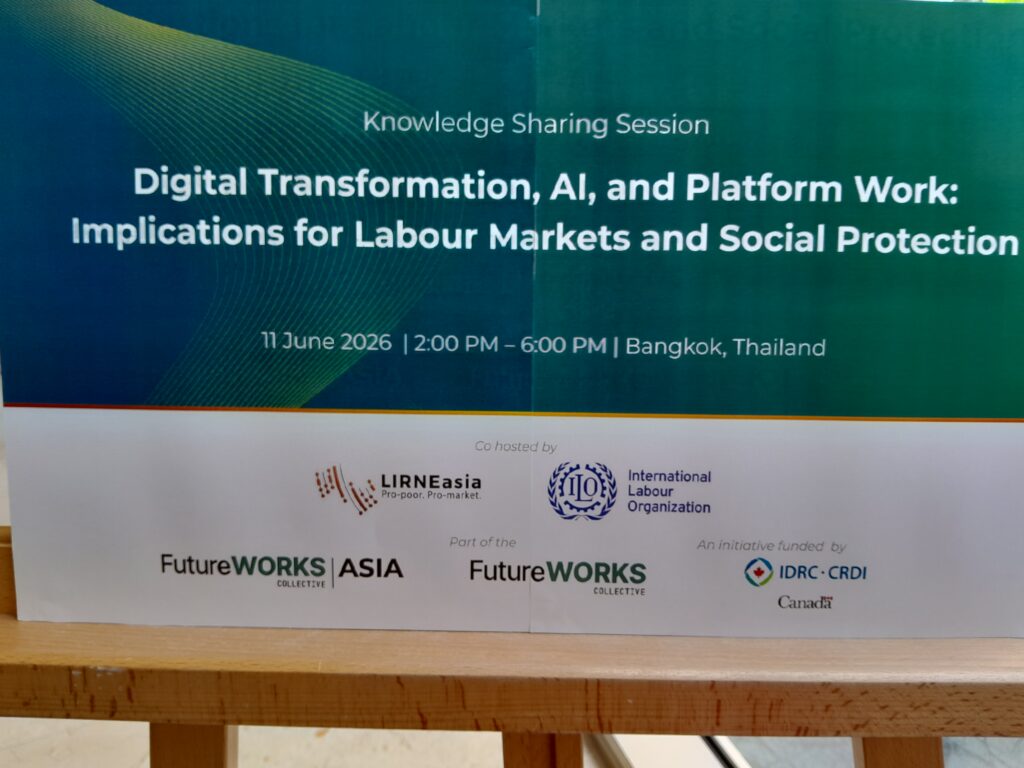
เมื่อวันที่ 11 มิถุนายน 2569 สถาบันแรงงานและเศรษฐกิจที่เป็นธรรม (JELI) เข้าร่วมการประชุมในหัวข้อ “Digital Transformation, AI, and Platform Work: Implications for Labour Markets and Social Protection” ร่วมกับผู้เข้าร่วมกว่า 40 คนจากประเทศต่าง ๆ ในภูมิภาคเอเชียแปซิฟิก โดยผู้เข้าร่วมส่วนใหญ่เป็นนักวิจัยที่มาแลกเปลี่ยนข้อค้นพบจากการศึกษาของแต่ละประเทศ
ประเด็นที่น่าสนใจจากการประชุมคือข้อเสนอของผู้เชี่ยวชาญด้านการคุ้มครองทางสังคมจากองค์การแรงงานระหว่างประเทศ (ILO) ที่ย้ำว่า การคุ้มครองทางสังคมเป็นสิทธิมนุษยชนขั้นพื้นฐาน และควรเป็นระบบที่ทุกคนเข้าถึงได้ สิ่งที่รัฐควรพิจารณาไม่ใช่ว่าแรงงาน “เต็มใจจ่าย” หรือไม่ แต่คือแรงงาน “สามารถจ่ายสมทบได้เท่าไหร่” เพราะในฐานะมนุษย์ ทุกคนล้วนต้องการหลักประกันในชีวิต เช่น การลาป่วยโดยได้รับค่าจ้างเมื่อเจ็บป่วย และเงินบำนาญเมื่อเข้าสู่วัยชรา
อีกประเด็นสำคัญคือเรื่องงานดูแล โดยผู้เชี่ยวชาญจาก ILO ชี้ว่า หลายประเทศที่กำลังเข้าสู่สังคมสูงวัย เช่น ญี่ปุ่น เกาหลีใต้ และไทย กำลังเผชิญปัญหาการขาดแคลนแรงงานดูแลผู้สูงอายุ ปัจจุบันภาระการดูแลจำนวนมากยังตกอยู่กับสมาชิกในครอบครัว ขณะที่แนวทางหนึ่งคือการเปลี่ยนให้งานดูแลเป็นงานของแรงงานดูแลมืออาชีพที่ได้รับค่าจ้าง แต่เมื่อความต้องการสูงและจำนวนแรงงานดูแลไม่เพียงพอ ต้นทุนการดูแลจึงสูงขึ้น และกระทบต่อความสามารถในการเข้าถึงบริการของผู้ที่ต้องการการดูแล
คำถามสำคัญจากนักเศรษฐศาสตร์แรงงานของ ILO ที่ชวนคิดต่อคือ เมื่อโลกการทำงานเปลี่ยนผ่านไปสู่ดิจิทัล
ผลประโยชน์จากการเปลี่ยนแปลงนี้ถูกแบ่งปันไปถึงแรงงานจริงหรือไม่?
พื้นที่สนทนาว่าด้วยศักยภาพและความท้าทายของขบวนการแรงงานไทย
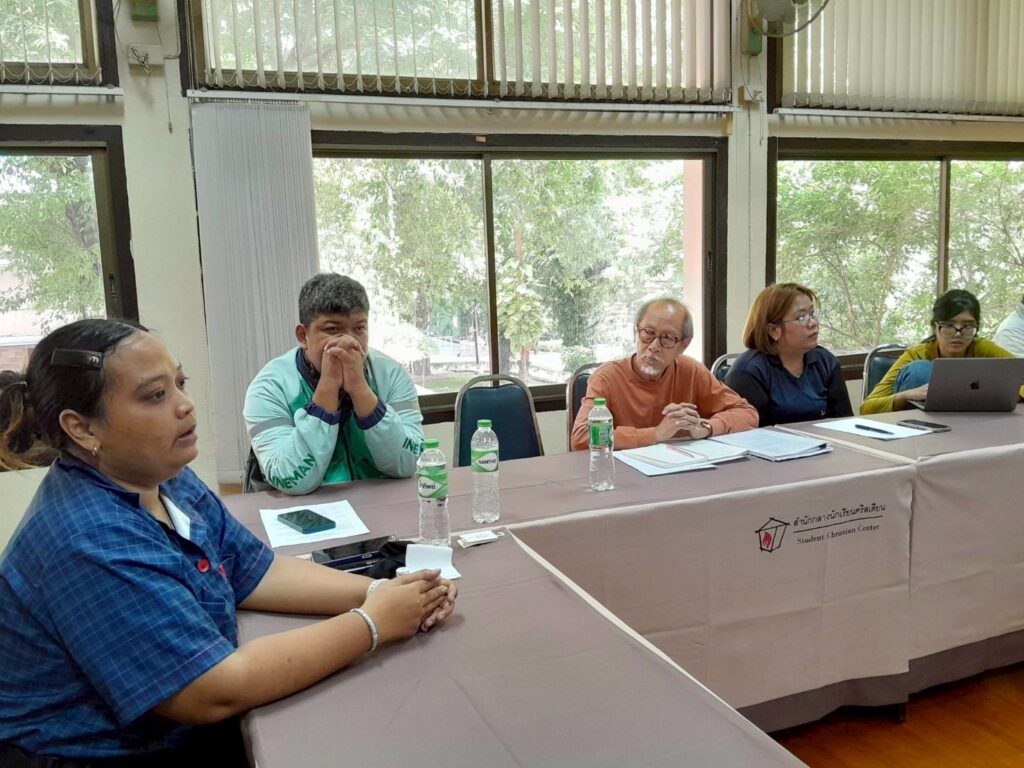
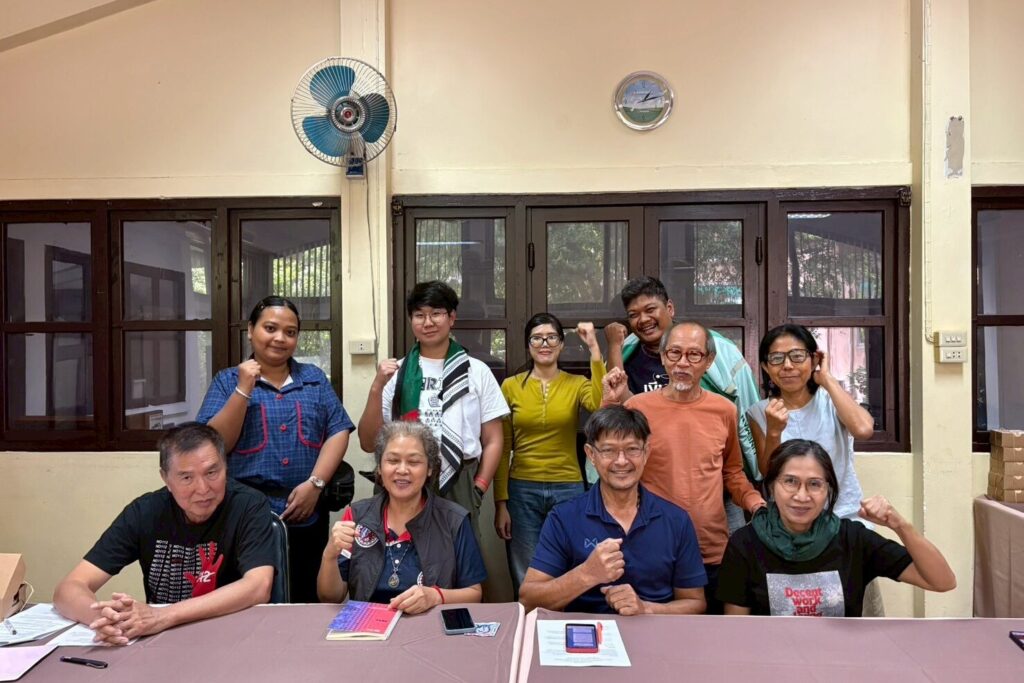
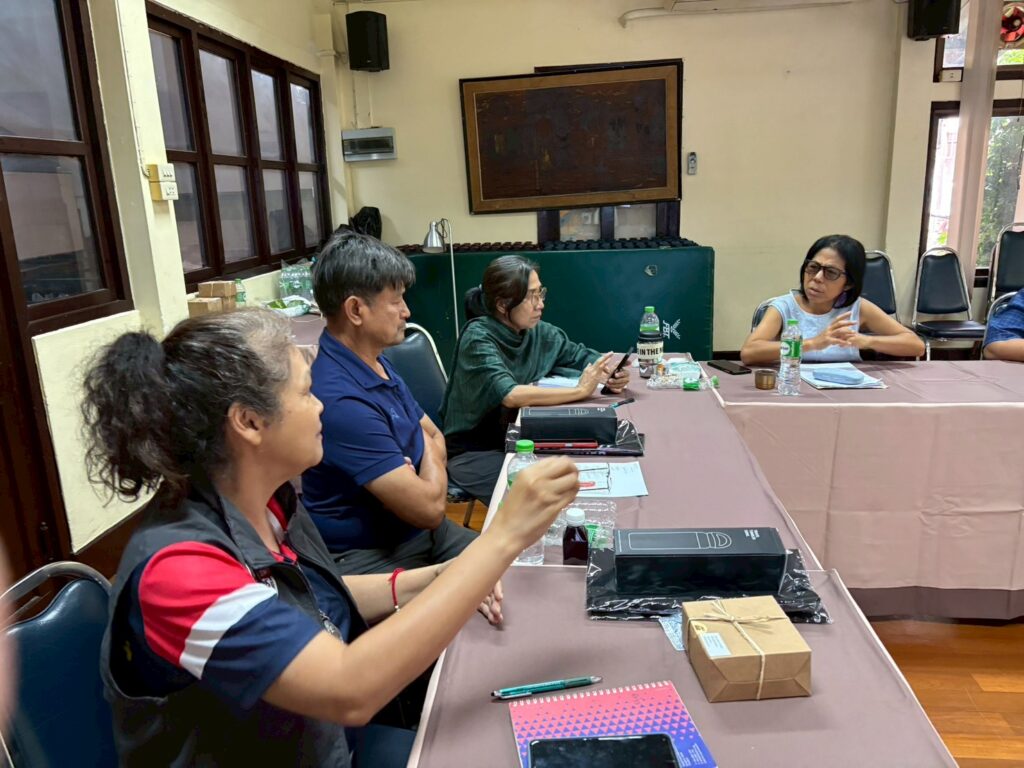
เมื่อวันที่ 29 มิถุนายน 2569 สถาบันแรงงานและเศรษฐกิจที่เป็นธรรม (JELI) เปิดพื้นที่สำหรับการสนทนา ตั้งคำถาม แลกเปลี่ยน และสะท้อนมุมมองจากหลายฝ่ายเกี่ยวกับความเปลี่ยนแปลงของโลกการทำงานกับขบวนการแรงงานไทย การหารือครั้งนี้เป็นส่วนหนึ่งของกระบวนการพัฒนางานวิจัย และการรับฟังมุมมองจากผู้มีประสบการณ์ในหลากหลายภาคส่วน ผู้เข้าร่วมประกอบด้วยตัวแทนจากสหภาพแรงงาน แรงงานแพลตฟอร์ม นักประวัติศาสตร์แรงงาน และนักสื่อสารด้านแรงงาน ที่มาร่วมแลกเปลี่ยนเกี่ยวกับความเปลี่ยนแปลงของโลกการทำงาน ความท้าทายที่แรงงานยุคใหม่กำลังเผชิญ การสร้างความร่วมมือข้ามกลุ่มอาชีพ รวมถึงข้อจำกัดในการจัดตั้งและการทำงานร่วมกันของขบวนการแรงงานในบริบทปัจจุบัน
ชวนอ่าน
- วิกฤตคลื่นความร้อนในยุโรป ส่งผลให้มีผู้เสียชีวิตสะสมกว่า 1,300 ราย WHO ระบุว่า คลื่นความร้อนปีนี้ทำลายสถิติในยุโรป ส่งผลให้มีผู้เสียชีวิตสะสมมากกว่า 1,300 คน นับตั้งแต่ช่วงปลายเดือนมิถุนายน พร้อมประกาศเตือนว่าอากาศร้อนจัดท่ามกลางท่ามกลางวิกฤตสภาพภูมิอากาศที่รุนแรงขึ้นกำลังกลายเป็นภัยคุกคามต่อแรงงานและสุขภาพของประชาชน อ่านที่: BBC
- ILO รับรองอนุสัญญาฉบับประวัติศาสตร์ว่าด้วยงานที่มีคุณค่าในเศรษฐกิจแพลตฟอร์ม ILO รับรองอนุสัญญาฉบับที่ 193 ซึ่งเป็นสนธิสัญญาระดับโลกฉบับแรกที่มีผลผูกพันว่าด้วยงานที่มีคุณค่าในเศรษฐกิจแพลตฟอร์ม โดยครอบคลุมประเด็นสำคัญ เช่น ค่าตอบแทนที่เป็นธรรม ความปลอดภัยและอาชีวอนามัย ประกันสังคม การบริหารงานด้วยอัลกอริทึม และการจัดสถานะการจ้างงานอย่างถูกต้อง อ่านที่: Human Rights Watch
- ภาคประชาชนยื่นร่างกฎหมายยกเลิก พ.ร.บ.ค้าประเวณี เครือข่ายภาคประชาชนยื่นร่างกฎหมายยกเลิก พ.ร.บ.ป้องกันและปราบปรามการค้าประเวณี พ.ศ. 2539 ต่อรัฐสภา พร้อมเรียกร้องให้นำร่างกฎหมายกลับเข้าสู่กระบวนการพิจารณา หลังการพิจารณาเดิมต้องหยุดชะงักจากการยุบสภา เรียกร้องให้มีการคุ้มครองสิทธิ สวัสดิการ และศักดิ์ศรีความเป็นมนุษย์ของพนักงานบริการอย่างเหมาะสม อ่านที่: สถานีวิทยุกระจายเสียงและวิทยุโทรทัศน์รัฐสภา
ประเด็นที่น่าสนใจ
ILO 193: หมุดหมายประวัติศาสตร์ของแรงงานแพลตฟอร์มทั่วโลก
เมื่อวันที่ 12 มิถุนายน 2569 ที่ประชุมใหญ่องค์การแรงงานระหว่างประเทศ (ILC) มีมติรับรองอนุสัญญา ILO ฉบับที่ 193
ว่าด้วยงานที่มีคุณค่าในเศรษฐกิจแพลตฟอร์ม ด้วยคะแนน 406 ต่อ 8 เสียง และงดออกเสียง 36 เสียง ถือเป็นอนุสัญญาระดับโลกฉบับแรกที่กำหนดมาตรฐานความคุ้มครองสำหรับแรงงานในระบบเศรษฐกิจแพลตฟอร์ม
อนุสัญญาฉบับนี้ครอบคลุมประเด็นสำคัญที่แรงงานแพลตฟอร์มเรียกร้องมายาวนาน ทั้งค่าตอบแทนที่เป็นธรรม
ความปลอดภัยและอาชีวอนามัยในการทำงาน การคุ้มครองทางสังคม การจัดสถานะการจ้างงานอย่างถูกต้อง ความโปร่งใสของการบริหารงานด้วยอัลกอริทึม และการคุ้มครองจากการระงับหรือปิดบัญชีอย่างไม่เป็นธรรม
ที่สำคัญคือ สถานะการจ้างงานต้องพิจารณาจากข้อเท็จจริงของความสัมพันธ์ในการทำงาน ไม่ใช่เพียงถ้อยคำหรือสถานะที่ระบุไว้ในสัญญา นับเป็นก้าวสำคัญในการป้องกันไม่ให้บริษัทแพลตฟอร์มปฏิเสธความรับผิดชอบอยู่เบื้องหลังการจัดสถานะ
ให้แรงงานเป็น “ผู้รับจ้างอิสระ” เพื่อเป็นช่องว่างหลีกเลี่ยงความคุ้มครองตามสิทธิแรงงาน
การรับรองอนุสัญญา ILO ฉบับที่ 193 ถือเป็นหมุดหมายสำคัญ แต่ประเด็นสำคัญต่อจากนี้คือการนำไปปฏิบัติ โดยเฉพาะ เมื่อผู้แทนนายจ้างไทยเป็น 1 ในเพียง 8 เสียงที่คัดค้านอนุสัญญาฉบับนี้ในที่ประชุม ILC ขณะที่แรงงานแพลตฟอร์มในประเทศ โดยเฉพาะไรเดอร์ ยังคงเผชิญความเสี่ยงบนท้องถนน และมีรายงานอุบัติเหตุอันถึงชีวิตเกิดขึ้นแทบทุกเดือน รัฐบาลไทยจะต้องเร่งเดินหน้ากระบวนการให้สัตยาบัน และกำหนดมาตรฐานการคุ้มครองภายในประเทศให้สอดคล้องกับอนุสัญญา เพื่อให้เกิดการคุ้มครองคนทำงานที่ขับเคลื่อนเศรษฐกิจดิจิทัลอย่างแท้จริง
📘 อ่านอนุสัญญา ILO ฉบับที่ 193 ที่นี่
What Happened This Month
Following the ILC and Strengthening Platform Workers’ Networks
On 8–9 June, Just Economy and Labor Institute (JELI), Platform Workers Federation of Thailand (PWOT), Workers’ Union, and rider representatives came together to share updates from different provinces and discuss the next steps for advancing platform workers’ rights.
One of the highlights was a debrief from Tannaree Jaruprasit, a woman rider and President of the Southern Riders Association, who had just returned from the first week of the International Labour Conference (ILC) in Geneva. She shared the latest developments in the negotiations on the ILO Convention on Decent Work in the Platform Economy ahead of the final round of discussions on 12 June.
Several important issues had already been agreed during the first week, including the definitions of “digital labour platform” and “platform worker,” confirmation that protections should cover all platform workers, and provisions on regulating automated systems and algorithmic management. At the same time, negotiations continued on key issues such as fundamental labour rights, freedom of association and collective bargaining, occupational safety and health, fair remuneration, social protection, and employment status. One important achievement for the Workers’ Group was the inclusion of violence and harassment, including online violence, which reflects the realities faced by many platform workers, especially women.
The workshop also included communication training, where participants practised listening, speaking, reading, and writing to better communicate workers’ experiences and labour issues. Participants also compared the EU Platform Work Directive with the draft ILO Convention and discussed how some of the Directive’s provisions, such as the presumption of employment when platforms exercise control over workers, could provide useful lessons for future legal reforms in Thailand.
Women platform workers also shared their experiences of sexual harassment, both online and offline, and discussed the lack of clear prevention measures and accountability from platform companies. Participants agreed that the EU Directive offers useful approaches by requiring platforms to take responsibility for preventing and addressing violence, harassment, and work-related risks.
The two-day meeting concluded with discussions on future joint activities. As the ILC negotiations entered their final stage, participants agreed to continue following the process closely, particularly on employment status and social protection, as these issues will determine whether platform workers can genuinely access the rights and protections they deserve.
Discussing Social Security with Riders in Saraburi
On 10 June, Just Economy and Labor Institute (JELI) held a workshop with riders in Saraburi to build understanding of Social Security Section 33, a key protection that can provide income security and improve quality of life for platform workers.
The workshop explained the benefits and labour protections riders could access if they were fully covered under labour law, in line with recommendations from the National Human Rights Commission of Thailand, which has called for stronger and fairer protection for platform workers.
Participants shared their experiences from work and asked many questions about the conditions for entering Section 33. Some were unsure whether they wanted to be part of the system, while others wanted access to this protection. One issue that led to a lot of discussion was flexibility. Some riders worried that entering full labour protection might affect their freedom to choose working hours, accept jobs, or keep the flexible way of working they value.
The discussion therefore focused on how labour protection and flexibility can be designed together. By the end of the activity, participants had a clearer understanding of Section 33 and saw it as an important protection that could help reduce risks from working on the road and provide more stability in their work. This workshop was another step in advancing platform workers’ rights.
Digital Transformation, AI, and Platform Work
On 11 June, Just Economy and Labor Institute (JELI) joined the regional roundtable “Digital Transformation, AI, and Platform Work: Implications for Labour Markets and Social Protection,” bringing together more than 40 participants from across Asia and the Pacific. Most participants were researchers who shared findings from their work on how digital transformation is changing labour markets in their respective countries.
One of the key discussions focused on social protection. An ILO social protection specialist emphasized that social protection is a basic human right and should be universal. What should be considered is “the ability to contribute”, not “the willingness to contribute”. Regardless of occupation or employment status, everyone needs protection, including paid sick leave when they are ill and income security in old age.
The discussion also highlighted the growing care crisis in ageing societies such as Japan, South Korea, and Thailand. As populations age, care responsibilities are increasingly expected to shift from family members to professional paid care workers. However, the shortage of care workers has made care services more expensive and less affordable for many people who need them.
The meeting ended with a question raised by an ILO labour economist that stayed with many participants: As digital transformation reshapes the world of work, are workers actually sharing in its benefits?
A Conversation on the Challenge of Thailand‘s Labour Movement
On 29 June, Just Economy and Labor Institute (JELI) opened a space for conversation, questions, exchange, and reflection on changes in the world of work and Thailand’s labour movement. The discussion was part of an ongoing research process and aimed to listen to perspectives from people with experience across different parts of the labour movement. Participants included trade union representatives, platform workers, and labour activists.
Together, they exchanged views on how the world of work is changing, the challenges facing workers today, possibilities for building solidarity across sectors, and the limits of organizing and working together in the current context.
In Case You Missed It
- Europe’s heatwave linked to over 1,300 deaths. The WHO says Europe’s record-breaking heatwave has been linked to more than 1,300 excess deaths since late June, warning that extreme heat is becoming a growing threat to workers and public health as climate change intensifies. Read at: BBC
- ILO adopts landmark treaty on platform work. The ILO has adopted Convention No. 193, the first binding global treaty on decent work in the platform economy. The convention covers key issues including fair pay, safety and health, social security, algorithmic management, and correct classification. Read at: Human Rights Watch
- Sex workers’ rights advocates push to revive repeal bill. Civil society groups submitted a draft bill to repeal Thailand’s 1996 prostitution law and called for it to return to parliamentary consideration after the previous process was halted by the dissolution of parliament. The groups are calling for legal reform that recognizes sex workers’ rights, dignity, and access to protection and welfare. Read at: The National Assembly Radio and Television Broadcasting Station
In Focus
ILO 193: A Historic Milestone for Platform Workers
On 12 June, the International Labour Conference adopted ILO Convention No. 193 on Decent Work in the Platform Economy by a vote of 406 to 8, with 36 abstentions. It is the first international treaty to establish binding labour standards specifically for platform work.
The Convention addresses many of the issues platform workers have been raising for years, including fair remuneration, occupational safety and health, social protection, correct employment classification, transparency in algorithmic management, and protection against unfair account suspension or deactivation.
Importantly, employment status must be determined by the facts of the working relationship, not simply by the wording or label used in a contract. This is a significant step toward preventing platform companies from hiding behind the classification of workers as “independent contractors” to avoid their responsibilities under labour law.
The adoption of Convention No. 193 marks an important milestone, but the next challenge is implementation. For Thailand, this is especially urgent. One of the eight votes against the Convention came from the Thai employers’ representative. At the same time, platform workers in the country, including delivery riders, continue to face serious risks on the road, with reports of fatal accidents almost every month. The Thai government must accelerate the ratification process and, at the same time, set national standards in line with the Convention to protect those who keep the digital economy moving.
📘 Read the ILO Convention No. 193 HERE.
Thank you for reading along with us. We’ll keep sharing what’s ahead in the next edition!