(See English version below.)
งานของเรา
ปัญหาและอนาคตของการคุ้มครองแรงงานอิสระและแรงงานแพลตฟอร์ม
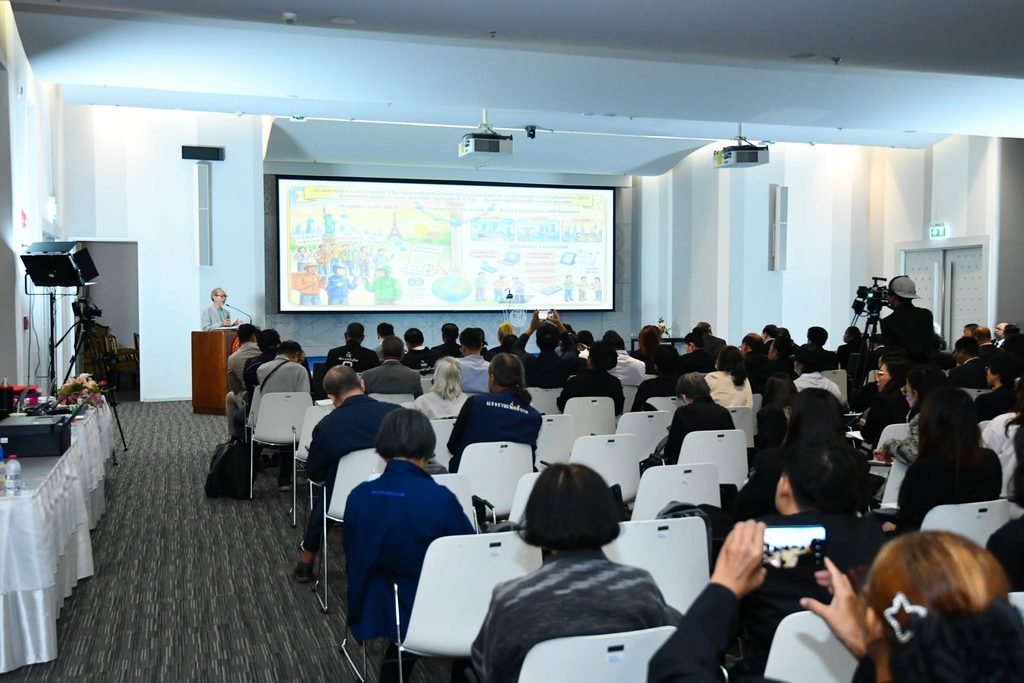
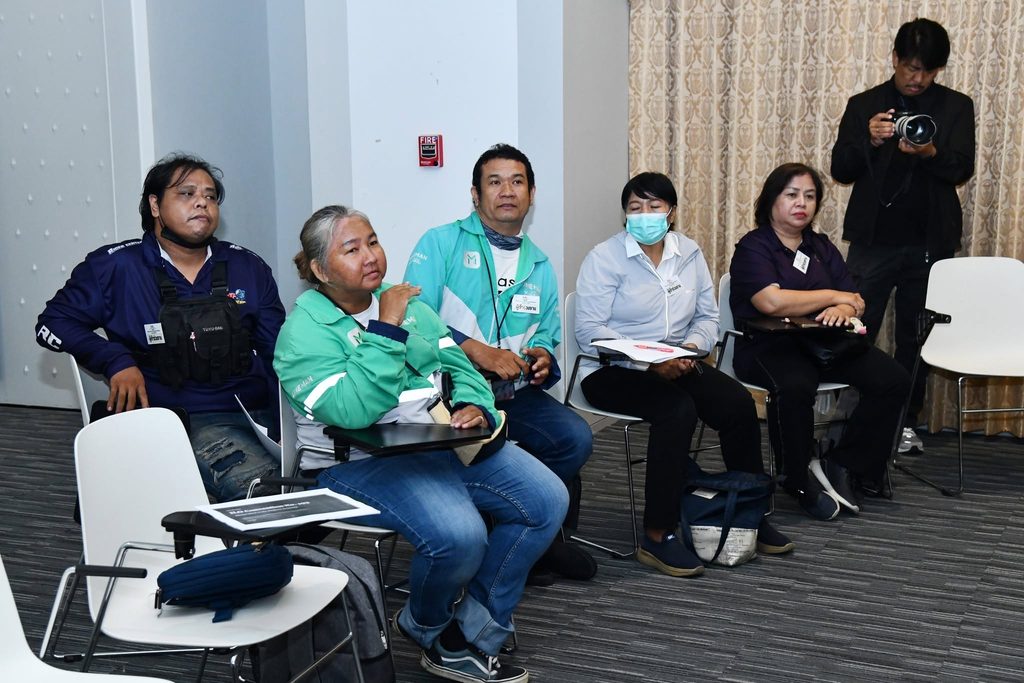
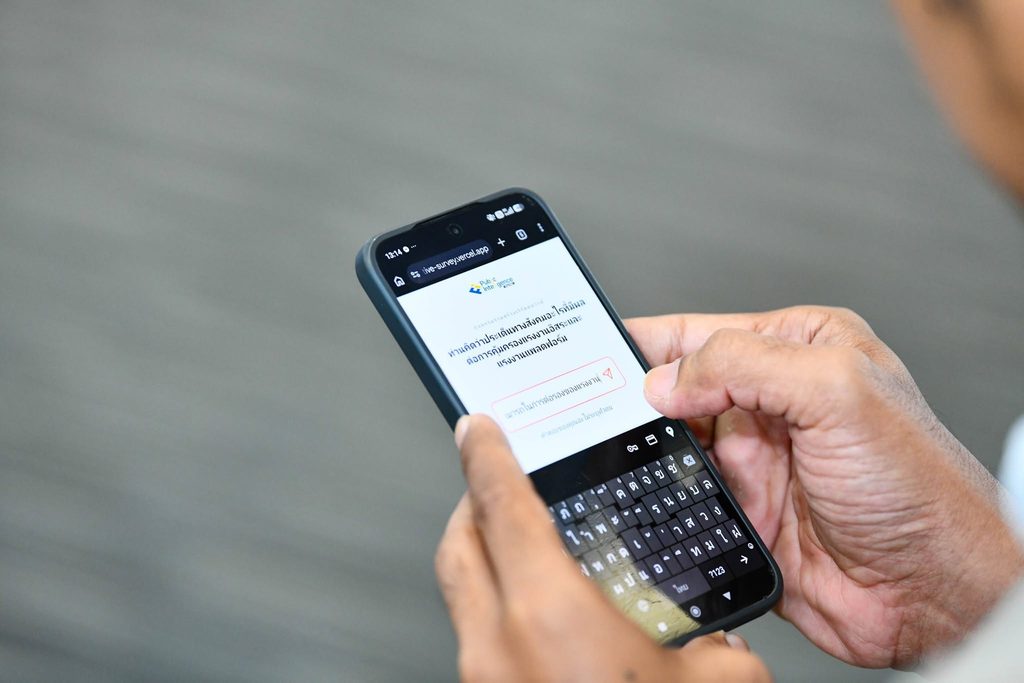
วันที่ 18 สิงหาคม 2569 สถาบันแรงงานและเศรษฐกิจที่เป็นธรรม (JELI) และสหพันธ์คนทำงานแพลตฟอร์มประเทศไทย (PWOT) เข้าร่วมงานสัมมนา “ปัญหาและอนาคตของการคุ้มครองแรงงานอิสระและแรงงานแพลตฟอร์ม” จัดโดยคณะกรรมาธิการการแรงงาน วุฒิสภา ร่วมกับมูลนิธิฟรีดริค เอแบร์ท ประเทศไทย (FES Thailand) และ Thai PBS (เสียงเปลี่ยนประเทศไทย)
งานสัมมนาครั้งนี้มีผู้เข้าร่วมมากกว่า 300 คนจากหลากหลายภาคส่วน ทั้งแรงงานอิสระ คนทำงานแพลตฟอร์ม นักสหภาพแรงงาน หน่วยงานภาครัฐ นักวิชาการ และผู้ประกอบการแพลตฟอร์ม เพื่อร่วมแลกเปลี่ยนสถานการณ์และแนวทางการคุ้มครองคนทำงานในรูปแบบการจ้างงานที่เปลี่ยนแปลงไป และเปิดพื้นที่ให้ผู้เข้าร่วมสะท้อนปัญหาที่เผชิญจากการทำงาน และเสนอความต้องการต่อการพัฒนานโยบาย เพื่อให้แรงงานในรูปแบบต่าง ๆ ได้รับสิทธิและการคุ้มครองอย่างเท่าเทียมและเป็นธรรม
อ่านข่าวกิจกรรมจาก ThaiPBS: https://www.thaipbs.or.th/locals/contents/lx0wf0vhuqfce26mx86y0xbo-
จากข้อเสนอสู่กฎหมาย: อนาคตแรงงานแพลตฟอร์มไทย
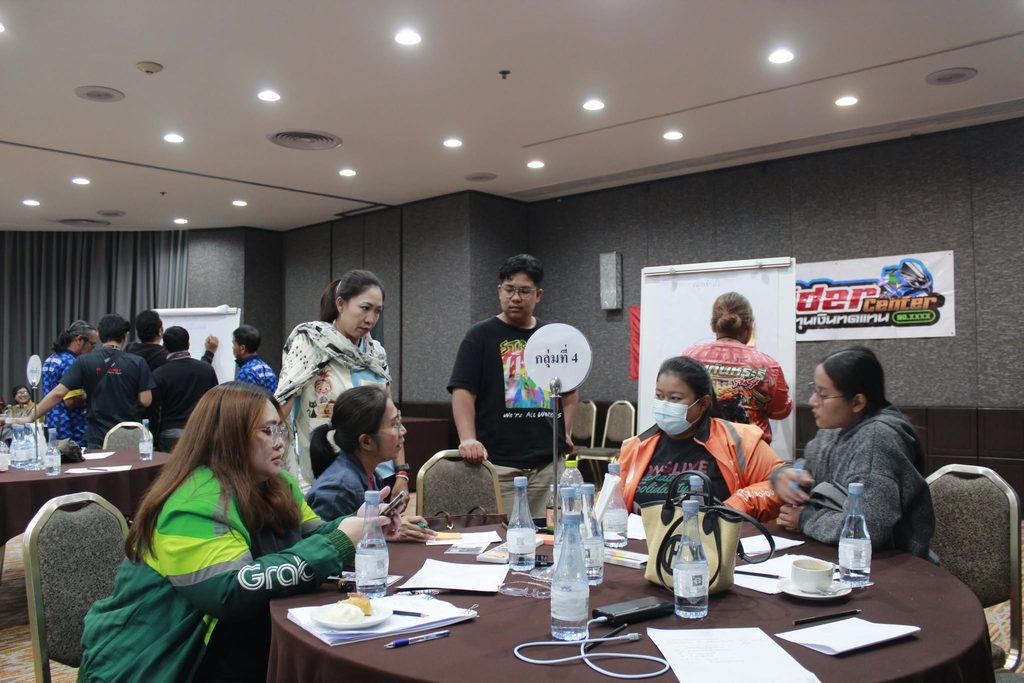
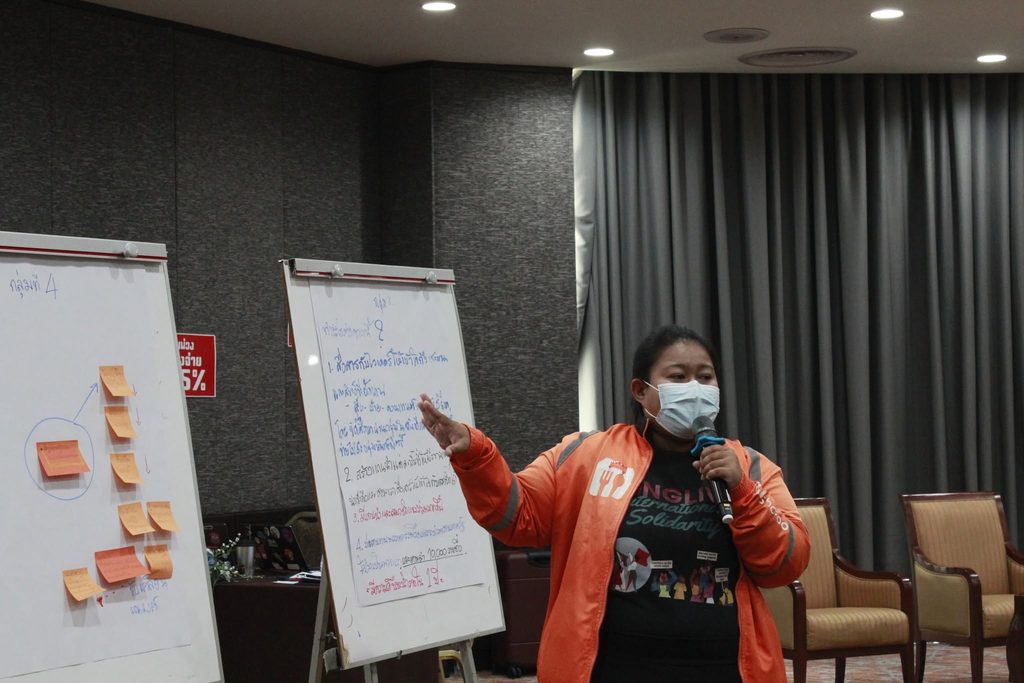
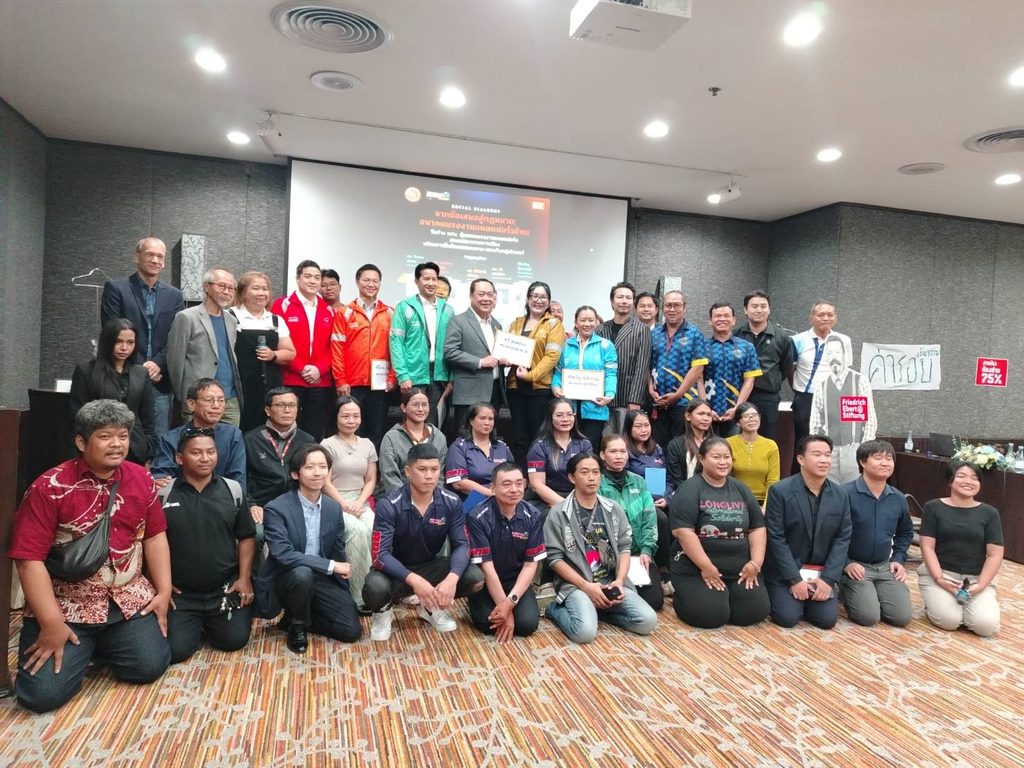
วันที่ 20 สิงหาคม 2569 สถาบันแรงงานและเศรษฐกิจที่เป็นธรรม (JELI) และสหพันธ์คนทำงานแพลตฟอร์มประเทศไทย (PWOT) เข้าร่วมเวที Social Dialogue ในหัวข้อ “จากข้อเสนอสู่กฎหมาย: อนาคตแรงงานแพลตฟอร์มไทย” ณ โรงแรมเซ็นจูรี่ พาร์ค กรุงเทพฯ จัดโดยสหภาพคนทำงาน ร่วมกับ Rider Center และมูลนิธิฟรีดริค เอแบร์ท ประเทศไทย (FES Thailand)
ภายในงานมีตัวแทนจาก 5 พรรคการเมือง ได้แก่ พรรคเพื่อไทย พรรคประชาชน พรรคประชาธิปัตย์ พรรคกล้าธรรม และพรรคประชาชาติ ร่วมนำเสนอแนวทางและความคืบหน้าของร่างกฎหมายที่เกี่ยวข้องกับการคุ้มครองแรงงานแพลตฟอร์มของแต่ละพรรค โดยในขณะนี้ร่างของพรรคกล้าธรรมมีความคืบหน้ามากที่สุดและได้เข้าสู่กระบวนการเสนอต่อคณะรัฐมนตรีแล้ว ขณะที่ร่างของอีก 4 พรรคยังอยู่ระหว่างการปรับปรุงในขั้นตอนสุดท้าย
อย่างไรก็ตาม มีข้อสังเกตว่าร่างของพรรคกล้าธรรมยังมีเนื้อหาหลายส่วนใกล้เคียงกับร่างกฎหมายของกระทรวงแรงงาน โดยเฉพาะนิยามของคนทำงานที่ยังไม่ทำให้สถานะการจ้างและสิทธิที่จะได้รับภายใต้กฎหมายแรงงานมีความชัดเจน ขณะที่ในภาพรวม ตัวแทนทั้ง 5 พรรคเห็นไปในทิศทางเดียวกันว่าคนทำงานแพลตฟอร์มควรได้รับการคุ้มครองเช่นเดียวกับแรงงานทั่วไป และควรสามารถเข้าสู่ระบบประกันสังคมได้
ในช่วงบ่าย ผู้เข้าร่วมได้ร่วมกันวางแผนกิจกรรมเพื่อขับเคลื่อนสิทธิและการคุ้มครองตามกฎหมายคุ้มครองแรงงาน พ.ศ. 2541 โดยหนึ่งในประเด็นสำคัญคือการผลักดันให้รัฐมนตรีว่าการกระทรวงแรงงานออกประกาศกฎกระทรวงเพื่อให้การคุ้มครองตามกฎหมายครอบคลุมคนทำงานแพลตฟอร์ม
ติดตามความคืบหน้าข้อเรียกร้องแรงงานแพลตฟอร์มที่กระทรวงแรงงาน
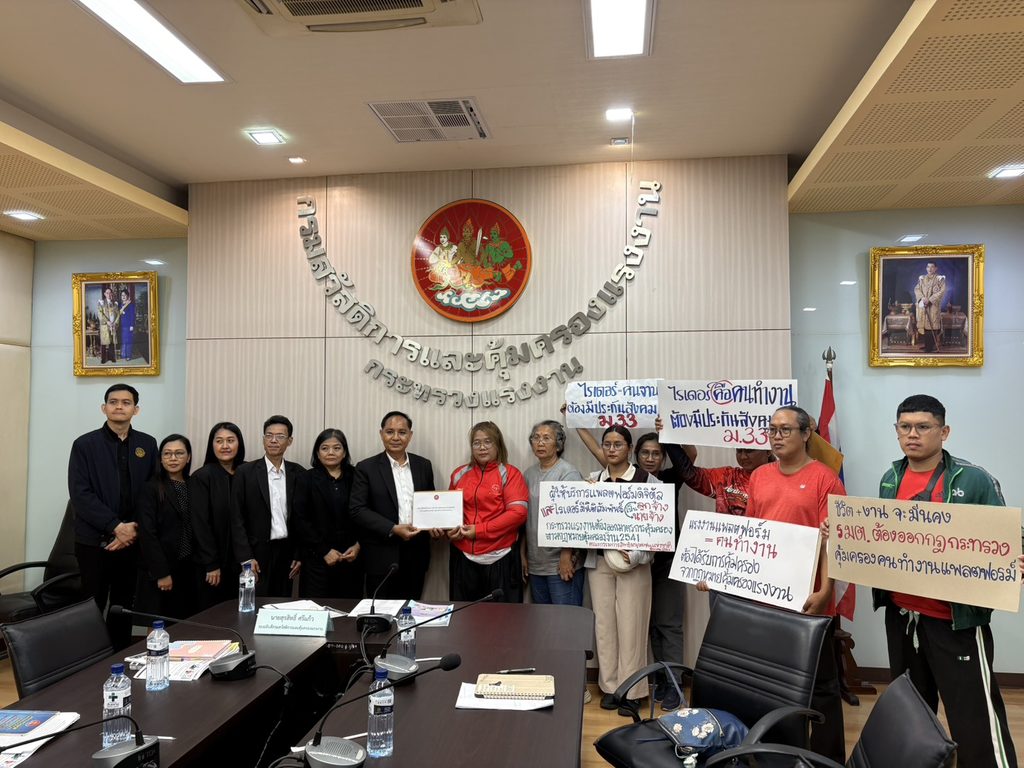
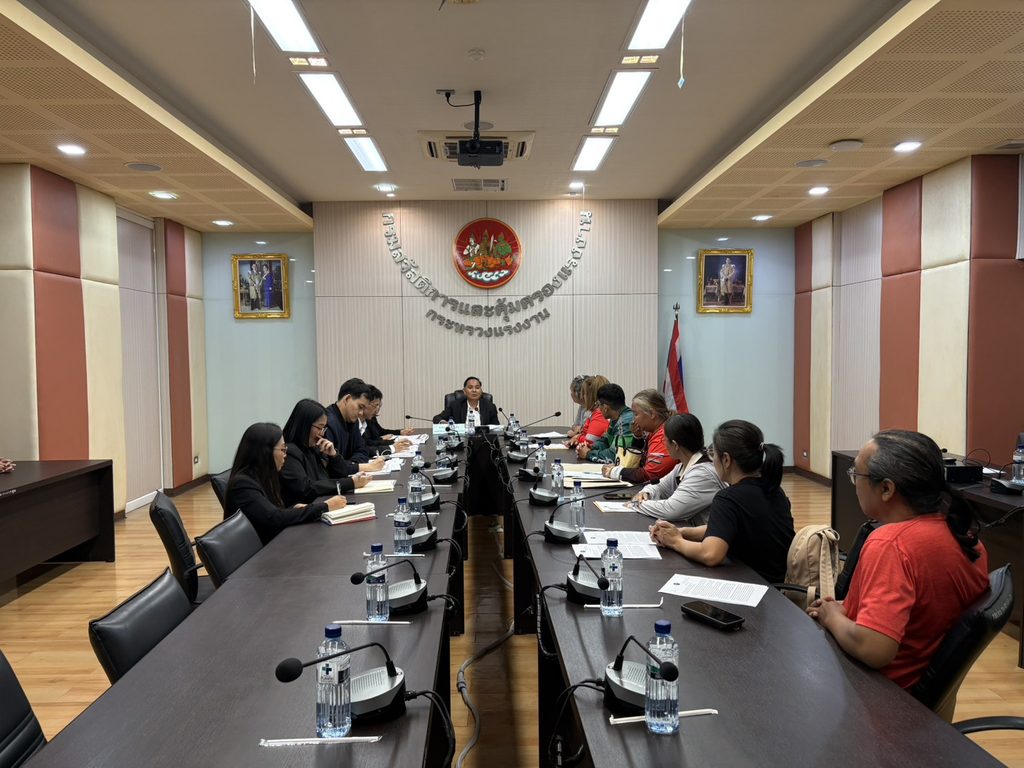
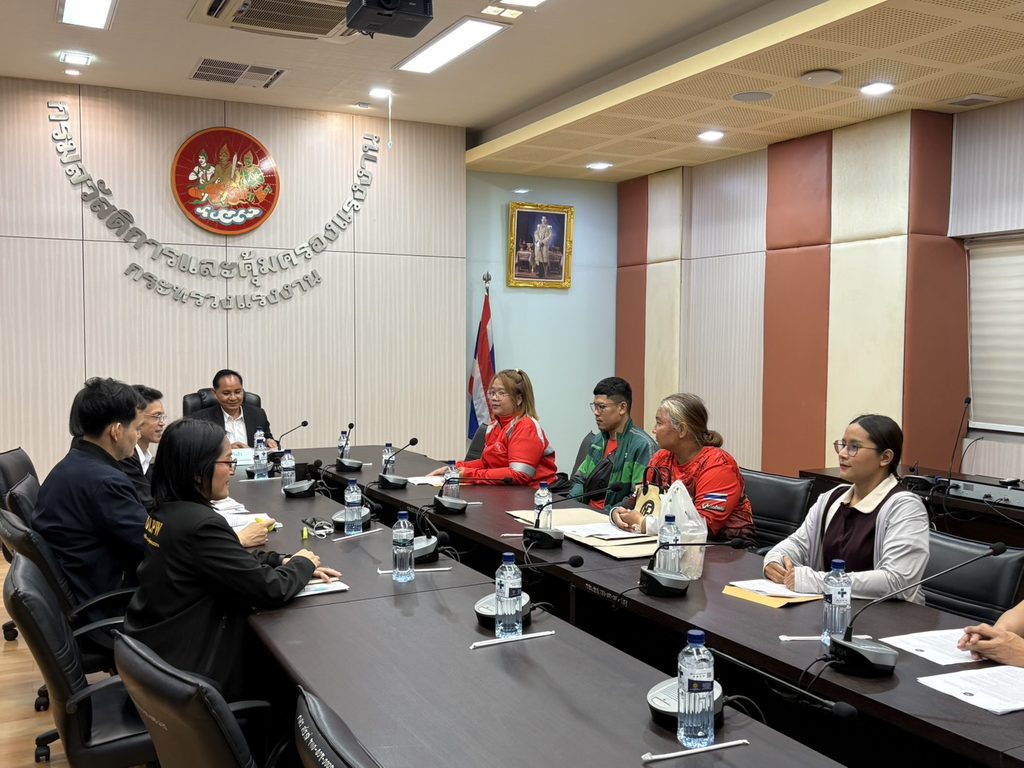
วันที่ 25 สิงหาคม 2569 สถาบันแรงงานและเศรษฐกิจที่เป็นธรรม (JELI) ร่วมเดินทางกับสหพันธ์คนทำงานแพลตฟอร์มประเทศไทย (PWOT) และเครือข่ายแรงงานแพลตฟอร์มไปยังกระทรวงแรงงาน เพื่อติดตามความคืบหน้าหลังจากเครือข่ายเคยเข้าพบและยื่นข้อเรียกร้องต่อนายจุลพันธ์ อมรวิวัฒน์ รัฐมนตรีว่าการกระทรวงแรงงานเมื่อวันที่ 18 พฤษภาคมที่ผ่านมา
หนึ่งในเรื่องสำคัญที่ติดตามคือคณะทำงานด้านแรงงานแพลตฟอร์ม ซึ่งรัฐมนตรีได้มีข้อสั่งการให้จัดตั้งขึ้นหลังการหารือในเดือนพฤษภาคม แต่จนถึงวันที่เข้าพบในครั้งนี้ เครือข่ายยังไม่ได้รับแจ้งถึงความคืบหน้าหรือกำหนดการประชุม
ในการเข้าพบวันที่ 25 สิงหาคม รัฐมนตรีไม่ได้เข้าร่วมด้วยตนเอง และมอบหมายให้นายสุรสิทธิ์ ศรีแก้ว รองอธิบดีกรมสวัสดิการและคุ้มครองแรงงาน เป็นผู้รับหนังสือและหารือกับเครือข่าย โดยกระทรวงแจ้งว่าคณะทำงานมีกำหนดประชุมในวันที่ 8 กันยายน 2569 ซึ่งในเบื้องต้นอาจเป็นการประชุมเพื่อกำหนดกรอบการทำงาน ก่อนจะมีการหารือในลักษณะไตรภาคีที่มีทั้งหน่วยงานรัฐ บริษัทแพลตฟอร์ม และตัวแทนคนทำงานแพลตฟอร์มเข้าร่วม ส่วนกำหนดการของการหารือดังกล่าวยังต้องรอการยืนยันอีกครั้ง
อีกประเด็นที่เครือข่ายติดตามคือสถานะและสิทธิของแรงงานแพลตฟอร์มภายใต้อนุสัญญา ILO ฉบับที่ 193 ว่าด้วยงานที่มีคุณค่าในเศรษฐกิจแพลตฟอร์ม ซึ่งรัฐบาลไทยลงคะแนนรับรองเมื่อเดือนมิถุนายนที่ผ่านมา กระทรวงระบุว่ารัฐมนตรีได้ตั้งคณะทำงานเพื่อศึกษารายละเอียดของอนุสัญญาและพิจารณาแนวทางนำมาตรฐานดังกล่าวมาปรับใช้ในประเทศไทย
จากนี้ ประเด็นที่ต้องติดตามต่อคือกำหนดการประชุมของคณะทำงานในรอบที่จะเปิดพื้นที่ให้ตัวแทนคนทำงานแพลตฟอร์มเข้าไปมีส่วนร่วม รวมถึงข้อเสนอจากคนทำงานจะถูกนำไปพิจารณาในกระบวนการกำหนดนโยบายมากน้อยเพียงใด และในลักษณะใด
ร่วมให้ความเห็นต่อการศึกษาความเชื่อมั่นในการใช้แพลตฟอร์มดิจิทัล
วันที่ 28 สิงหาคม 2569 สถาบันแรงงานและเศรษฐกิจที่เป็นธรรม (JELI) ได้รับเชิญจากสำนักงานพัฒนาธุรกรรมทางอิเล็กทรอนิกส์ (ETDA) ให้เข้าร่วมการประชุมกลุ่มย่อยเพื่อนำเสนอและรับฟังความคิดเห็นต่อผลการสำรวจภายใต้โครงการวิจัยระดับความเชื่อมั่นของการใช้แพลตฟอร์มดิจิทัล ซึ่งครอบคลุมผู้ใช้แพลตฟอร์มหลายกลุ่ม รวมถึงคนทำงานผ่านแพลตฟอร์ม เช่น ไรเดอร์ในบริการ ride-sharing และ labour-sharing
เนื่องจากโครงการยังอยู่ระหว่างดำเนินงาน ผลการศึกษายังเป็นข้อมูลที่ไม่สามารถเปิดเผยได้ในขณะนี้ อย่างไรก็ตาม ในการประชุม JELI ได้ให้ข้อสังเกตจากการทำงานกับคนทำงานแพลตฟอร์มในประเด็นที่เกี่ยวข้องกับคุณภาพการให้บริการของแพลตฟอร์ม โดยเฉพาะช่องทางช่วยเหลือเมื่อคนทำงานประสบปัญหา ปัจจุบันหลายแพลตฟอร์มยังพึ่งพาระบบตอบกลับอัตโนมัติหรือแชตบอตเป็นหลัก ทำให้ในบางกรณีคนทำงานไม่สามารถเข้าถึงเจ้าหน้าที่ที่สามารถช่วยแก้ปัญหาได้โดยตรงและทันท่วงที แม้เป็นเหตุร้ายแรง เช่น การถูกทำร้ายร่างกายหรือการล่วงละเมิดทางเพศ คนทำงานจำนานมากยังต้องพยายามหาช่องทางติดต่ออื่นด้วยตนเองกว่าจะเข้าถึงผู้ที่สามารถให้ความช่วยเหลือได้
JELI ยังให้ข้อคิดเห็นในประเด็นการประเมินความคุ้มค่าของการใช้แพลตฟอร์ม ซึ่งในมุมของคนทำงาน ความคุ้มค่าก็คือรายได้หรือค่ารอบที่ได้รับจากแต่ละงาน ซึ่งลดลงอย่างต่อเนื่องมาเป็นเวลาหลายปีและไม่สัมพันธ์กับภาระต้นทุนหลายด้านที่ต้องรับผิดชอบด้วยตนเอง เช่น ค่าน้ำมัน ค่าบำรุงรักษารถ เวลารอที่ไม่ได้รับค่าตอบแทน ตลอดจนความเสี่ยงด้านความปลอดภัยระหว่างการทำงาน ปัจจัยเหล่านี้ล้วนมีผลต่อการประเมินว่าการทำงานผ่านแพลตฟอร์มให้คุณค่าและความคุ้มค่ากับคนทำงานแค่ไหนอย่างไร
สำหรับผลการศึกษาและข้อเสนอจากโครงการ ยังต้องติดตามการเผยแพร่จาก ETDA ซึ่งหากมีรายงานฉบับสาธารณะ JELI จะนำมาแบ่งปันต่อไป
ชวนอ่าน
- Deliveroo ขึ้นค่าตอบแทนไรเดอร์ หลังถูกสอบสวนเรื่องการเอาเปรียบแรงงาน
Deliveroo ในอิตาลีปรับค่าตอบแทนขั้นต่ำของไรเดอร์ขึ้น 40% จาก 10 ยูโร เป็น 14 ยูโรต่อชั่วโมง หลังอัยการเมืองมิลานสอบสวนกรณีการเอาเปรียบแรงงาน โดยยังมีข้อกังวลเรื่องเวลาทำงานที่ไม่ได้รับค่าตอบแทนและการจัดสถานะไรเดอร์เป็นผู้ประกอบอาชีพอิสระ อ่านที่: Reuters
- ไรเดอร์ Swiggy ต้องตัดขาหลังประสบอุบัติเหตุระหว่างทำงาน
ไรเดอร์หญิงของแพลตฟอร์ม Swiggy ในอินเดีย ต้องตัดขาหลังเกิดภาวะแทรกซ้อนจากอุบัติเหตุบนท้องถนนระหว่างทำงานเมื่อปี 2566 โดยเธอระบุว่าบริษัทช่วยออกค่ารักษาในช่วงแรก แต่ไม่มีการช่วยเหลือต่อเนื่อง ทำให้เธอไม่สามารถกลับไปทำงานได้และต้องพึ่งความช่วยเหลือจากเพื่อนคนทำงานแพลตฟอร์ม อ่านที่: The Hindu
- คนทำงานในเกาหลีใต้เผชิญความเสี่ยงเพิ่มขึ้นจากอากาศร้อนจัด
คนงานก่อสร้าง พนักงานส่งของ และไรเดอร์ในเกาหลีใต้ต้องทำงานท่ามกลางอุณหภูมิที่บางพื้นที่ทำงานสูงกว่า 50 องศาเซลเซียส คนทำงานระบุว่าเส้นตาย โทษปรับ และการสูญเสียรายได้ ทำให้ยากต่อการหยุดพัก จนนำไปสู่ข้อเรียกร้องให้มีกฎหมายคุ้มครองและพื้นที่พักที่เข้าถึงได้มากขึ้น อ่านที่: The Korea Times
ประเด็นที่น่าสนใจ
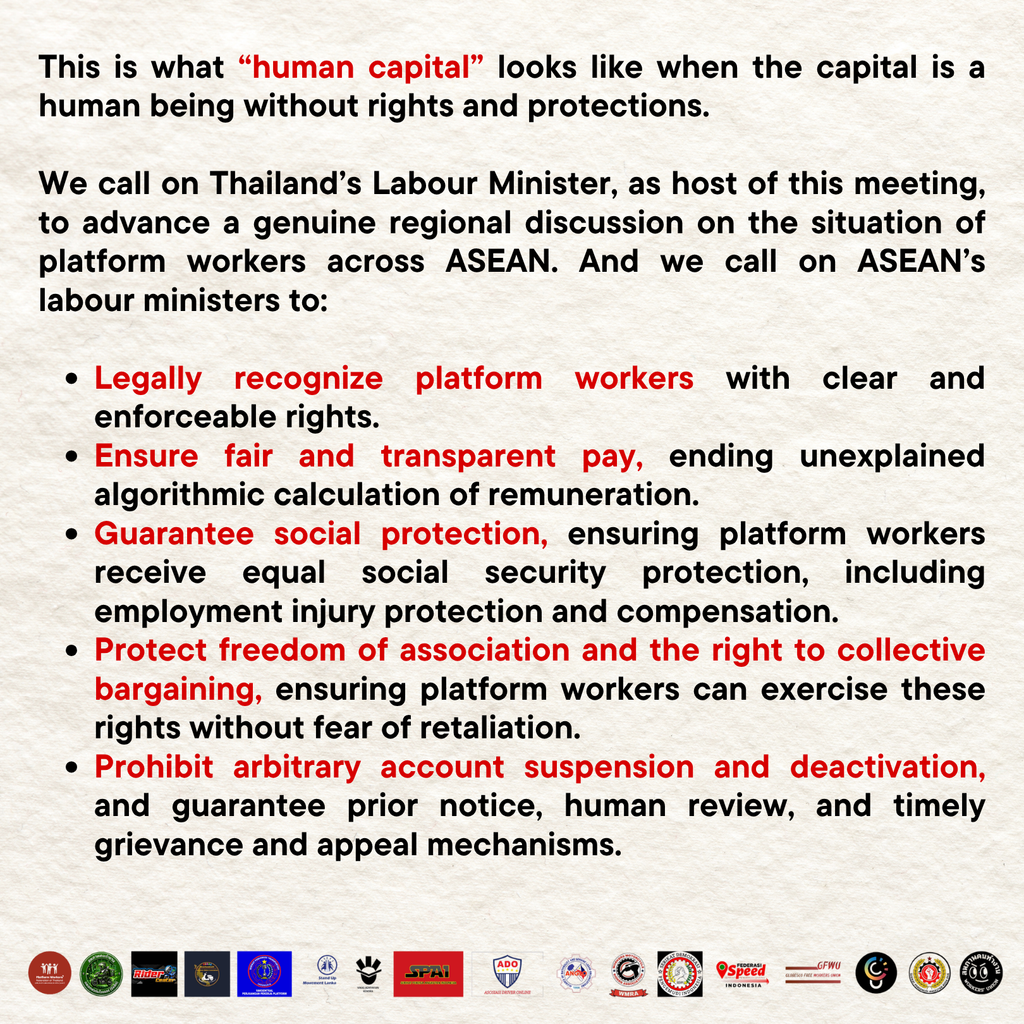
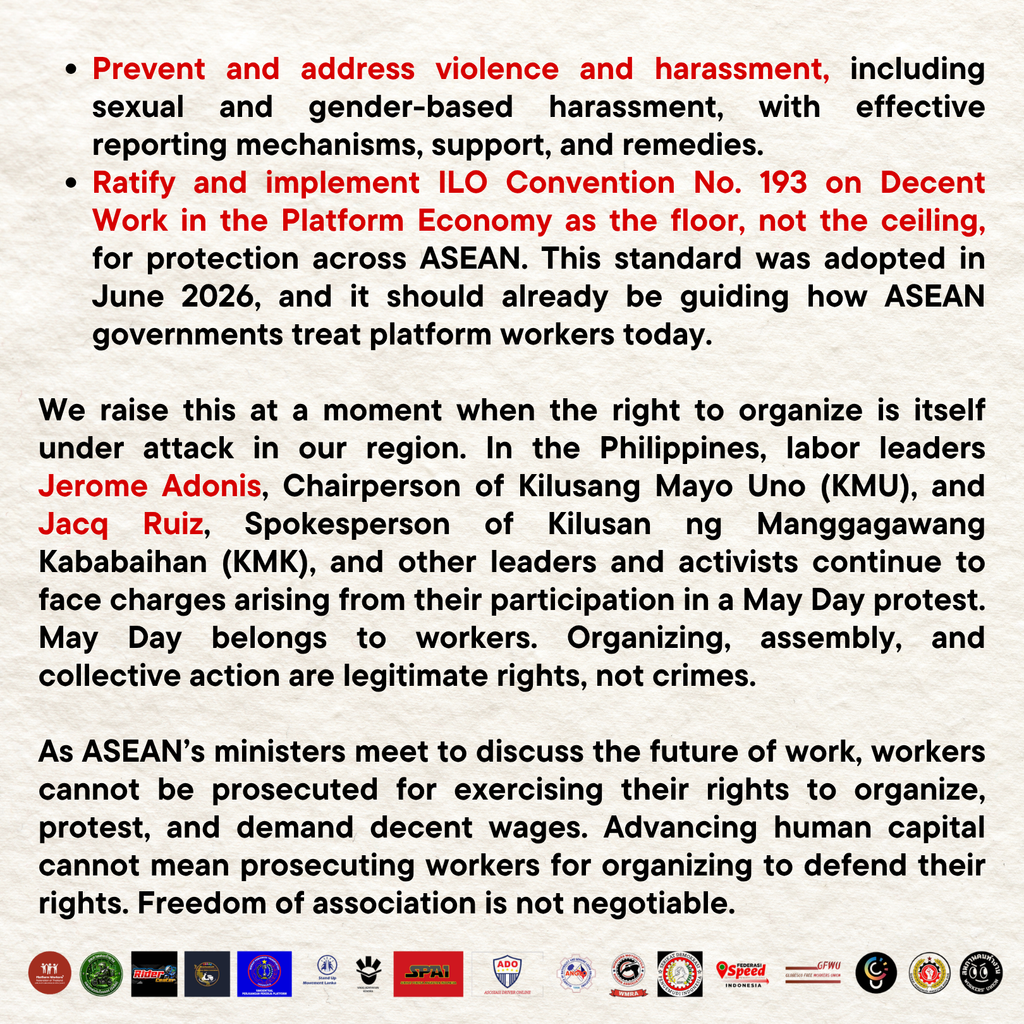
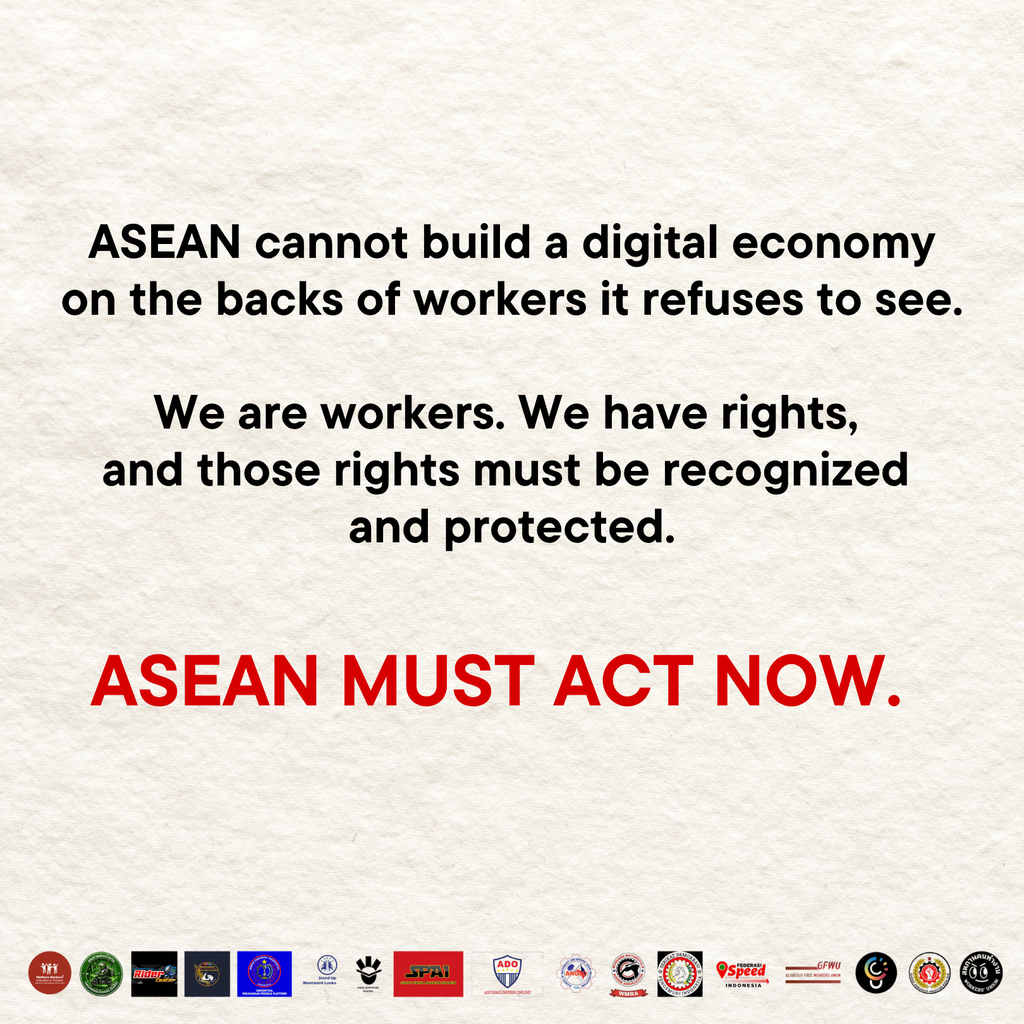
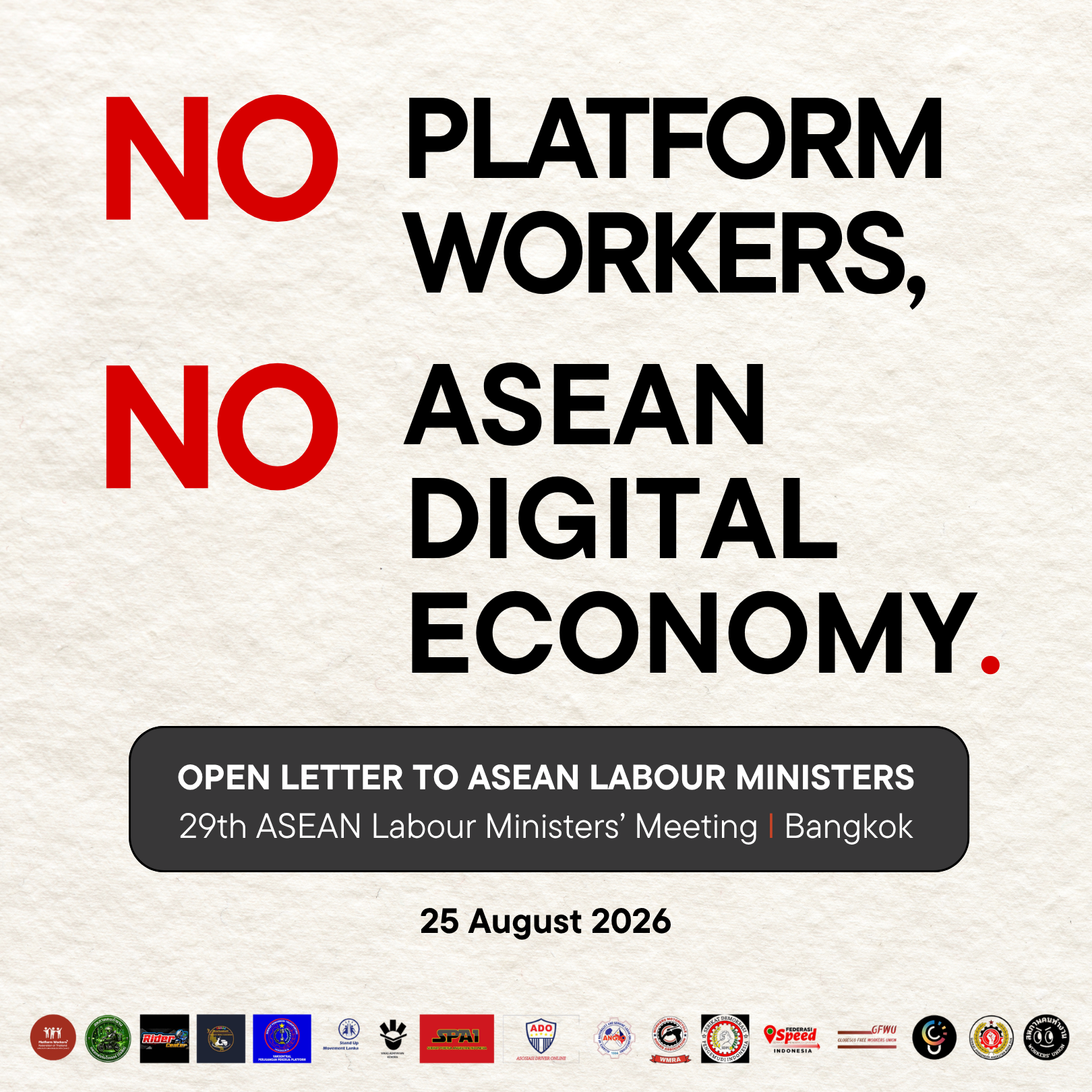
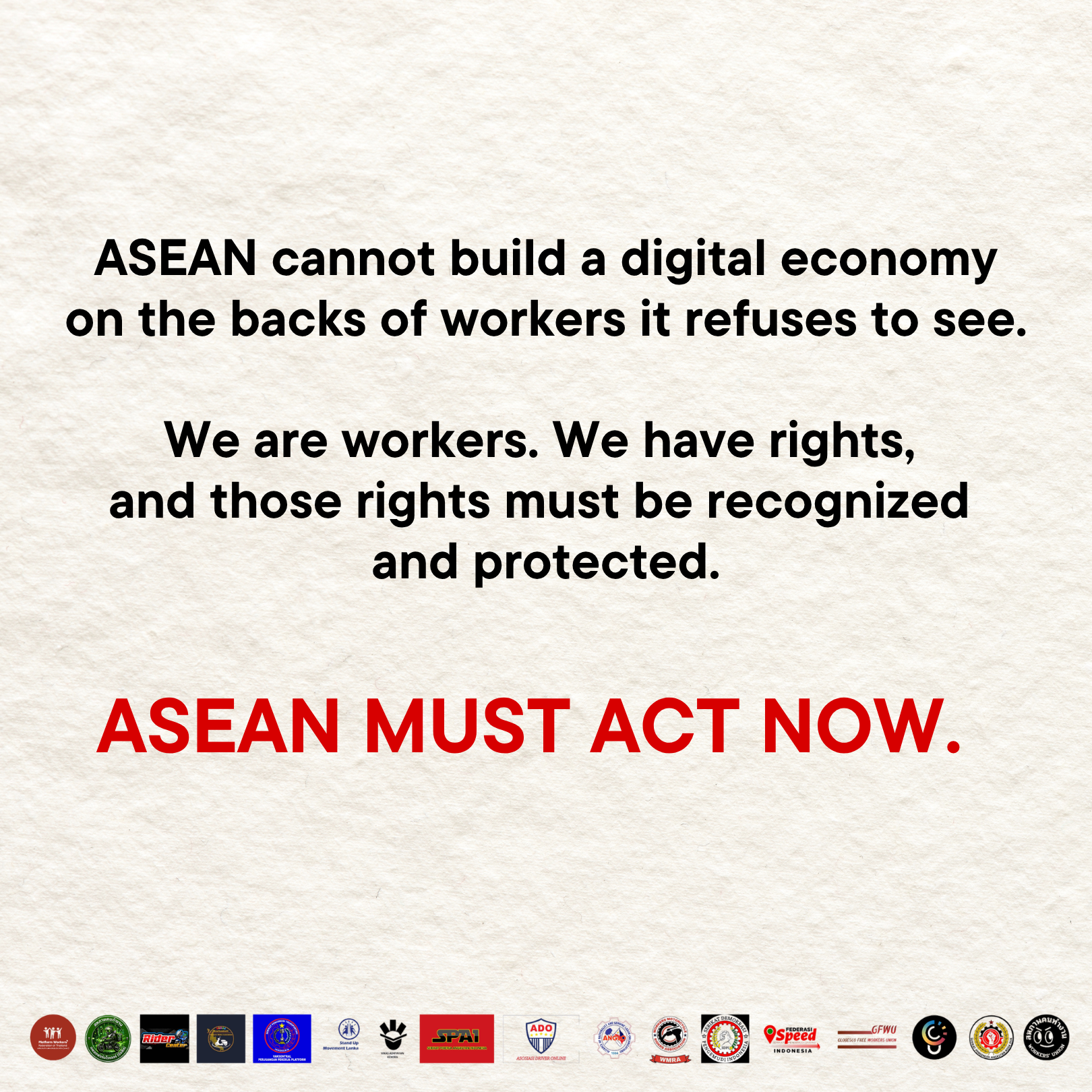
คนทำงานแพลตฟอร์มเรียกร้องให้ ASEAN เดินหน้าคุ้มครองสิทธิแรงงาน
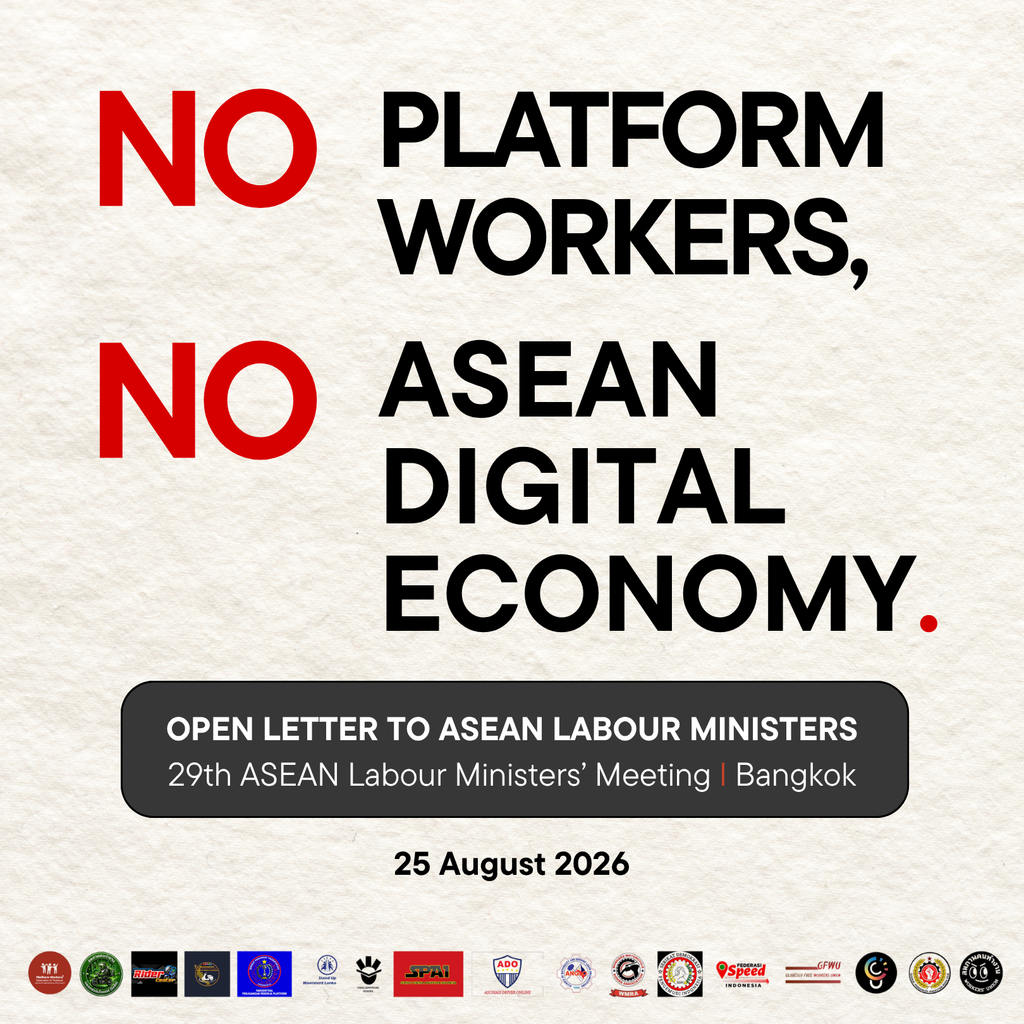
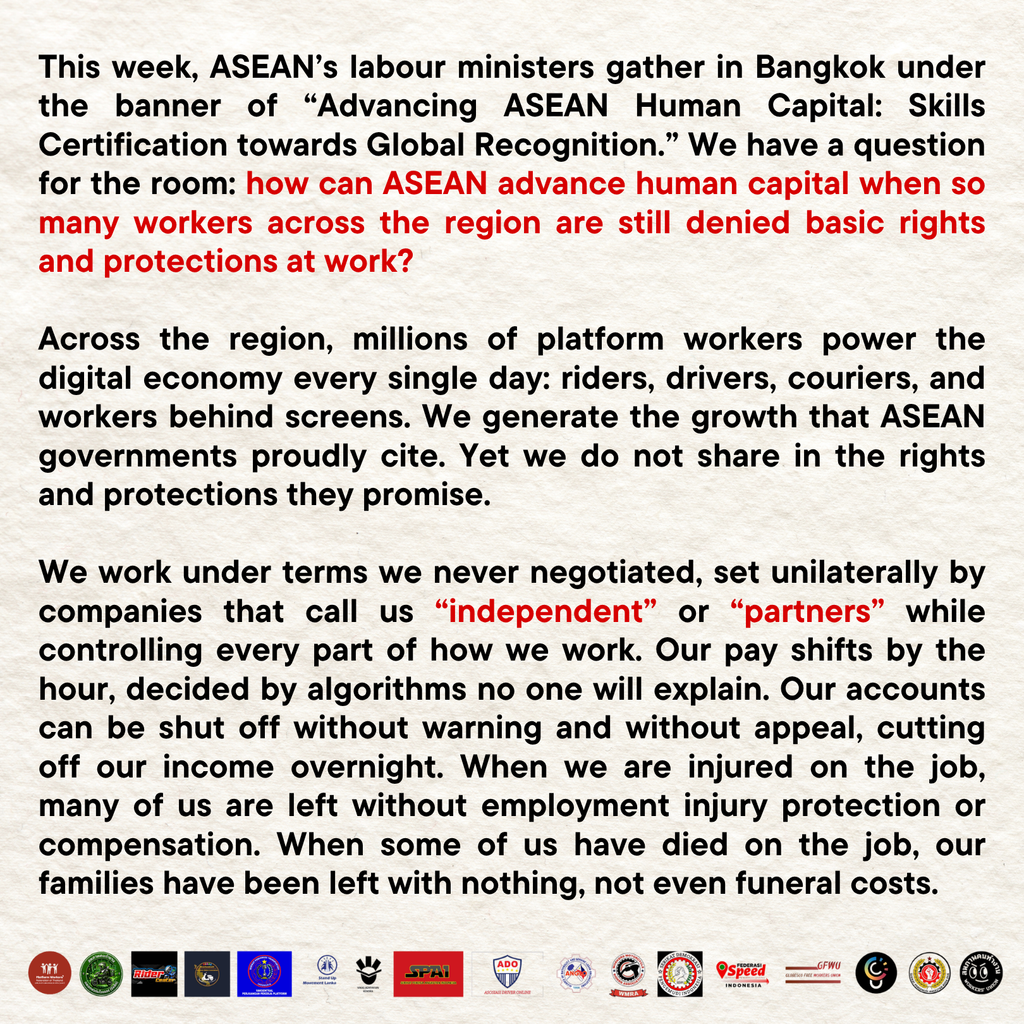
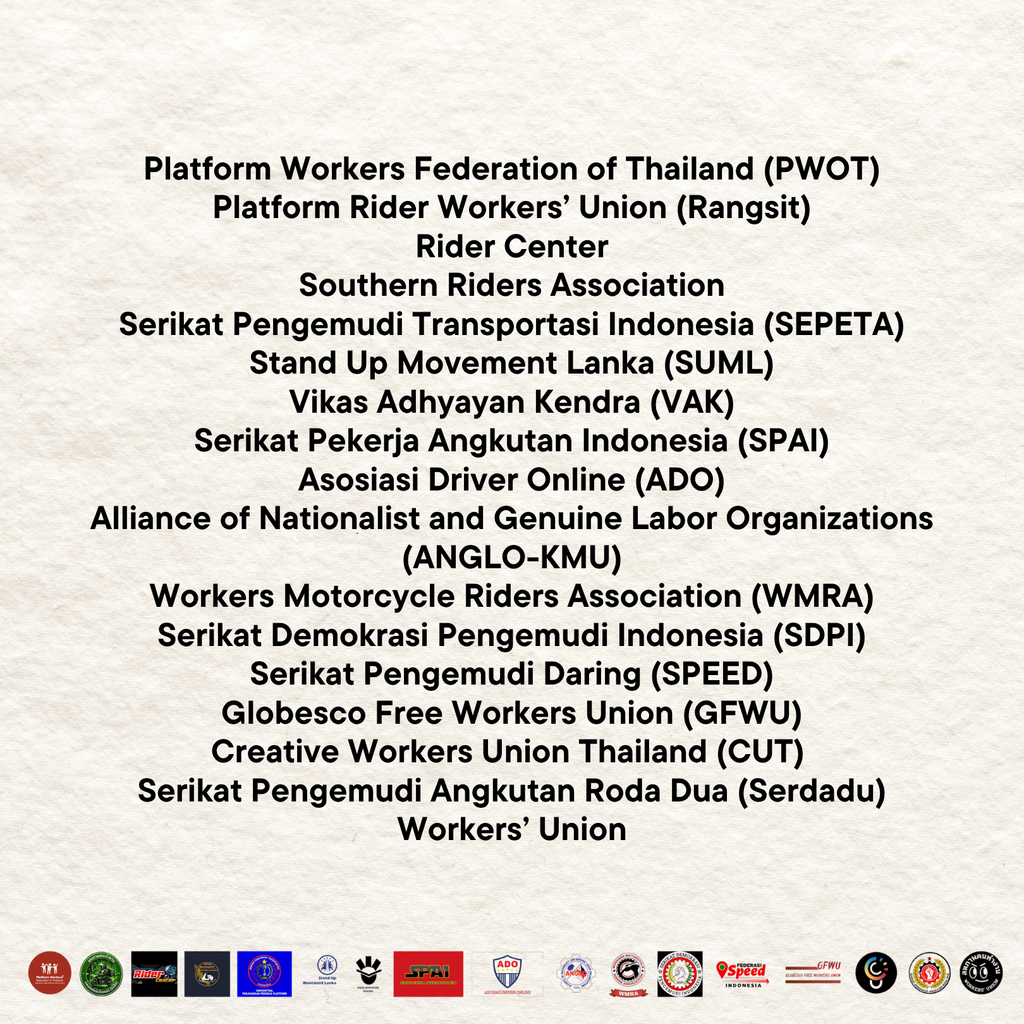
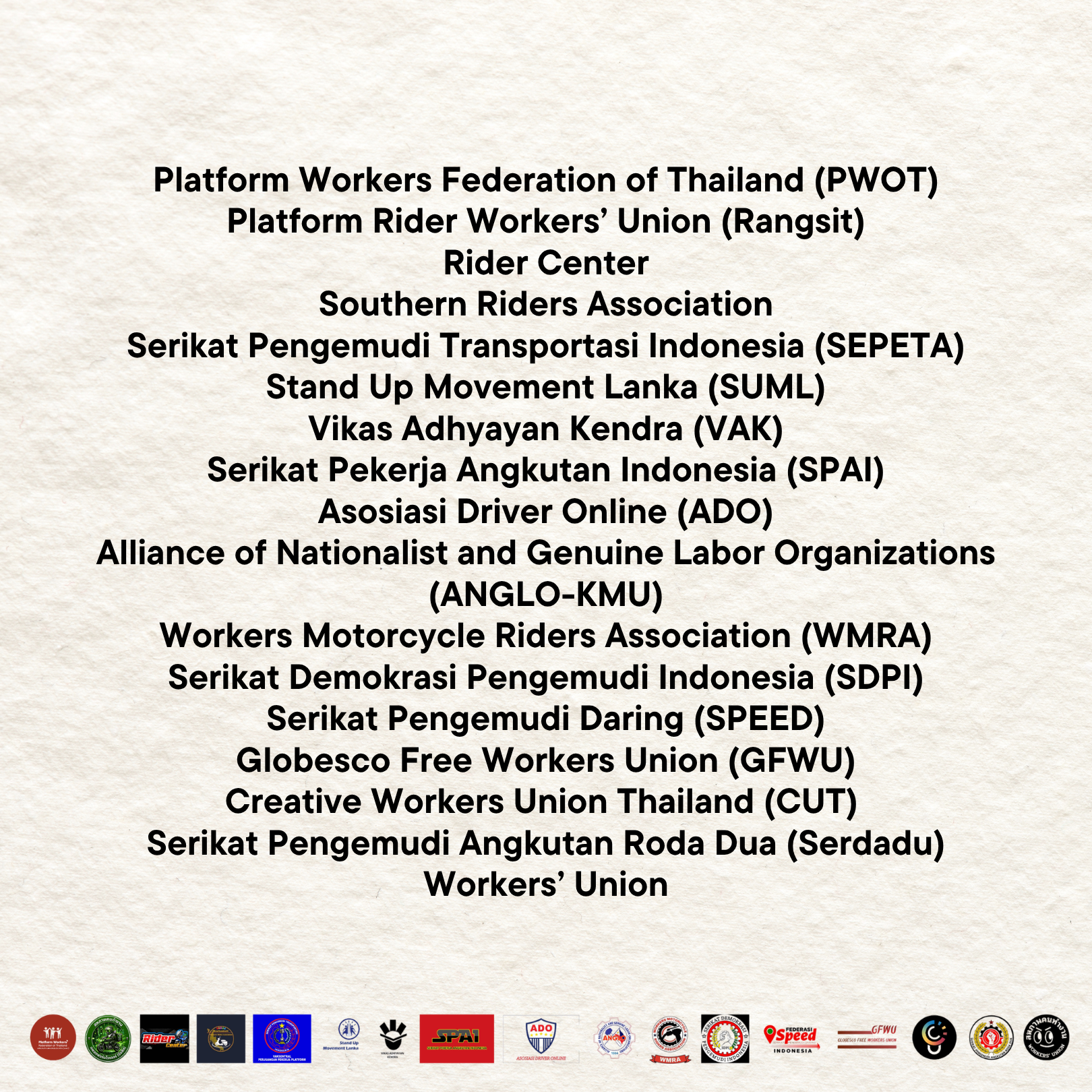
ในโอกาสการประชุมรัฐมนตรีแรงงานอาเซียน ครั้งที่ 29 ซึ่งไทยเป็นเจ้าภาพจัดขึ้นที่กรุงเทพฯ เมื่อวันที่ 23-28 สิงหาคม 2569 เครือข่ายคนทำงานแพลตฟอร์มในภูมิภาคอาเซียนรวมกว่า 17 องค์กร ได้เผยแพร่จดหมายเปิดผนึกถึงรัฐมนตรีแรงงานของประเทศสมาชิกอาเซียน เรียกร้องให้ปัญหาสิทธิและการคุ้มครองคนทำงานแพลตฟอร์มเป็นส่วนหนึ่งของการหารือระดับภูมิภาค
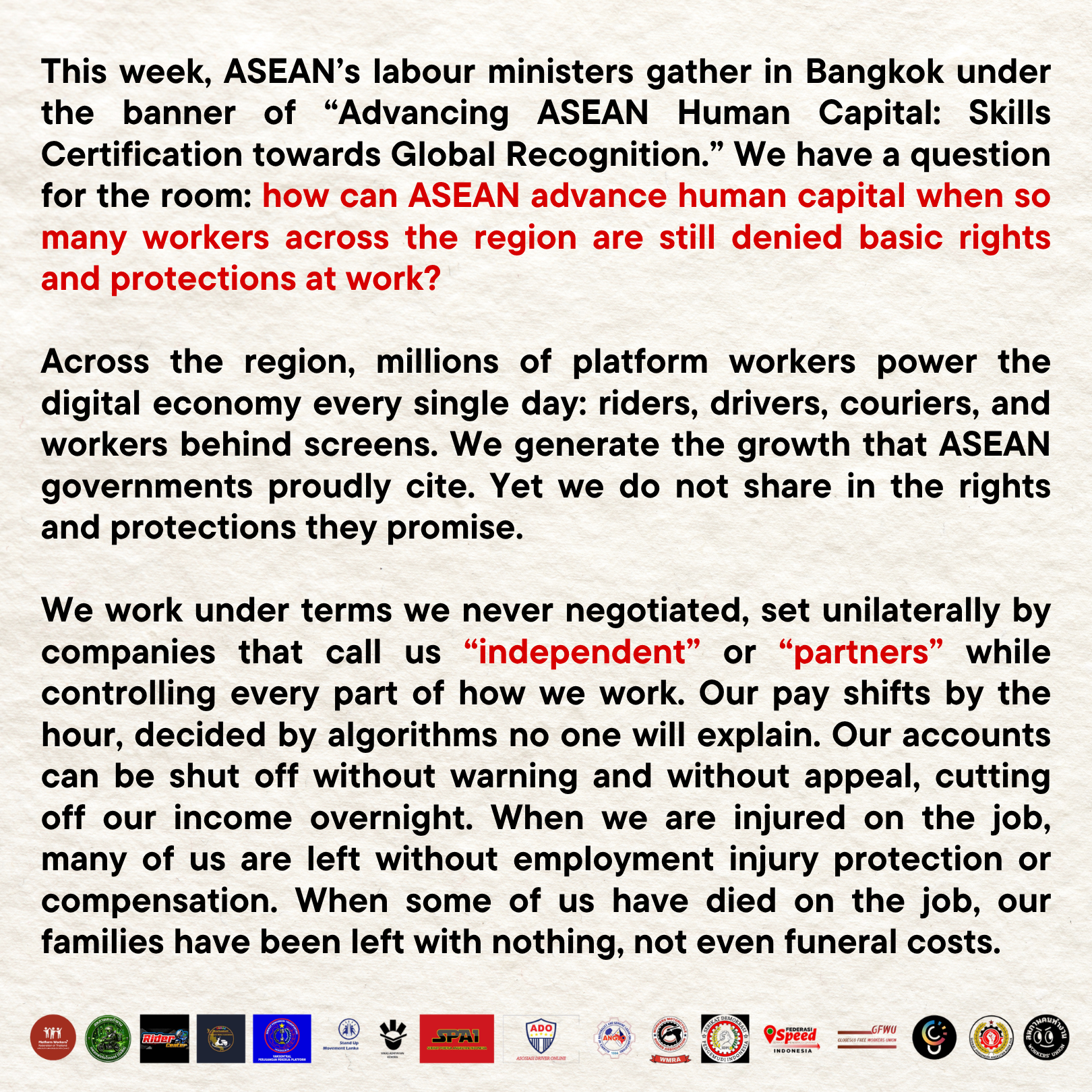
แม้งานแพลตฟอร์มจะกลายเป็นส่วนสำคัญของเศรษฐกิจดิจิทัลในหลายประเทศอาเซียน แต่คนทำงานจำนวนมากยังเผชิญปัญหาสถานะการจ้างที่ไม่ชัดเจน ค่าตอบแทนที่ถูกกำหนดผ่านระบบอัลกอริทึม การระงับหรือปิดบัญชีโดยไม่มีช่องทางอุทธรณ์ที่เป็นธรรม รวมถึงช่องว่างด้านประกันสังคม ความปลอดภัยในการทำงาน และสิทธิในการรวมตัวและเจรจาต่อรอง
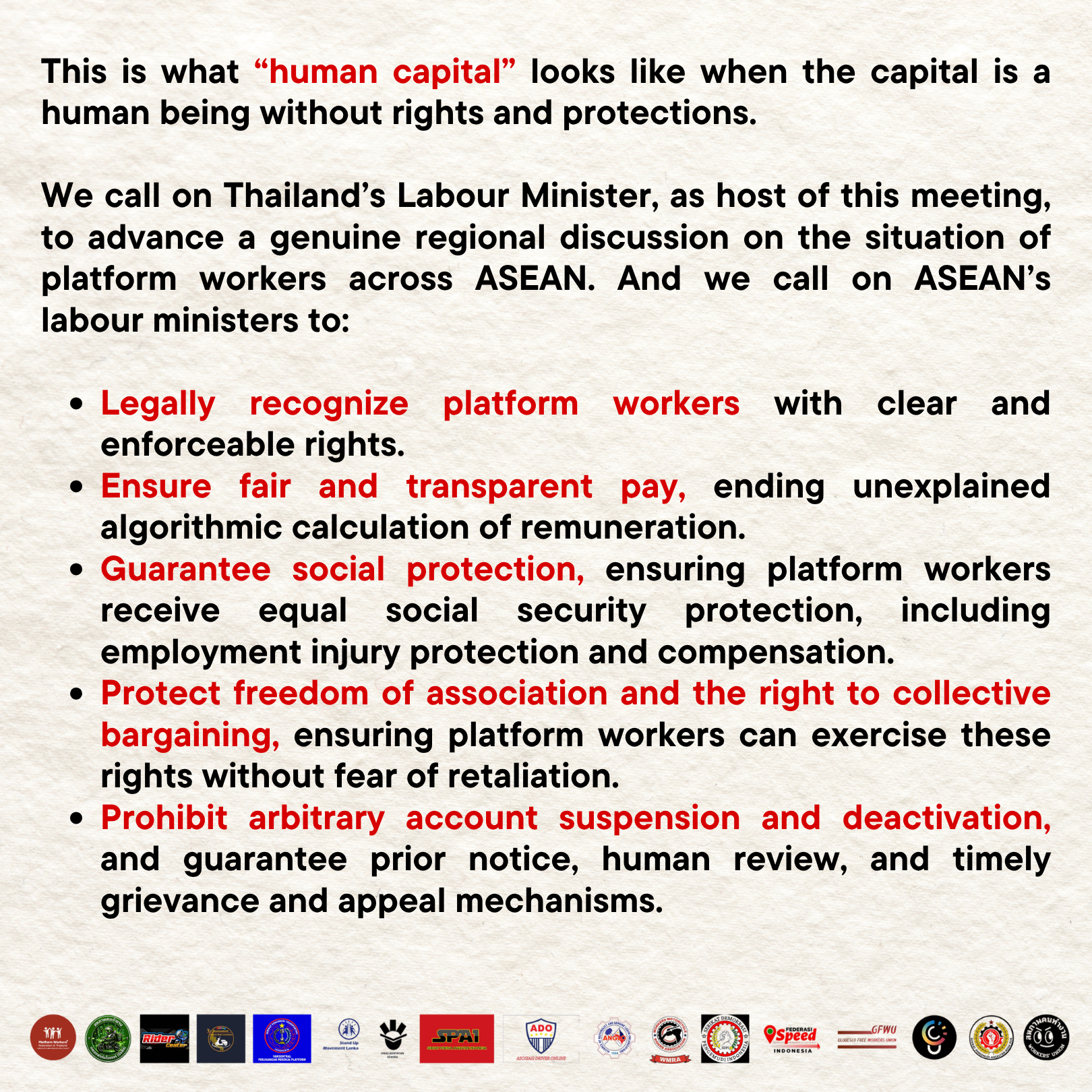
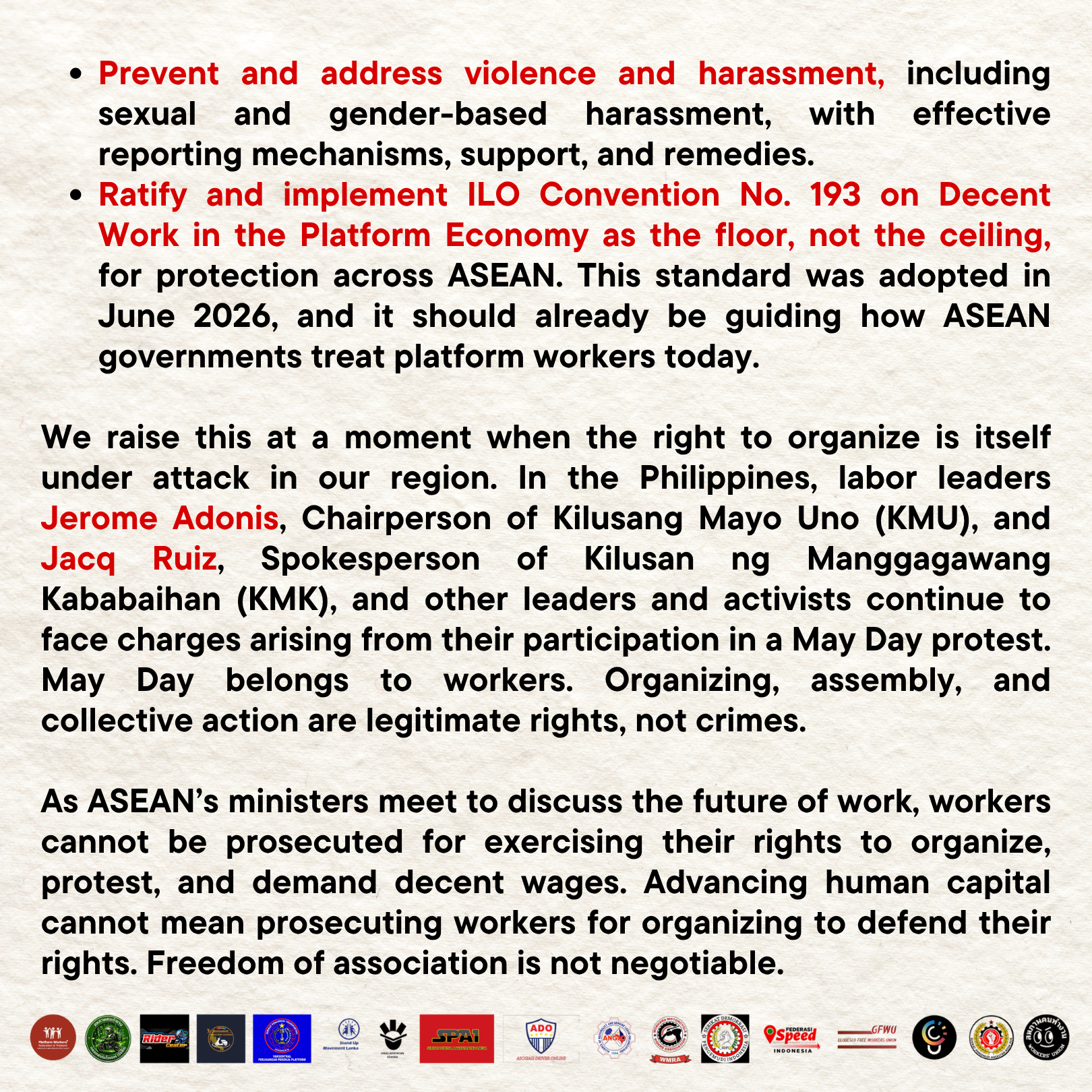
จดหมายฉบับนี้จึงเรียกร้องให้รัฐบาลอาเซียนรับรองสิทธิของคนทำงานแพลตฟอร์มอย่างชัดเจน และนำอนุสัญญา ILO ฉบับที่ 193 ว่าด้วยงานที่มีคุณค่าในเศรษฐกิจแพลตฟอร์มมาใช้เป็นมาตรฐานขั้นต่ำในการพัฒนากฎหมายและนโยบายของภูมิภาค
What Happened This Month
The Future of Protection for Independent and Platform Workers
On 18 August 2026, the Just Economy and Labor Institute (JELI) and the Platform Workers Federation of Thailand (PWOT) joined the seminar “Problems and the Future of Protection for Independent and Platform Workers,” organized by the Senate Committee on Labour in collaboration with Friedrich-Ebert-Stiftung Thailand and Thai PBS’s Voices Change Thailand.
The seminar brought together more than 300 participants from different sectors, including independent workers, platform workers, trade unionists, government agencies, academics, and platform companies. Participants exchanged views on current challenges and possible approaches to protecting workers amid changing forms of employment, while also sharing the problems they face in their work and their demands for policy changes that would ensure more equal and fair rights and protections across different forms of work.
Read more on Thai PBS: https://www.thaipbs.or.th/locals/contents/lx0wf0vhuqfce26mx86y0xbo-
From Proposals to Law: The Future of Platform Workers in Thailand
On 20 August 2026, the Just Economy and Labor Institute (JELI) and the Platform Workers Federation of Thailand (PWOT) joined a Social Dialogue titled “From Proposals to Law: The Future of Platform Workers in Thailand” at Century Park Hotel Bangkok. The event was organized by the Workers’ Union, Rider Center, and Friedrich-Ebert-Stiftung Thailand.
Representatives from five political parties, Pheu Thai, the People’s Party, the Democrat Party, Kla Tham Party, and Prachachat Party, presented their approaches and updates on draft legislation concerning the protection of platform workers. Kla Tham’s draft is currently the most advanced and has already been submitted to the Cabinet, while drafts from the other four parties are still being finalized.
However, concerns were raised that several parts of Kla Tham’s draft remain similar to the Ministry of Labour’s proposal, particularly its definition of workers, which still does not clearly establish employment status or the rights and protections platform workers would receive under labour law. Overall, representatives from all five parties agreed that platform workers should receive protections comparable to other workers and should be covered by the social security system.
In the afternoon, participants worked together to plan activities to advance rights and protections under the Labour Protection Act B.E. 2541 (1998). One key priority was to push the Minister of Labour to issue the ministerial regulation so that protections under the law can be extended to platform workers.
Following up on platform workers‘ demands at the Ministry of Labour
On 25 August 2026, the Just Economy and Labor Institute (JELI) joined the Platform Workers Federation of Thailand (PWOT) and other platform worker networks at the Ministry of Labour to follow up on the demands previously submitted to Labour Minister Julapun Amornvivat during a meeting on 18 May.
One of the key issues raised was the platform work task force that the Minister had instructed the Ministry to establish following the May meeting. As of 25 August, however, the networks had not received any update or information about when the task force would meet.
The Minister did not attend the 25 August meeting in person and instead assigned Surasit Srikaew, Deputy Director-General of the Department of Labour Protection and Welfare, to receive the letter and meet with the networks. The Ministry informed the group that the task force is scheduled to meet on 8 September 2026. This initial meeting may focus on setting out the framework for its work, to be followed by a tripartite discussion involving government agencies, platform companies, and representatives of platform workers. The date of that discussion has yet to be confirmed.
The networks also followed up on the status and rights of platform workers under ILO Convention No. 193 on Decent Work in the Platform Economy, which the Thai government voted in favour of in June. The Ministry said that the Minister has established another working group to study the Convention and consider how its standards could be applied in Thailand.
The next issue to watch is when platform worker representatives will be able to participate directly in the task force process, and to what extent workers’ concerns and proposals will be taken into account in policy development.
Contributing to a study on Digital Platform Trust
On 28 August 2026, the Just Economy and Labor Institute (JELI) was invited by the Electronic Transactions Development Agency (ETDA) to join a focus group presenting and discussing findings from its research project on levels of trust in the use of digital platforms. The study covers different groups of platform users, including platform workers such as riders working in ride-sharing and labour-sharing services.
As the project is still ongoing, its findings cannot yet be publicly disclosed. During the meeting, however, JELI shared observations from its work with platform workers, particularly on the quality of support provided when workers encounter problems. Many platforms still rely heavily on automated responses or chatbots, which can prevent workers from reaching a human agent who can respond directly and promptly. Even in serious cases, including physical assault or sexual harassment, many workers have had to search for alternative contact channels themselves before reaching someone able to assist.
JELI also commented on how the value of platform work should be assessed from workers’ perspectives. For workers, this is closely tied to the income or delivery fees they receive for each job, which have continued to decline over several years while workers remain responsible for their own costs, including fuel, vehicle maintenance, unpaid waiting time, and safety risks while working. These factors all shape whether platform work actually provides adequate value and returns for the workers doing it.
The study is expected to be published by ETDA at a later stage. If a public report becomes available, JELI will share it through our channels.
In Case You Missed It
- Italy: Deliveroo raises rider pay after labour exploitation probe
Deliveroo’s Italian unit will raise minimum rider pay by 40%, from €10 to €14 per hour, following an investigation by Milan prosecutors into alleged labour exploitation. Prosecutors have also raised concerns over unpaid working time and the classification of riders as self-employed. Read at: Reuters
- India: Swiggy worker loses leg after work accident
A Swiggy delivery worker had her leg amputated after complications from a 2023 road accident while working. She says the company covered her initial treatment but provided no continued medical support, leaving her unable to work and dependent on help from fellow gig workers. Read at: The Hindu
- South Korea: Workers face growing risks from extreme heat
Construction workers, delivery drivers and riders in South Korea are working in temperatures reaching over 50°C in some workplaces. Workers say tight deadlines, penalties and lost income make it difficult to take breaks, prompting calls for stronger legal protections and accessible rest areas. Read at: The Korea Times
In Focus
Platform workers call on ASEAN to advance labour protection
During the 29th ASEAN Labour Ministers Meeting (ALMM) held in Bangkok in August, a regional network of platform workers issued an open letter to labour ministers across ASEAN, calling for platform workers’ rights and protections to be addressed at the regional level.
As platform work becomes a growing part of the digital economy, many workers still face unclear employment status, algorithmically determined pay, account suspension or deactivation without fair appeal, and gaps in social protection, occupational safety and health, freedom of association, and collective bargaining.
The open letter calls on ASEAN governments to ensure clear and enforceable rights for platform workers, and to use ILO Convention No. 193 on Decent Work in the Platform Economy as a floor for labour protection across the region.
View the original post HERE.
Thank you for reading along with us. We’ll keep sharing what’s ahead in the next edition!