(See English version below.)
งานของเรา
ระดมสมองชุมชนนโยบายเพื่อการปฏิรูประบบประกันสังคมของประเทศไทย
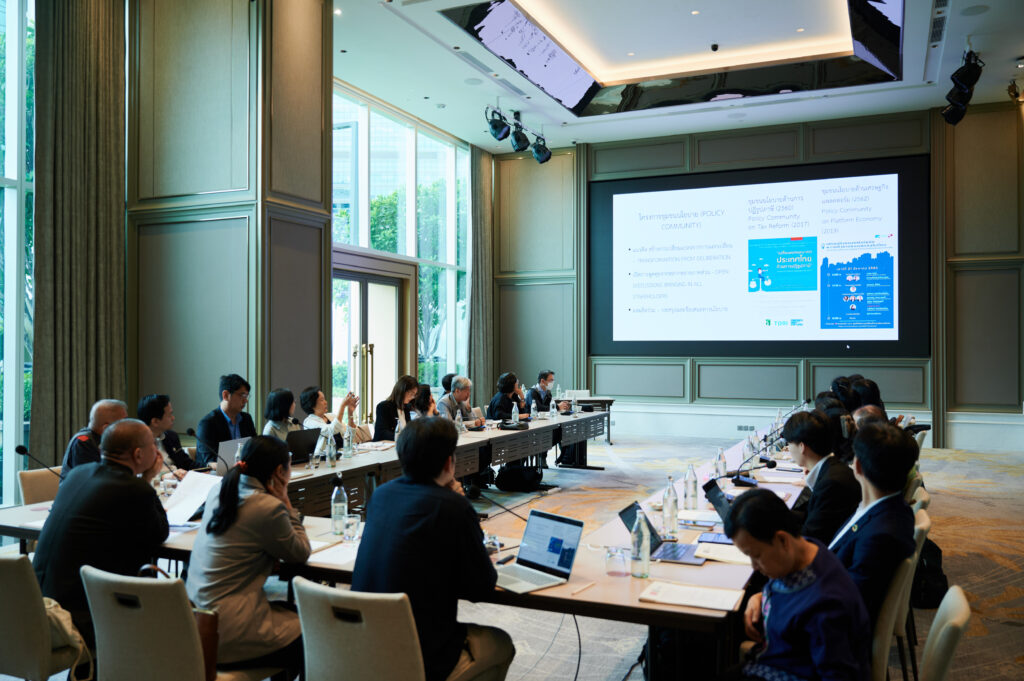
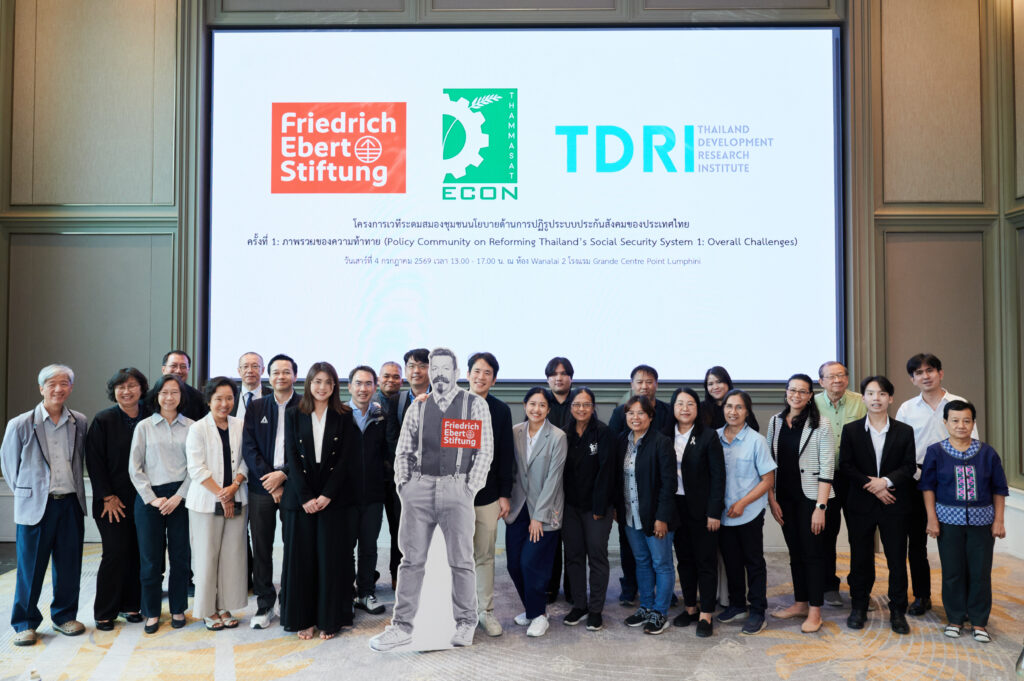
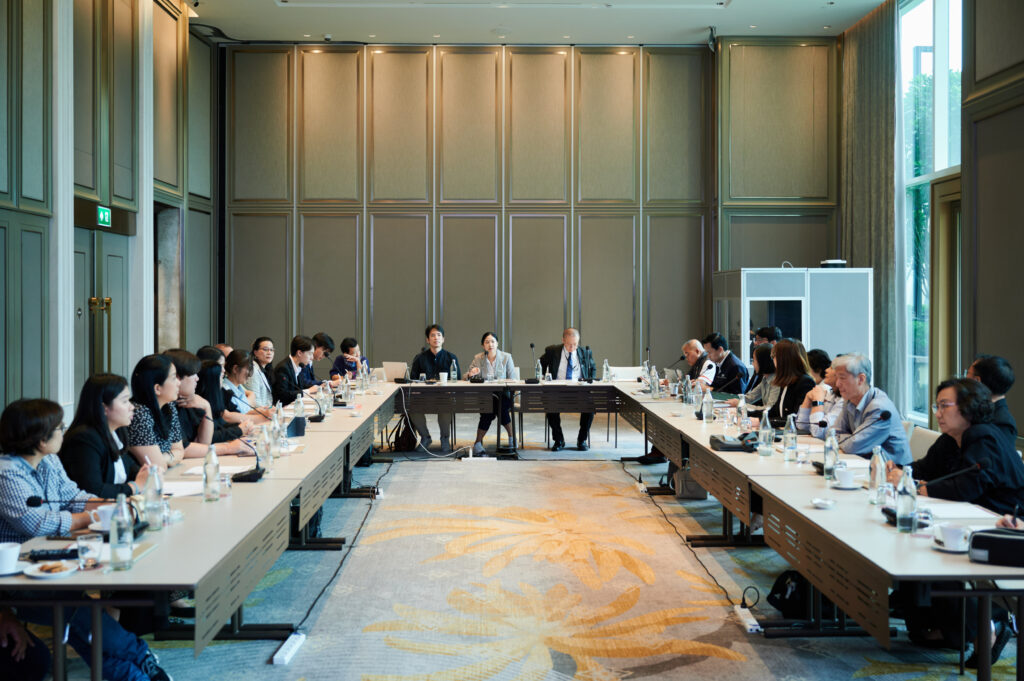
วันที่ 4 กรกฎาคม 2569 สถาบันแรงงานและเศรษฐกิจที่เป็นธรรม (JELI) เข้าร่วมการประชุมระดมสมองภายใต้ “โครงการเวทีระดมสมองชุมชนนโยบายเพื่อการปฏิรูประบบประกันสังคมของประเทศไทย ครั้งที่ 1: ภาพรวมของความท้าทาย” (Policy Community on Reforming Thailand’s Social Security System 1: Overall Challenges) จัดโดยมูลนิธิฟรีดริค เอแบร์ท ประเทศไทย (FES Thailand) ร่วมกับสถาบันวิจัยเพื่อการพัฒนาประเทศไทย (TDRI) และคณะเศรษฐศาสตร์ มหาวิทยาลัยธรรมศาสตร์
การประชุมครั้งนี้มีผู้แทนจากภาควิชาการ ภาคประชาสังคม ภาครัฐ และผู้มีส่วนเกี่ยวข้องเข้าร่วมแลกเปลี่ยนมุมมองต่อความท้าทายของระบบประกันสังคมไทยในปัจจุบัน ทั้งประเด็นความเชื่อมั่นของผู้ประกันตน ความโปร่งใสในการบริหารกองทุน ความเหมาะสมของสิทธิประโยชน์ ตลอดจนการที่แรงงานบางกลุ่ม เช่น แรงงานแพลตฟอร์ม แรงงานนอกระบบ และแรงงานข้ามชาติ ยังเข้าไม่ถึงความคุ้มครองอย่างทั่วถึง ซึ่งวงสนทนาได้ร่วมกันหารือถึงแนวทางในการรับมือกับความท้าทายเหล่านี้ เพื่อมุ่งสู่การปฏิรูประบบประกันสังคมที่มีความยั่งยืน
การประชุมครั้งนี้เป็นครั้งแรกของชุดการประชุมภายใต้โครงการดังกล่าว ซึ่งจะมีการหยิบยกประเด็นเฉพาะด้านมาหารืออย่างต่อเนื่อง โดยหัวข้อครั้งต่อไปจะมุ่งเน้นการขยายความครอบคลุมของระบบประกันสังคม โดยเฉพาะสำหรับแรงงานนอกระบบ
แรงงานแพลตฟอร์มเอเชียร่วมสร้างเครือข่าย
ผลักดันสิทธิแรงงานและการคุ้มครองคนทำงานแพลตฟอร์ม
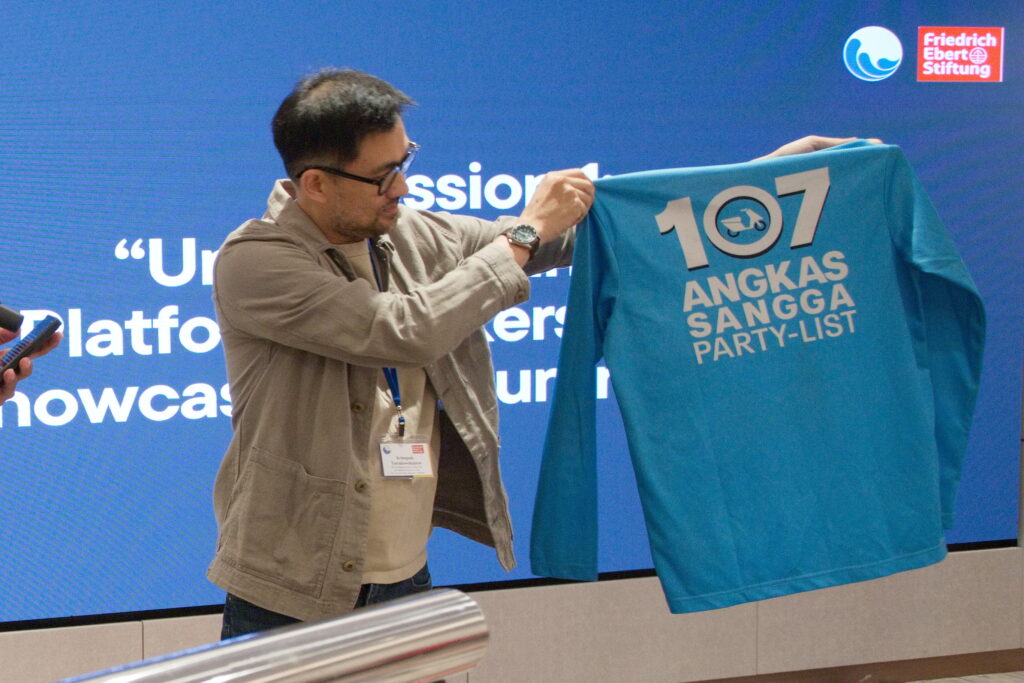
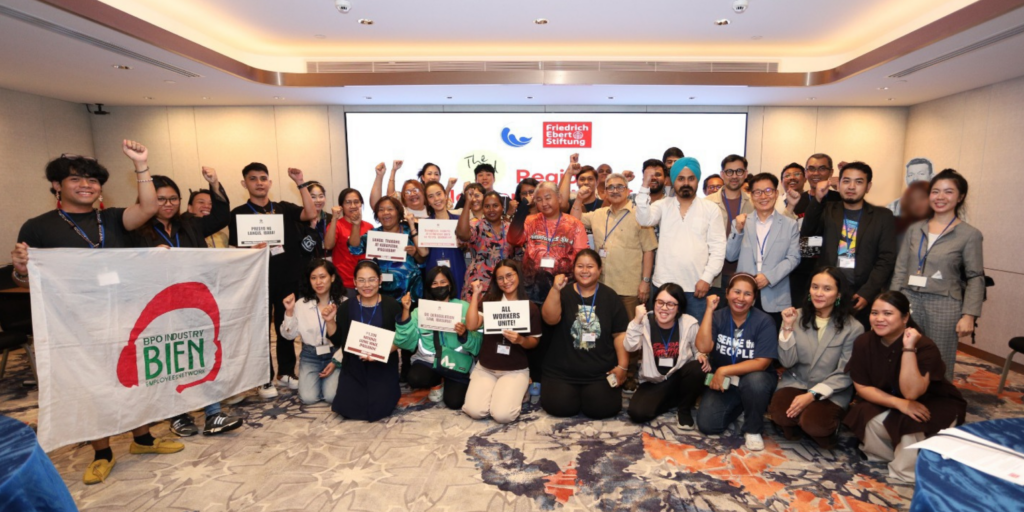
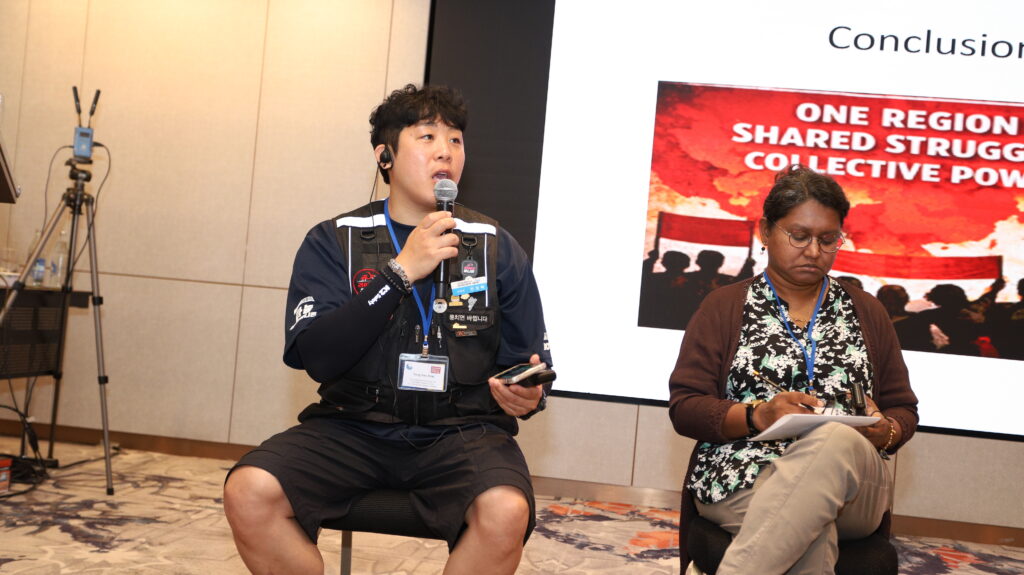
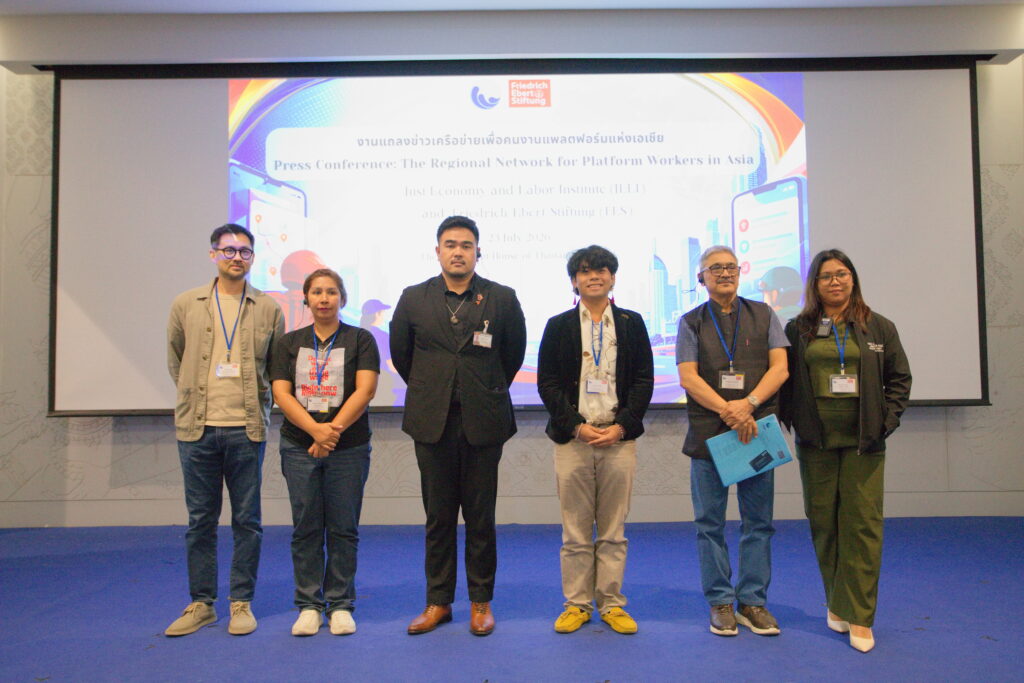
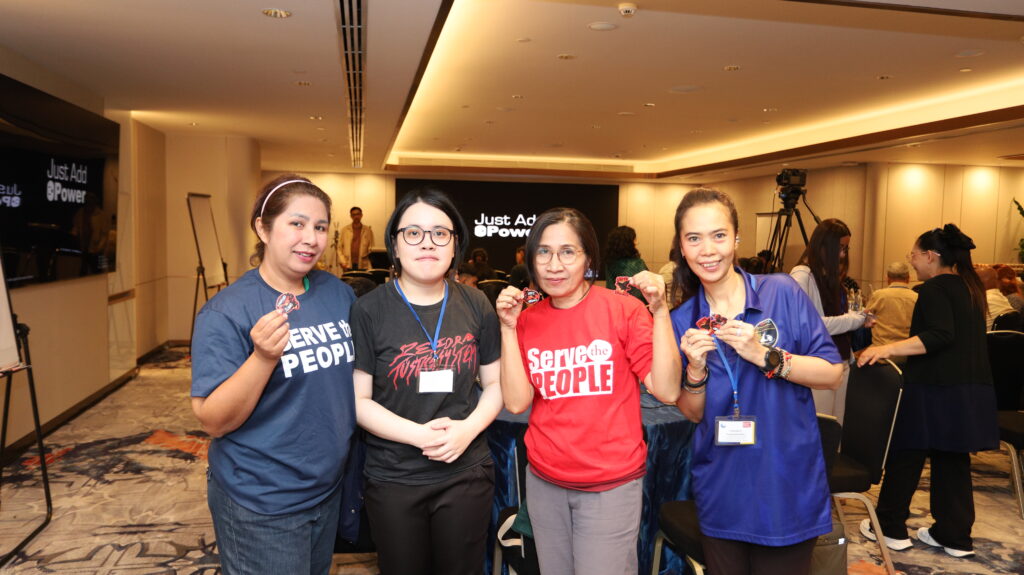
23-25 กรกฎาคม 2569 สถาบันแรงงานและเศรษฐกิจที่เป็นธรรม (JELI) ร่วมกับมูลนิธิฟรีดริค เอแบร์ท ประเทศไทย (FES Thailand) จัดกิจกรรม “Regional Networking Visit for Platform Workers in Asia” ขึ้นเป็นครั้งที่ 2 ต่อเนื่องจากการพบกันครั้งแรกของเครือข่ายในระดับเอเชียตะวันออกเฉียงใต้เมื่อปี 2568 ที่ผ่านมา
ปีนี้เครือข่ายได้ขยายขึ้นสู่ระดับเอเชีย โดยมีตัวแทนแรงงานแพลตฟอร์มและแรงงานดิจิทัลกว่า 20 คน พร้อมด้วยตัวแทนองค์กรแรงงาน นักวิจัย นักกิจกรรมและนักสื่อสารด้านแรงงาน จากไทย เกาหลีใต้ มาเลเซีย สิงคโปร์ อินโดนีเซีย เวียดนาม อินเดีย และฟิลิปปินส์ มาร่วมแลกเปลี่ยนประสบการณ์ เสริมสร้างความร่วมมือ และกำหนดทิศทางการทำงานร่วมกันในอนาคต
ตลอดสามวัน ผู้เข้าร่วมได้แลกเปลี่ยนประสบการณ์การทำงานและแนวทางผลักดันสิทธิแรงงานแพลตฟอร์ม ความคืบหน้าของกฎหมายและนโยบายในแต่ละประเทศ รวมถึงความท้าทายที่แรงงานแพลตฟอร์มทั่วภูมิภาคกำลังเผชิญร่วมกัน ไม่ว่าจะเป็นการจัดประเภทสถานะการจ้างงานที่ไม่สอดคล้องกับลักษณะการทำงานจริง (misclassification) การเข้าถึงความคุ้มครองทางสังคม ความปลอดภัยในการทำงาน และการบริหารจัดการผ่านอัลกอริทึม
หนึ่งในกิจกรรมสำคัญคือการเข้าพบคณะกรรมาธิการการแรงงาน สภาผู้แทนราษฎร เพื่อแลกเปลี่ยนข้อเสนอแนะเชิงนโยบาย และการแถลงข่าวร่วมของเครือข่ายแรงงานแพลตฟอร์มแห่งเอเชีย ซึ่งเรียกร้องให้ยุติการใช้สถานะแบบ “ผู้รับจ้างอิสระ” เพื่อหลีกเลี่ยงความรับผิดชอบของแพลตฟอร์ม และผลักดันให้แรงงานแพลตฟอร์มได้รับการคุ้มครองตามสิทธิแรงงานอย่างเป็นธรรม
นอกจากการแลกเปลี่ยนเชิงนโยบาย ผู้เข้าร่วมยังได้สร้างความสัมพันธ์ระหว่างองค์กรแรงงานจากหลายประเทศ วางแนวทางความร่วมมือของเครือข่ายในระยะต่อไป และร่วมกันติดตามการผลักดันอนุสัญญา ILO ฉบับที่ 193 ว่าด้วยงานที่มีคุณค่าในเศรษฐกิจแพลตฟอร์ม เพื่อให้เกิดการคุ้มครองแรงงานแพลตฟอร์มอย่างเป็นรูปธรรมในแต่ละประเทศ
การพบกันเป็นครั้งที่ 2 นี้สะท้อนให้เห็นถึงการเติบโตของความร่วมมือจากระดับเอเชียตะวันออกเฉียงใต้สู่ระดับเอเชีย ถึงแม้แต่ละประเทศจะมีบริบทที่แตกต่างกัน แต่การแลกเปลี่ยนประสบการณ์และการทำงานร่วมกันจะช่วยสร้างความเข้มแข็งให้กับการขับเคลื่อนเศรษฐกิจแพลตฟอร์มที่เป็นธรรม ครอบคลุม และตั้งอยู่บนพื้นฐานของสิทธิ พร้อมทั้งตอกย้ำว่าการมีส่วนร่วมของแรงงานอย่างแท้จริงต้องเป็นหลักการสำคัญของการกำหนดกฎหมายและนโยบายในอนาคต
ชวนอ่าน
- แรงงานแพลตฟอร์มได้-ขาดอะไรจากอนุสัญญา ILO ฉบับที่ 193?
บทความจาก Asian Labour Review ชวนอ่านเนื้อหาฉบับสุดท้ายของอนุสัญญาว่าด้วยงานที่มีคุณค่าในเศรษฐกิจแพลตฟอร์มและผลที่จะมีต่อแรงงานแพลตฟอร์ม ถึงแม้จะเป็นมาตรฐานสำคัญระดับโลก แต่บทความชี้ให้เห็นว่า การคุ้มครองหลายประเด็นถูกลดทอนลงไประหว่างการเจรจา อ่านที่: Asian Labor Review
- ชีวิตจริงของไรเดอร์ในมาเลเซียบนท้องถนนที่ร้อนระอุ
ความเป็นจริงของไรเดอร์มาเลเซียที่ไม่ต่างจากไรเดอร์ไทย อากาศร้อนจัดกำลังทำให้งานแพลตฟอร์มอันตรายมากยิ่งขึ้น ไรเดอร์หลายคนมีอาการปวดหัว เวียนหัว อ่อนล้า แต่ไม่สามารถหยุดพักได้ เมื่อรายรับยังขึ้นอยู่กับการขับขี่รถวิ่งไปบนท้องถนน ดูที่: KiniTV
- ออสเตรเลียเดินหน้ามาตรฐานค่าแรงขั้นต่ำสำหรับไรเดอร์ส่งอาหาร
Fair Work Commission ประกาศเจตจำนงออกคำสั่งกำหนดอัตราค่าแรงขั้นต่ำของไรเดอร์ในออสเตรเลีย ครอบคลุมถึงความโปร่งใสเรื่องรายได้ การทำประกันภัย และสิทธิการมีตัวแทนสหภาพ อ่านที่: Mirage.News
ประเด็นที่น่าสนใจ
เมื่อวันที่ 23 กรกฎาคม 2569 ระหว่างการจัดกิจกรรม Regional Networking Visit for Platform Workers in Asia หนึ่งในกิจกรรมสำคัญคือการนำคณะผู้แทนแรงงานแพลตฟอร์มจากหลายประเทศในเอเชียเข้าพบคณะกรรมาธิการการแรงงาน สภาผู้แทนราษฎร เพื่อหารือถึงการรับรองสถานะทางกฎหมายและการคุ้มครองทางสังคมของแรงงานแพลตฟอร์ม
ประเด็นสำคัญของการหารือคือการที่แรงงานแพลตฟอร์มยังคงถูกจัดประเภทเป็น “ผู้รับจ้างอิสระ” ทั้งที่ลักษณะการทำงานอยู่ภายใต้การควบคุมของแพลตฟอร์ม ส่งผลให้คนทำงานจำนวนมากไม่สามารถเข้าถึงสิทธิแรงงานขั้นพื้นฐาน เช่น ค่าจ้างขั้นต่ำ ประกันสังคม สิทธิในการรวมตัวและเจรจาต่อรองร่วม รวมถึงการคุ้มครองด้านอาชีวอนามัยและความปลอดภัยในการทำงาน
ในโอกาสนี้ นอกจากการแลกเปลี่ยนข้อเสนอเชิงนโยบายแล้ว Karen Anne Gail Cariño จากเครือข่ายลูกจ้างอุตสาหกรรม BPO (BIEN) ประเทศฟิลิปปินส์ ยังได้เป็นผู้แทนกล่าวแถลงการณ์ร่วมในนาม เครือข่ายเพื่อคนงานแพลตฟอร์มแห่งเอเชีย ซึ่งมีสาระสำคัญดังต่อไปนี้
แถลงการณ์เครือข่ายเพื่อคนงานแพลตฟอร์มแห่งเอเชีย
“ยุติการจัดประเภทแรงงานแพลตฟอร์มอย่างไม่เป็นธรรม
และผลักดันการคุ้มครองตามอนุสัญญา ILO ว่าด้วยงานแพลตฟอร์ม“
23 กรกฎาคม 2569
กรุงเทพมหานคร ประเทศไทย
พวกเรา เครือข่ายเพื่อคนงานแพลตฟอร์มแห่งเอเชีย ซึ่งประกอบด้วยสหภาพแรงงาน สมาคม และกลุ่มคนงานแพลตฟอร์มระดับรากหญ้าจากหลากหลายประเทศในภูมิภาค ขอประกาศจุดยืนร่วมกันเพื่อต่อต้านความไม่เป็นธรรมที่กำลังขยายตัวในโลกการทำงาน นั่นคือ การจัดประเภทคนงานแพลตฟอร์มให้เป็นเพียง “พาร์ตเนอร์” หรือ “ผู้รับจ้างอิสระ”
การต่อสู้ของเราครอบคลุมแรงงานในเศรษฐกิจยุคใหม่ถึงสองกลุ่ม ได้แก่ คนงานแพลตฟอร์มที่ทำงานอยู่บนท้องถนน และคนทำงานดิจิทัลผ่านแพลตฟอร์มจากหน้าจอคอมพิวเตอร์ พวกเราคือไรเดอร์และคนขับรถที่ทำงานท่ามกลางการจราจรที่วุ่นวายในกรุงเทพฯ มะนิลา จาการ์ตา และโซล ขณะเดียวกัน พวกเราก็คือผู้ช่วยเสมือน ครูสอนภาษาอังกฤษออนไลน์ และฟรีแลนซ์ดิจิทัลจำนวนมหาศาล ซึ่งเป็นกำลังสำคัญของระบบการทำงานทางไกลทั่วโลก
แม้คนงานทั้งสองกลุ่มจะทำงานในบริบทที่แตกต่างกัน แต่ต่างก็เผชิญการเอารัดเอาเปรียบในรูปแบบเดียวกัน เราต่างอยู่ภายใต้การควบคุมของอัลกอริทึมที่มองไม่เห็น ถูกกำหนดด้วยตัวชี้วัดของบริษัท และถูกริดลอนสิทธิแรงงานขั้นพื้นฐานเช่นเดียวกัน
อย่างไรก็ตาม ผลกระทบที่เราเผชิญนั้นแตกต่างกัน บนท้องถนน ไรเดอร์ของเราต้องเผชิญความเสี่ยงจากอุบัติเหตุ ความร้อน และสภาพการทำงานที่อันตราย ขณะที่คนทำงานดิจิทัลต้องเผชิญความโดดเดี่ยวทางจิตใจ การถูกเฝ้าติดตามและควบคุมอย่างเข้มงวด และความไม่มั่นคงจากการทำงานกับลูกค้าต่างประเทศที่ไม่เคยพบหน้า ซึ่งอาจหายไปโดยไม่จ่ายค่าจ้างได้ทุกเมื่อ
ไม่ว่าจะเป็นแอปเรียกรถหรือแพลตฟอร์มงานดิจิทัลระดับโลก บริษัทเหล่านี้ต่างใช้ตรรกะแบบเดียวกันในการควบคุมการทำงานของพวกเราผ่านเงื่อนไขการให้บริการที่กำหนดฝ่ายเดียว บริหารจัดการเราไม่ต่างจากนายจ้าง แต่เมื่อถึงเวลาต้องรับผิดชอบตามกฎหมายแรงงาน กลับปฏิเสธความรับผิดชอบ พวกเขากุมอำนาจในการควบคุม แต่กลับไม่ต้องการแบกรับความเสี่ยงหรือภาระที่ควรต้องรับ
พวกเราขอยืนยันอย่างหนักแน่นว่า คนงานแพลตฟอร์มคือแรงงาน และต้องได้รับการรับรองสถานะภายใต้กฎหมายแรงงานของแต่ละประเทศ รวมถึงมาตรฐานแรงงานระหว่างประเทศ
พวกเราขอเรียกร้องต่อรัฐบาลทั่วเอเชียให้
- ออกกฎหมายที่ครอบคลุมและเป็นธรรม โดยรับรองสถานะของคนงานแพลตฟอร์มทุกกลุ่ม ทั้งที่ทำงานบนท้องถนนและดิจิทัลทางไกล ให้เป็นลูกจ้างตามกฎหมาย หรือกำหนดหลักสันนิษฐานทางกฎหมายว่าคนงานแพลตฟอร์มเป็นลูกจ้าง
- ปิดช่องโหว่ของการจัดประเภทแรงงานอย่างไม่เป็นธรรม และบังคับใช้กฎหมายกับทั้งบริษัทแพลตฟอร์มในประเทศและแพลตฟอร์มดิจิทัลข้ามชาติที่หลีกเลี่ยงหน้าที่ตามกฎหมายต่อแรงงานในแต่ละประเทศ
- จัดให้มีระบบประกันสังคมและการคุ้มครองทางสังคมที่ครอบคลุมและเข้าถึงได้ ซึ่งตอบโจทย์สภาพการทำงานของทั้งคนทำงานหน้างานและคนทำงานดิจิทัล
- รับรองงานที่มีคุณค่า โดยกำหนดค่าตอบแทนที่เพียงพอต่อการดำรงชีพ ห้ามให้มีการหักค่าธรรมเนียมแพลตฟอร์มอย่างไม่เป็นธรรม และกำหนดให้ระบบอัลกอริทึมมีความโปร่งใส ตรวจสอบได้ และเป็นธรรม
- คุ้มครองสิทธิในการรวมตัว จัดตั้งสหภาพแรงงาน สร้างความเป็นน้ำหนึ่งใจเดียวกันของคนงาน และเจรจาต่อรองร่วมอย่างปลอดภัย
นอกจากนี้ พวกเราขอเรียกร้องให้องค์กรระดับภูมิภาค หน่วยงานกำกับดูแล และผู้กำหนดนโยบาย ร่วมกันพัฒนาความร่วมมือและกรอบนโยบายที่สอดคล้องกัน เพื่อรับมือกับลักษณะการทำงานผ่านแพลตฟอร์มข้ามพรมแดน และป้องกันการแข่งขันที่บั่นทอนมาตรฐานแรงงาน
พวกเราขอเรียกร้องต่อบริษัทแพลตฟอร์มให้
- เคารพสิทธิของคนงานและปฏิบัติตามมาตรฐานแรงงานระหว่างประเทศ
- เข้าร่วมการเจรจาทางสังคมกับองค์กรของคนงานโดยสุจริตใจ
- ดำเนินธุรกิจด้วยความโปร่งใส มีความรับผิดชอบ และเป็นธรรม
ในฐานะเครือข่ายระดับภูมิภาค พวกเราขอยืนยันเจตนารมณ์ที่จะสร้างความเป็นน้ำหนึ่งใจเดียวกัน เดินหน้าปฏิบัติการร่วม และผลักดันการรณรงค์อย่างต่อเนื่อง เพื่อให้เกิดความเป็นธรรมด้านแรงงานในเศรษฐกิจแพลตฟอร์ม
พวกเราจะเดินหน้าส่งเสียงของคนงานแพลตฟอร์มต่อไป และร่วมกันสร้างอนาคตที่เทคโนโลยีและนวัตกรรมดิจิทัลเติบโตควบคู่ไปกับศักดิ์ศรี ความเป็นธรรม และงานที่มีคุณค่าสำหรับทุกคน
“Nothing about us, without us”
ทุกนโยบายและการตัดสินใจที่ส่งผลต่อคนงานแพลตฟอร์ม จะต้องมีคนงานแพลตฟอร์มเป็นผู้มีส่วนร่วมอย่างแท้จริง
เครือข่ายเพื่อคนงานแพลตฟอร์มแห่งเอเชีย
What Happened This Month
Policy Community on Reforming Thailand’s Social Security System
On 4 July 2026, the Just Economy and Labor Institute (JELI) joined the first brainstorming meeting under the project “Policy Community on Reforming Thailand’s Social Security System 1: Overall Challenges.” The meeting was organised by Friedrich-Ebert-Stiftung Thailand, together with the Thailand Development Research Institute (TDRI) and the Faculty of Economics, Thammasat University.
The meeting brought together representatives from academia, civil society, government agencies, and other relevant stakeholders to exchange views on the current challenges facing Thailand’s social security system. Key issues discussed included public trust in the system, transparency in fund management, the adequacy of benefits, and gaps in protection for workers who remain outside comprehensive coverage, including platform workers, informal workers, and migrant workers. Participants also discussed possible ways to respond to these challenges and move toward a more sustainable social security system.
This was the first meeting in a series of discussions under the project. Future meetings will focus on specific issues in more detail, with the next session set to discuss the expansion of social security coverage, particularly for informal workers.
Platform Workers Across Asia Strengthen Regional Networks
to Advance Labour Rights
From 23-25 July 2026, the Just Economy and Labor Institute (JELI), together with Friedrich-Ebert-Stiftung Thailand, hosted the 2nd Regional Networking Visit for Platform Workers in Asia, building on the first Southeast Asia regional gathering held in 2025.
This year, the network expanded beyond Southeast Asia, bringing together more than 20 platform and digital worker representatives, alongside labour organizations, researchers, labour activists, and journalists from Thailand, South Korea, Malaysia, Singapore, Indonesia, Vietnam, India, and the Philippines.
Over three days, participants exchanged experiences on organizing platform workers, shared updates on national laws and policy developments, discussed advocacy strategies, and explored common challenges facing platform workers across the region, including misclassification, access to social protection, occupational safety and health, and algorithmic management.
A key highlight of the programme was the dialogue with the Parliamentary Committee on Labour of the House of Representatives, followed by a joint press conference by the Regional Network of Platform Workers in Asia. Participants called for an end to the use of “independent contractor” status to avoid employer responsibilities and urged governments to ensure fair labour protections for platform workers.
Beyond policy discussions, the meeting strengthened relationships among labour organizations across Asia, identified priorities for future regional collaboration, and reaffirmed a shared commitment to advancing the implementation of ILO Convention No. 193 on Decent Work in the Platform Economy.
This second gathering reflects the growth of regional collaboration, expanding from Southeast Asia to Asia as a whole. While each country has its own unique context, exchanging experiences and working together strengthens efforts to advance a platform economy that is fair, inclusive, and grounded in rights. It also reaffirms that the meaningful participation of workers must be a fundamental principle in shaping future laws and policies.
In Case You Missed It
- ILO Convention No. 193: A Verdict.
Asian Labour Review takes a closer look at the final text of the new platform work convention and what it means for workers’ rights. While the Convention sets an important global standard, the article shows how several protections were weakened during negotiations. Read at: Asian Labor Review
- On the Road in Rising Heat: The Daily Reality of Malaysia’s Delivery Riders
A report on delivery riders in Malaysia shows how rising heat is making platform work more dangerous, echoing the reality faced by many riders in Thailand. Riders reported headaches, dizziness, fatigue, and the difficulty of stopping work when their income depends on staying on the road. Watch at: KiniTV
- Australia moves toward world-first pay standards for food delivery workers.
Australia’s Fair Work Commission is moving toward minimum standards for food delivery workers, including a proposed pay safety net, pay transparency, insurance requirements, and union representation rights. Read at: Mirage.News
In Focus
On 23 July 2026, as part of the Regional Networking Visit for Platform Workers in Asia, one of the key activities was a meeting between platform worker representatives from several Asian countries and the Labour Committee of the House of Representatives at the Thai Parliament in Bangkok. The meeting focused on the legal recognition and social protection of platform workers.
A central issue raised in the discussion was the continued classification of platform workers as “independent contractors,” even though their work is often carried out under the control of platform companies. This classification prevents many workers from accessing basic labour rights, including minimum wage, social security, the right to organise and bargain collectively, and occupational safety and health protections.
In addition to the policy discussion, Karen Anne Gail Cariño from the BPO Industry Employees Network (BIEN), Philippines, delivered a joint statement on behalf of the Regional Network of Platform Workers in Asia. The statement reads as follows:
Regional Statement
Regional Network of Platform Workers in Asia
“End Worker Misclassification and Advance ILO
Platform Convention Protections“
23 July 2026
Bangkok, Thailand
We, the Regional Network of Platform Workers in Asia, representing platform workers’ unions, associations, and grassroots collectives across the region, stand united to address a growing labor injustice: the systematic misclassification of platform workers as “partners” or “independent contractors.”
Our struggle unites two fronts of the modern economy: on-demand platform workers on the streets, and remote digital platform workers behind screens. We represent the delivery riders and drivers navigating the chaotic traffic of Bangkok, Manila, Jakarta, Seoul, and we represent the vast army of Virtual Assistants, online ESL teachers, and digital freelancers who form the backbone of the global remote workforce.
These two groups are fundamentally the same, yet distinctly exploited: They are the same because they are governed by the same invisible algorithms, trapped by the same rigid corporate metrics, and stripped of the same basic labor rights.
But they are distinct in how they suffer. On the streets, our riders face physical danger, heat exhaustion, and road accidents. Behind screens, our digital workers face deep psychological isolation, extreme surveillance, and the vulnerability of dealing with faceless, offshore clients who can vanish overnight without paying.
Whether the boss is a ride-hailing app or an international freelance platform, the corporate myth is identical. Tech companies exercise absolute control through unilateral terms of service to manage us like employees, yet they conveniently vanish when it comes to the legal responsibilities of an employer. They hold the reins, yet they shirk the risk.
We firmly assert that platform workers are workers and must be recognized as such under national labor laws and international labor standards.
We call on governments across Asia to:
- Enact Inclusive Legislation: Legally recognize all platform workers both on-demand street workers and remote digital workers as employees, or establish an airtight legal presumption of employment.
- Enforce Cross-Border Accountability: End the corporate loopholes of misclassification and penalize both domestic ride-hailing giants and international digital platforms that evade their statutory duties to local citizens.
- Provide Universal Safety Nets: Guarantee immediate access to comprehensive, state-backed social protection systems tailored for the realities of both the physical and remote digital workforce.
- Enforce Decent Work: Mandate fair living wages and benefits, outlaw arbitrary platform fee deductions, and demand absolute transparency in algorithmic management and tracking.
- Protect the Right to Organize: Safely guarantee and protect workers’ rights to unionize, build digital solidarity, and bargain collectively.
We further urge regional bodies, regulators and policymakers to strengthen cooperation and develop coherent frameworks that address the cross-border nature of platform work and prevent a race to the bottom in labor standards.
We call on platform companies to:
- Respect workers’ rights and comply with international labor standards
- Engage in good-faith social dialogue with workers’ organizations
- Ensure transparency, accountability, and fairness in their operations
As a regional network, we reaffirm our commitment to solidarity, collective action, and continued advocacy to advance labor justice in the platform economy. We will continue to amplify the voices of platform workers and work towards a future where digital innovation goes hand in hand with dignity, fairness, and decent work for all.
Nothing about us, without us.
Regional Network of Platform Workers in Asia
Thank you for reading along with us. We’ll keep sharing what’s ahead in the next edition!