(See English version below.)
งานของเรา
PWOT พบ กมธ.แรงงาน ย้ำข้อเรียกร้องคุ้มครองแรงงานแพลตฟอร์มทุกกลุ่ม
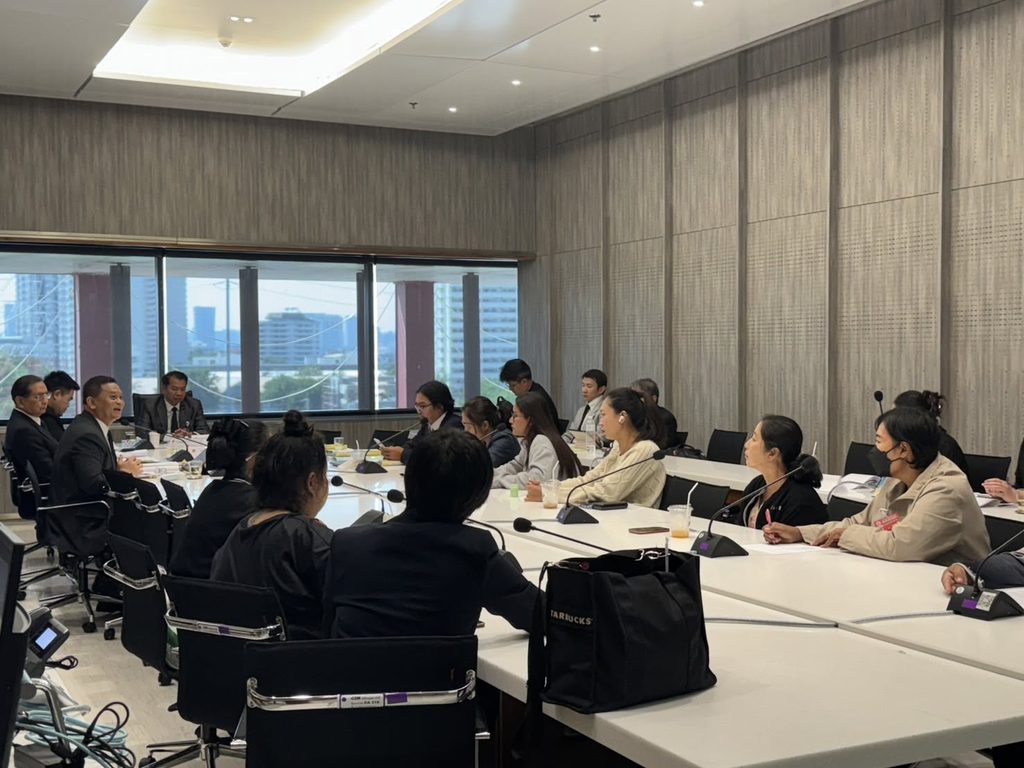
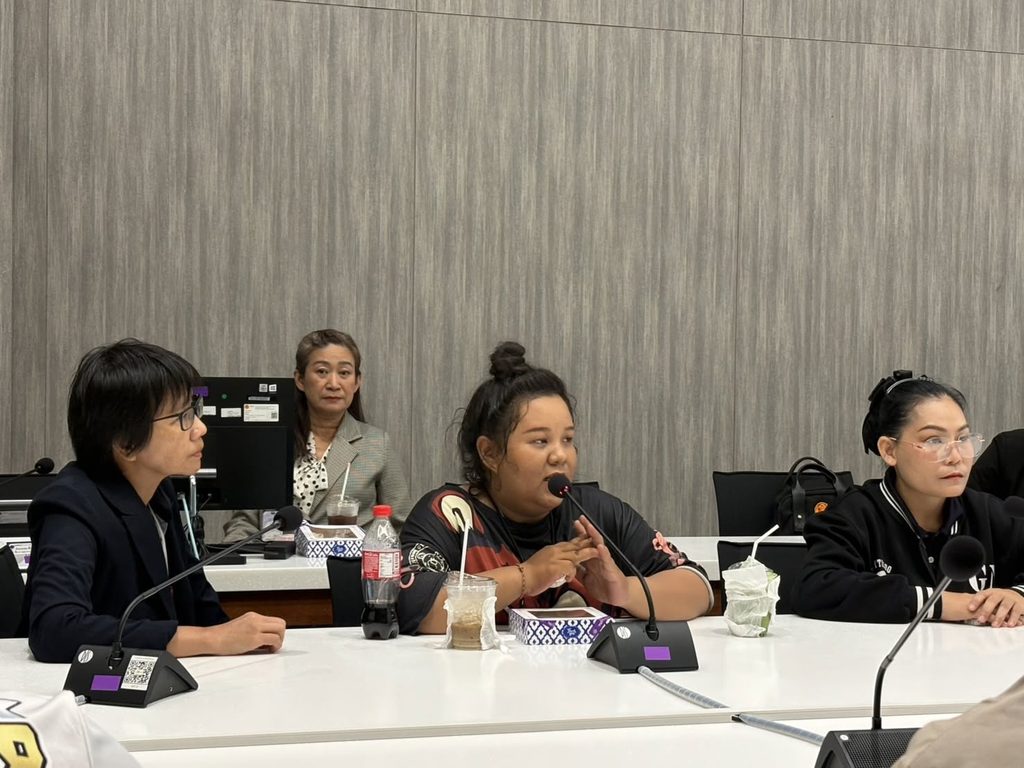
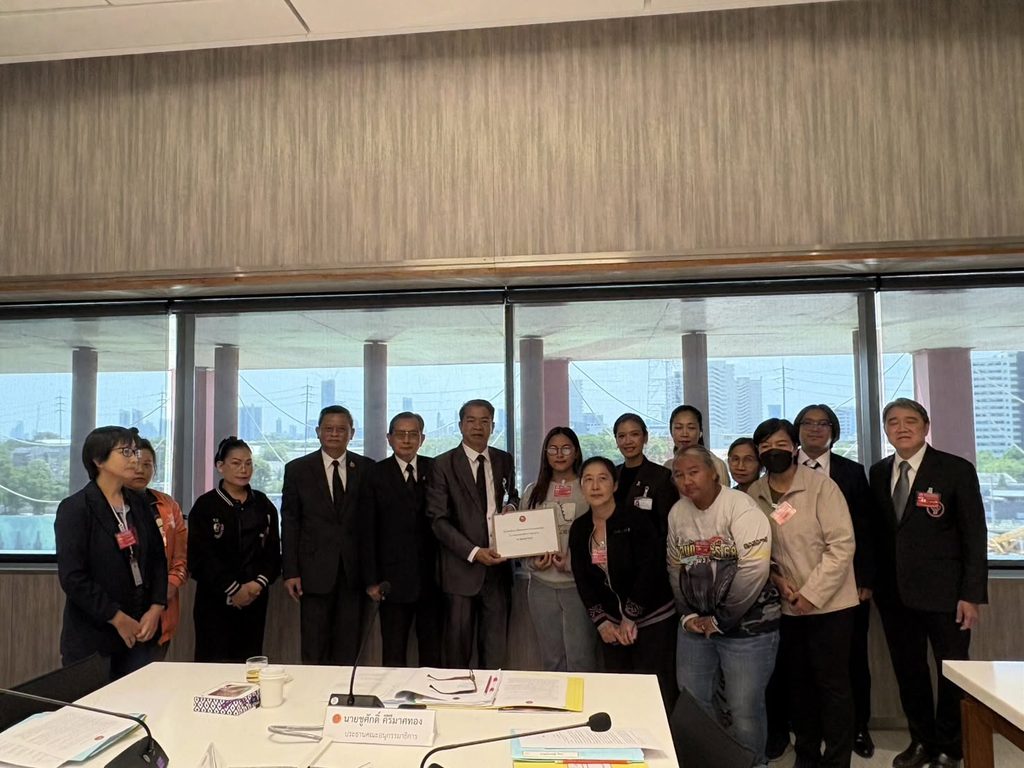
วันที่ 3 กันยายน 2569 สถาบันแรงงานและเศรษฐกิจที่เป็นธรรม (JELI) เดินทางไปเข้าพบคณะกรรมาธิการการแรงงาน สภาผู้แทนราษฎร ณ อาคารรัฐสภา พร้อมกับสหพันธ์คนทำงานแพลตฟอร์มประเทศไทย (PWOT) เพื่อร่วมยื่นข้อเรียกร้องและสะท้อนปัญหาของแรงงานแพลตฟอร์ม
การเข้าพบครั้งนี้เป็นความเคลื่อนไหวต่อเนื่องมาจากกิจกรรม “เสวนาระดับภูมิภาค: เครือข่ายเพื่อคนงานแพลตฟอร์มแห่งเอเชีย” ซึ่งจัดโดย JELI และ FES Thailand เมื่อวันที่ 23 กรกฎาคม 2569 ณ อาคารรัฐสภา ซึ่งผู้แทนแรงงานแพลตฟอร์มจากหลายประเทศในเอเชียได้แลกเปลี่ยนสถานการณ์และแนวทางการคุ้มครองแรงงานแพลตฟอร์มกับคณะกรรมาธิการฯ ขณะที่ PWOT ได้นำเสนอปัญหาที่คนทำงานในประเทศไทยต้องเผชิญ ทั้งเรื่องรายได้ สิทธิ ความปลอดภัย และการขาดหลักประกันในการทำงาน
ข้อเรียกร้องสำคัญที่ PWOT ย้ำต่อคณะกรรมาธิการฯ ได้แก่ การผลักดันให้กระทรวงแรงงานออกกฎกระทรวงตามมาตรา 6 และมาตรา 22 แห่งพระราชบัญญัติคุ้มครองแรงงาน พ.ศ. 2541 เพื่อให้เกิดมาตรการคุ้มครองที่สอดคล้องกับลักษณะการทำงานบนแพลตฟอร์ม การเร่งให้สัตยาบันอนุสัญญาองค์การแรงงานระหว่างประเทศ ฉบับที่ 193 ว่าด้วยงานที่มีคุณค่าในเศรษฐกิจแพลตฟอร์ม รวมถึงการนำมาตรฐานในอนุสัญญามาปรับใช้โดยไม่จำเป็นต้องรอให้กระบวนการให้สัตยาบันแล้วเสร็จ
PWOT ยังได้สะท้อนปัญหาด้านสุขภาพจิตและความปลอดภัยของไรเดอร์ ซึ่งต้องทำงานภายใต้ค่ารอบที่ลดลง ความไม่มั่นคงทางรายได้ ภาระหนี้สิน ความเสี่ยงจากสภาพถนนและการจราจร ตลอดจนความรุนแรงจากผู้ใช้บริการ พร้อมเสนอให้บริษัทแพลตฟอร์มมีระบบยืนยันตัวตนผู้ใช้บริการที่สามารถตรวจสอบและติดตามได้เมื่อเกิดเหตุ
อีกประเด็นสำคัญของการหารือครั้งนี้คือการนำเสียงของคนทำงานแพลตฟอร์มกลุ่มอื่น ๆ เข้ามาอยู่ในข้อเสนอเชิงนโยบายมากขึ้น โดยเฉพาะแม่บ้านแพลตฟอร์ม
สำหรับแม่บ้านแพลตฟอร์ม ปัญหาที่ถูกสะท้อนมีตั้งแต่การกำหนดค่าตอบแทนและจำนวนชั่วโมงที่ไม่สัมพันธ์กับเนื้องานจริง การต้องรับผิดชอบค่าเดินทาง ค่าอุปกรณ์ และค่าใช้จ่ายหน้างานด้วยตนเอง ไปจนถึงการได้รับข้อมูลเกี่ยวกับสถานที่และลักษณะงานไม่เพียงพอก่อนตัดสินใจรับงาน เมื่อเวลาที่ลูกค้าจองไม่พอกับงานจริง คนทำงานจึงต้องเลือกระหว่างทำงานต่อโดยไม่ได้รับค่าตอบแทนเพิ่ม หรือหยุดเมื่อครบเวลาและเสี่ยงต่อการถูกร้องเรียน
แรงงานยังสะท้อนว่าความเสี่ยงจากการเจ็บป่วยและอุบัติเหตุจำนวนมากถูกผลักกลับมาเป็นภาระของคนทำงาน หากไม่สามารถไปทำงานได้หลังรับงานแล้ว อาจถูกปรับหรือระงับการรับงาน ขณะที่เมื่อเกิดอุบัติเหตุหรือเจ็บป่วยจนไม่สามารถทำงานต่อ คนทำงานยังขาดทั้งหลักประกันรายได้และระบบคุ้มครองที่เพียงพอ ปัญหาเหล่านี้สะท้อนว่าการออกแบบระบบของแพลตฟอร์ม ตั้งแต่การกำหนดราคา การให้ข้อมูล ไปจนถึงระบบร้องเรียนและบทลงโทษ มีผลโดยตรงต่อรายได้ สุขภาพ และความมั่นคงของคนทำงาน
ในช่วงที่ผ่านมา คณะกรรมาธิการการแรงงานได้ดำเนินการศึกษาประเด็นการคุ้มครองแรงงานแพลตฟอร์มอย่างต่อเนื่อง และกระบวนการดังกล่าวกำลังเข้าสู่ช่วงท้าย หลังจากนี้จึงต้องติดตามว่าผลการศึกษาจะเสนอแนวทางใดต่อรัฐบาล กระทรวงแรงงาน และหน่วยงานที่เกี่ยวข้อง รวมถึงข้อเสนอจากคนทำงานจะถูกนำไปพัฒนาเป็นมาตรการทางกฎหมายและนโยบายได้มากเพียงใด
🔗 กด ที่นี่ เพื่ออ่านข้อเรียกร้องการคุ้มครองแรงงานแพลตฟอร์มฉบับเต็ม
มองแนวทางคุ้มครองคนทำงานแพลตฟอร์ม
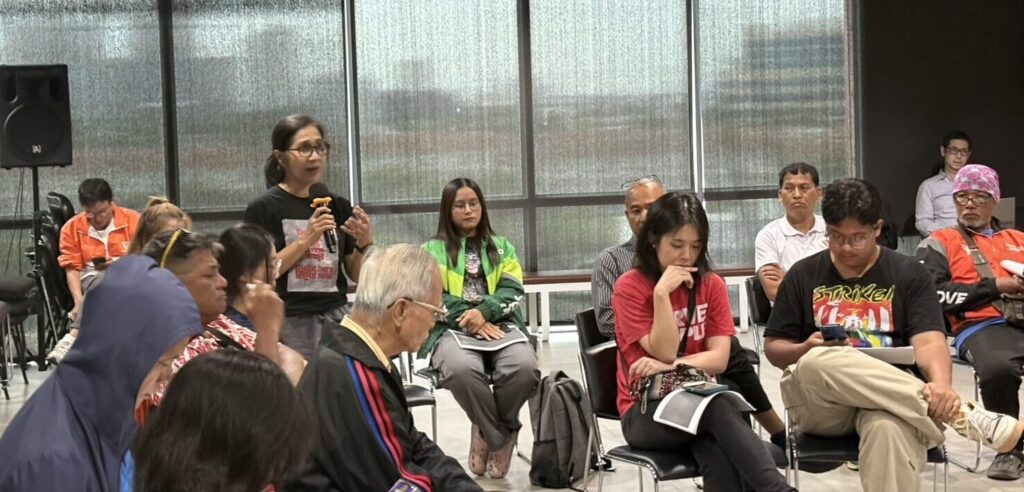
วันที่ 11 กันยายน 2569 JELI เข้าร่วมกิจกรรม “การต่อสู้เพื่อให้ได้มาซึ่งสิทธิ และก้าวต่อไปของคนทำงาน Platform” จัดโดยเครือข่ายผู้ใช้แรงงาน พรรคประชาชน เพื่อแลกเปลี่ยนถึงทิศทางการคุ้มครองคนทำงานแพลตฟอร์ม ท่ามกลางข้อเสนอทางกฎหมายหลายแนวทางที่กำลังถูกผลักดันอยู่ในปัจจุบัน
หนึ่งในประเด็นสำคัญของวงพูดคุยคือ เมื่อทุกฝ่ายต่างเห็นถึงความจำเป็นในการสร้างหลักประกันให้คนทำงานแพลตฟอร์ม คำถามต่อมาคือควรเดินหน้าอย่างไร และเครื่องมือทางกฎหมายแบบใดจะสามารถสร้างความคุ้มครองได้ทั้งในระยะสั้นและระยะยาว
การหารือครั้งนี้หยิบยก 3 แนวทางหลัก ได้แก่ การแก้ไขพระราชบัญญัติคุ้มครองแรงงาน พ.ศ. 2541 เพื่อให้การคุ้มครองครอบคลุมลักษณะการจ้างงานบนแพลตฟอร์ม การออกกฎหมายเฉพาะสำหรับคนทำงานแพลตฟอร์ม และการออกกฎกระทรวงภายใต้กฎหมายคุ้มครองแรงงานเพื่อกำหนดมาตรการเฉพาะสำหรับงานแพลตฟอร์ม ซึ่งทั้งสามแนวทางมีเป้าหมายร่วมกันคือการทำให้คนทำงานได้รับความคุ้มครอง แต่มีความแตกต่างกันทั้งในแง่สถานะทางกฎหมาย ขอบเขตสิทธิ และระยะเวลาที่ต้องใช้ในการผลักดัน
ในวงพูดคุยจึงมีการเสนอให้มองเรื่องนี้ในสองระยะควบคู่กัน ในระยะยาว การคุ้มครองคนทำงานแพลตฟอร์มยังต้องเดินไปสู่มาตรฐานสิทธิที่ครอบคลุม ทั้งสถานะการจ้าง ค่าตอบแทน การคุ้มครองทางสังคม ความปลอดภัยในการทำงาน และสิทธิในการรวมตัว ซึ่งสอดคล้องกับประเด็นที่ถูกผลักดันผ่านมาตรฐานแรงงานระหว่างประเทศหรือ ILO C193 สำหรับงานแพลตฟอร์ม ขณะเดียวกัน ในระยะสั้น คนทำงาน โดยเฉพาะไรเดอร์ ยังคงเผชิญอุบัติเหตุ การบาดเจ็บ และการเสียชีวิตจากการทำงานอยู่ในปัจจุบัน การผลักดันกฎกระทรวง ซึ่งเปิดช่องให้กำหนดการคุ้มครองสำหรับงานบางประเภทแตกต่างจากหลักทั่วไปของกฎหมายได้ จึงถูกหยิบขึ้นมาหารือในฐานะหนึ่งในเครื่องมือที่อาจทำให้มาตรการคุ้มครองบางส่วนเกิดขึ้นได้เร็วกว่าเส้นทางการออกหรือแก้ไขกฎหมายทั้งฉบับ
ทั้งนี้ การหารือครั้งนี้ไม่ได้เป็นการสรุปว่าควรเลือกใช้แนวทางใดเป็นหลัก แต่เปิดพื้นที่ให้คนทำงาน องค์กรแรงงาน และผู้เกี่ยวข้องได้แลกเปลี่ยนทั้งข้อดี ข้อจำกัด และผลที่จะเกิดขึ้นจากแต่ละทางเลือก ขณะที่ผู้แทนพรรคประชาชนได้รับข้อมูลและข้อเสนอจากวงหารือไปประกอบการพิจารณาต่อไป
เสียงคนทำงานแพลตฟอร์มบนเวที UN
“Responsible Business and Human Rights Forum“
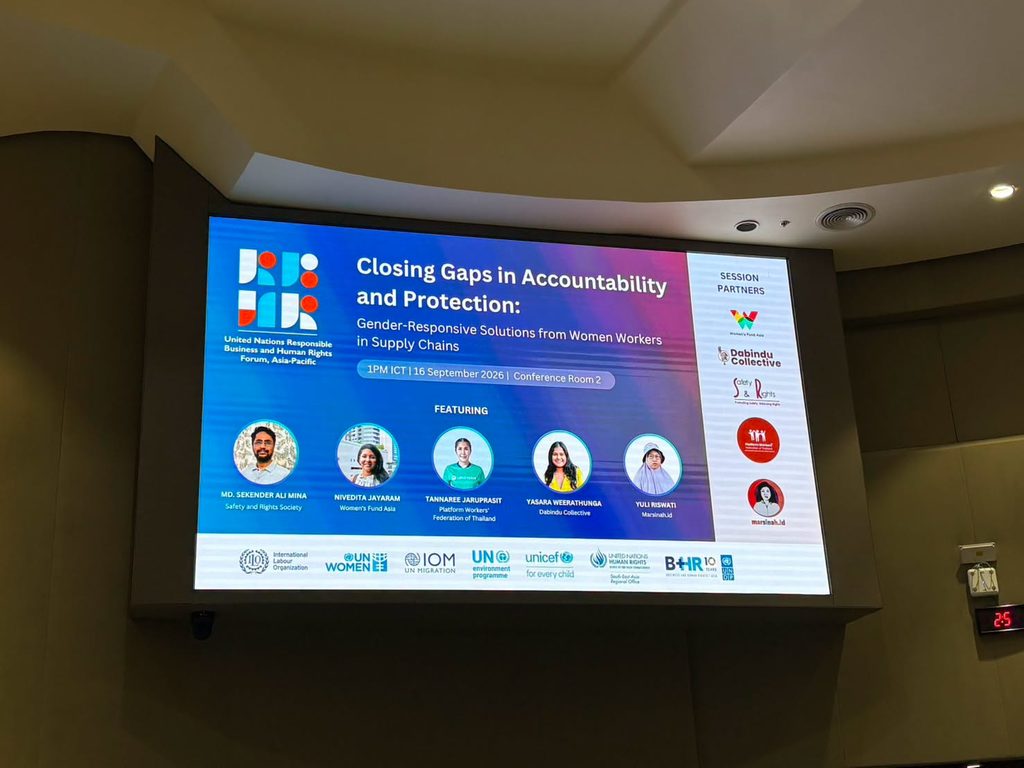
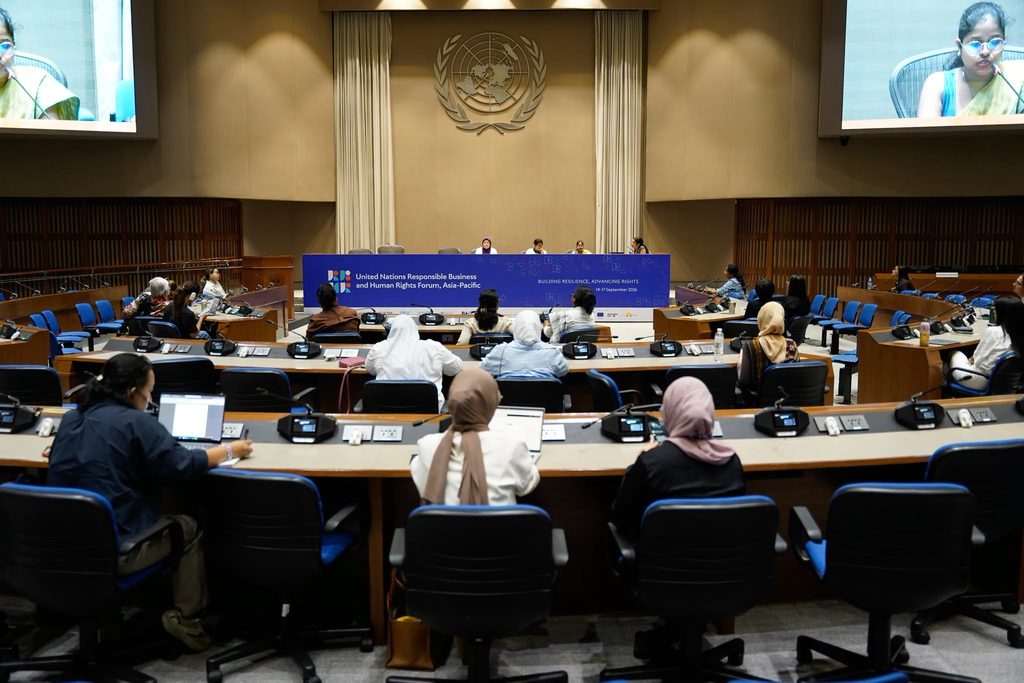
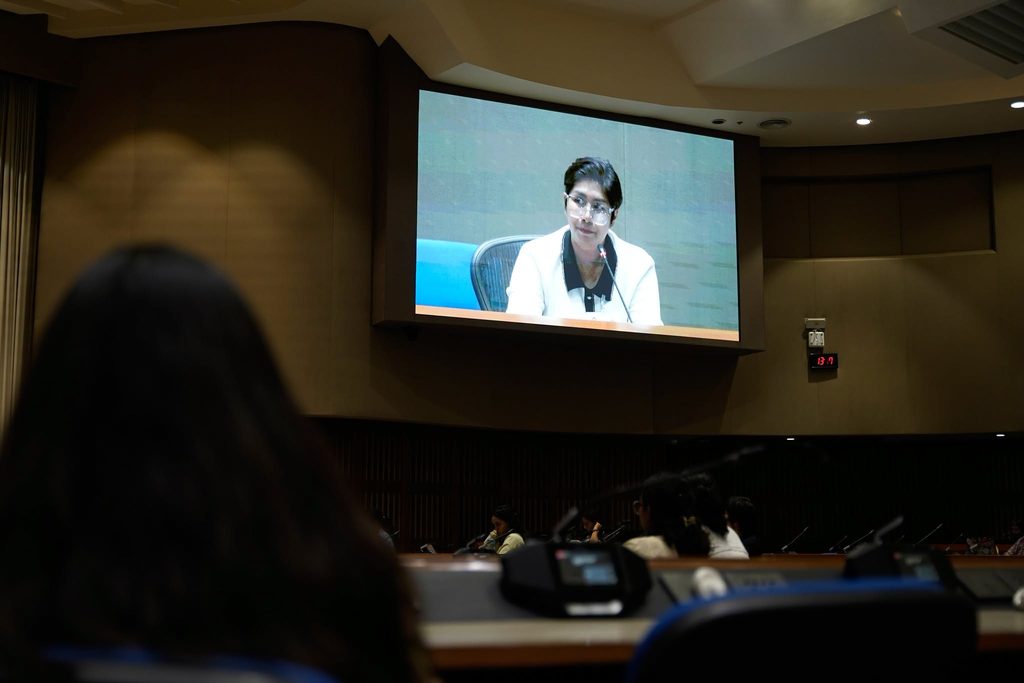
ระหว่างวันที่ 14-17 กันยายน 2569 JELI เข้าร่วม United Nations Responsible Business and Human Rights Forum, Asia-Pacific 2026 ณ อาคารสหประชาชาติ กรุงเทพฯ พร้อมกับตัวแทนไรเดอร์หญิง เพื่อร่วมเรียนรู้และติดตามการพูดคุยเรื่องธุรกิจกับสิทธิมนุษยชนจากภาครัฐ ภาคธุรกิจ องค์กรแรงงาน ภาคประชาสังคม และผู้ได้รับผลกระทบจากประเทศต่าง ๆ ในภูมิภาคเอเชียแปซิฟิก เวทีปีนี้จัดขึ้นภายใต้หัวข้อ Building Resilience, Advancing Rights โดยเน้นคำถามสำคัญว่า หลักการและนโยบายด้านธุรกิจกับสิทธิมนุษยชนที่มีอยู่จะถูกทำให้เกิดผลจริงในชีวิตของคนงานและชุมชนได้อย่างไร
หนึ่งในประเด็นสำคัญที่ปรากฏในหลายวงพูดคุยคือ Human Rights and Environmental Due Diligence (HREDD) หรือการกำหนดให้บริษัทต้องตรวจสอบล่วงหน้าว่าการดำเนินธุรกิจของตน รวมถึงห่วงโซ่อุปทาน อาจก่อให้เกิดผลกระทบต่อสิทธิมนุษยชน คนงาน ชุมชน หรือสิ่งแวดล้อมอย่างไร และต้องมีมาตรการป้องกัน แก้ไข และเยียวยาเมื่อเกิดผลกระทบ สิ่งที่น่าจับตาคือ แนวทางนี้กำลังขยับจากมาตรการสมัครใจไปสู่หน้าที่ตามกฎหมายมากขึ้นในเอเชีย ปัจจุบัน เกาหลีใต้มีร่างกฎหมาย HREDD อยู่ระหว่างการพิจารณาในรัฐสภา ขณะที่ประเทศไทยก็กำลังพัฒนาร่างกฎหมายว่าด้วยการส่งเสริมการประกอบธุรกิจอย่างรับผิดชอบ ซึ่งเสนอให้ธุรกิจขนาดใหญ่มีหน้าที่ตรวจสอบและจัดการความเสี่ยงด้านสิทธิมนุษยชนและสิ่งแวดล้อมตลอดการดำเนินงานและห่วงโซ่อุปทาน
หนึ่งในวงพูดคุยที่สำคัญ คือ “Closing Gaps in Accountability and Protection: Gender-Responsive Solutions from Women Workers in Supply Chains” ซึ่งนำคำถามเรื่องการมีส่วนร่วมของคนงานมาพูดผ่านประสบการณ์ของคนงานหญิงโดยตรง โดยมีธัญญ์นรี จารุประสิทธิ์ ตัวแทนสหพันธ์คนทำงานแพลตฟอร์มประเทศไทย (PWOT) เป็นหนึ่งในผู้ร่วมเสวนา
“ถ้าไรเดอร์หนึ่งคนประสบอุบัติเหตุ เราอาจช่วยได้หนึ่งคน แต่ถ้าไรเดอร์จำนวนมากประสบปัญหาเดียวกัน เราต้องถามว่า ทำไมสิ่งนี้ถึงเกิดขึ้น และอะไรควรจะต้องเปลี่ยนแปลงในระบบ?” – ธัญญ์นรี จารุประสิทธิ์
session นี้เป็นการพูดคุยถึงช่องว่างของนโยบายหรือกลไกคุ้มครอง กับการที่คนงานจะได้รับความคุ้มครองจริง ตั้งแต่ความปลอดภัยในการทำงาน การเข้าถึงกลไกร้องเรียน ความคุ้มครองทางกฎหมาย ไปจนถึงคำถามสำคัญว่า ใครเป็นคนกำหนดว่าปัญหาคืออะไร และเสียงของคนงานอยู่ตรงไหนในกระบวนการหาทางออก ซึ่งหลายครั้งเสียงของคนงาน โดยเฉพาะคนงานหญิง อาจไม่ได้อยู่ในกระแสหลักมากพอที่จะถูกมองเห็นหรือรับฟัง
ธัญญ์นรีเล่าถึงการรวมตัวของคนทำงานแพลตฟอร์มmujแม้คนทำงานจะอยู่คนละจังหวัด ทำงานต่างอาชีพ หรือต่างแพลตฟอร์ม แต่หลายคนเผชิญปัญหาคล้ายกัน ทั้งรายได้ที่ไม่แน่นอน ชั่วโมงการทำงานที่ยาวนาน การกำหนดเงื่อนไขการทำงานผ่านระบบอัลกอริทึม ความเสี่ยงจากอุบัติเหตุ และการขาดหลักประกันทางสังคมหรือความคุ้มครองทางกฎหมายที่ชัดเจน
PWOT จึงเป็นพื้นที่ให้คนที่กระจัดกระจายอยู่ตามอาชีพ แพลตฟอร์ม และพื้นที่ต่าง ๆ ได้มาพบกัน แลกเปลี่ยนประสบการณ์ และมองเห็นว่าปัญหาที่แต่ละคนเคยเผชิญตามลำพังอาจเป็นปัญหาร่วมที่เกิดซ้ำกับอีกหลาย ๆ คน การรับฟังเรื่องรายได้ ชั่วโมงทำงาน อุบัติเหตุ ความปลอดภัย หรือหลักประกันทางสังคม เป็นฐานของการสร้างความรู้ร่วมกัน และพัฒนาไปสู่ข้อเสนอที่มาจากคนงานเอง การรวมตัวทำให้ปัญหาที่เคยถูกมองเป็นเรื่องของคนหนึ่งคน กลายเป็นคำถามเชิงโครงสร้างว่าทำไมปัญหาเดิม ๆ ถึงเกิดขึ้นซ้ำแล้วซ้ำอีกกับคนจำนวนมาก และอะไรคือสิ่งที่จะต้องเปลี่ยน
หลักคิดอีกข้อที่เน้นชัดคือ “การมีส่วนร่วมอย่างแท้จริงของคนงาน” เมื่อรัฐกำลังออกกฎหมายหรือนโยบายที่กระทบต่อการทำงาน คนงานควรได้นั่งอยู่ในวงสนทนานั้นด้วย เมื่อบริษัทตัดสินใจเรื่องที่ส่งผลต่อรายได้ เงื่อนไข หรือความปลอดภัยในการทำงาน คนงานก็ควรมีพื้นที่ตั้งคำถามหรือแสดงข้อกังวลต่อสิ่งที่จะเกิดขึ้นกับชีวิตการทำงานของตัวเอง
เรื่องนี้สำคัญมากสำหรับคนงานหญิงที่ต้องรับภาระซ้ำซ้อน ทั้งต้องหารายได้ ดูแลครอบครัว และแบกรับความเสี่ยงจากการทำงานไปพร้อม ๆ กัน ธัญญ์นรีย้ำถึงความจำเป็นของการสร้างผู้นำหญิง ให้คนงานหญิงมีความรู้เรื่องสิทธิ สามารถบอกเล่าประสบการณ์ของตัวเอง และมีบทบาทนำในการรวมคนทำงานจากพื้นที่และกลุ่มต่าง ๆ เข้าด้วยกันได้
gender-responsive solution ไม่ได้จบแค่การแปะป้ายว่านโยบายหรือมาตรการไหน “คำนึงถึงผู้หญิง” แล้วหรือยัง แต่ต้องหมายถึงการที่ผู้หญิงคนทำงานเองได้เป็นผู้นำ เป็นผู้บอกเล่าว่าปัญหาคืออะไร มีส่วนร่วมในการพัฒนาข้อเสนอ และมีอำนาจอยู่ในกระบวนการตัดสินใจเกี่ยวกับทางออกนั้นด้วย
ประสบการณ์บนท้องถนนจากไรเดอร์สระบุรี
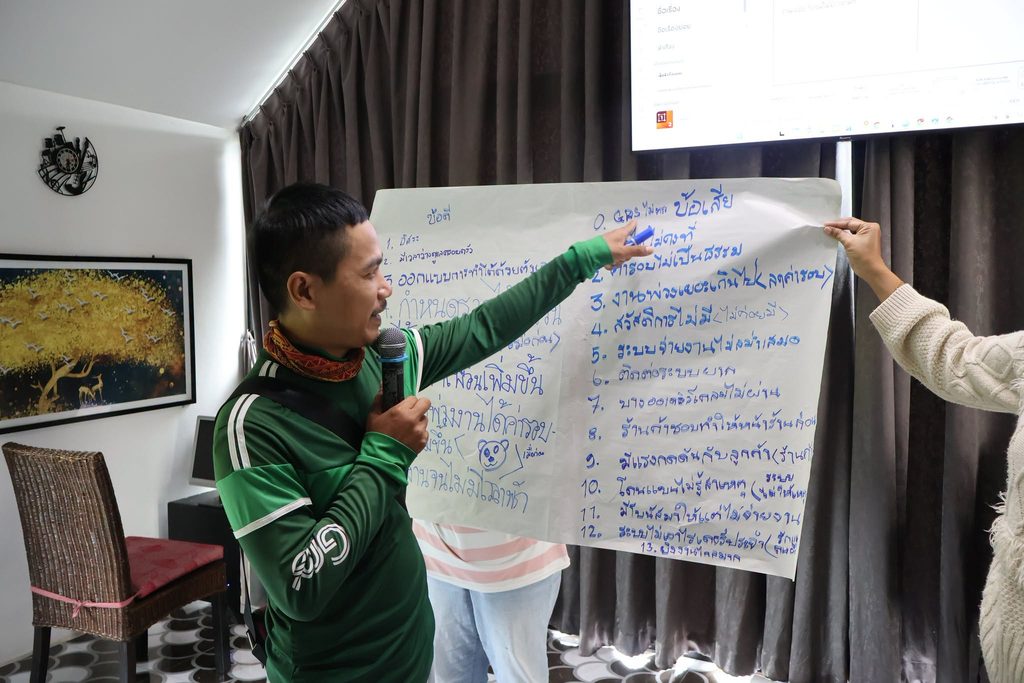
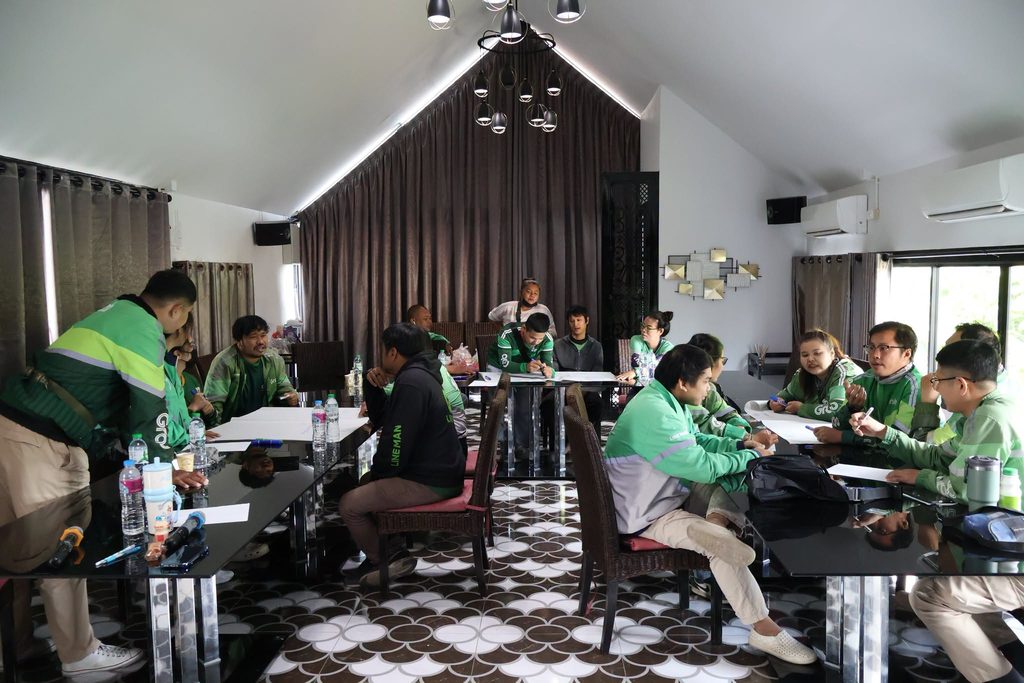
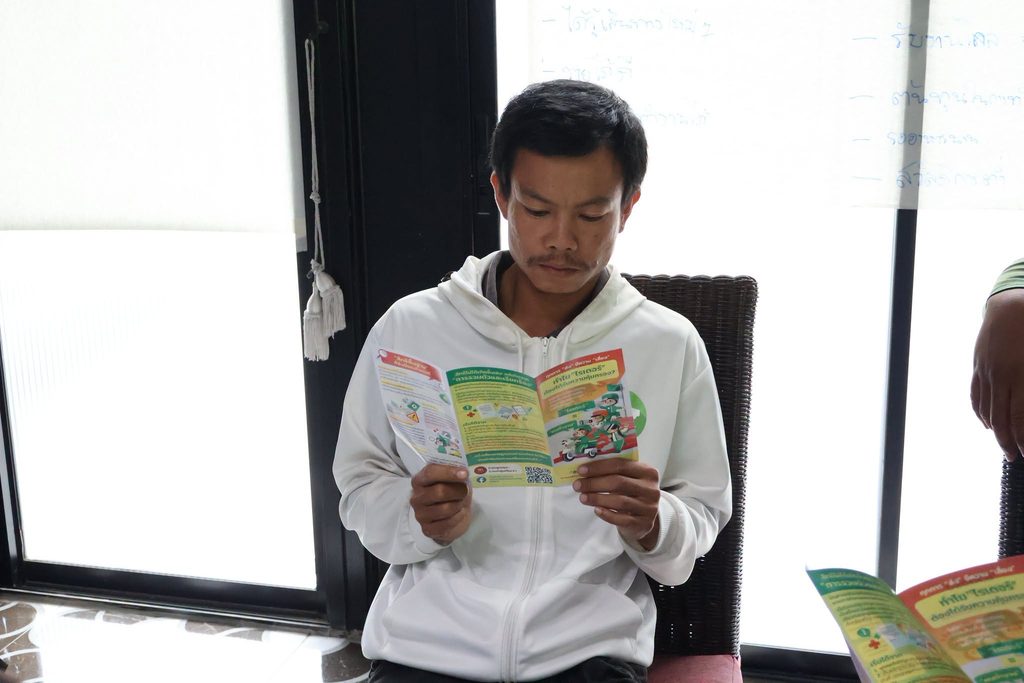
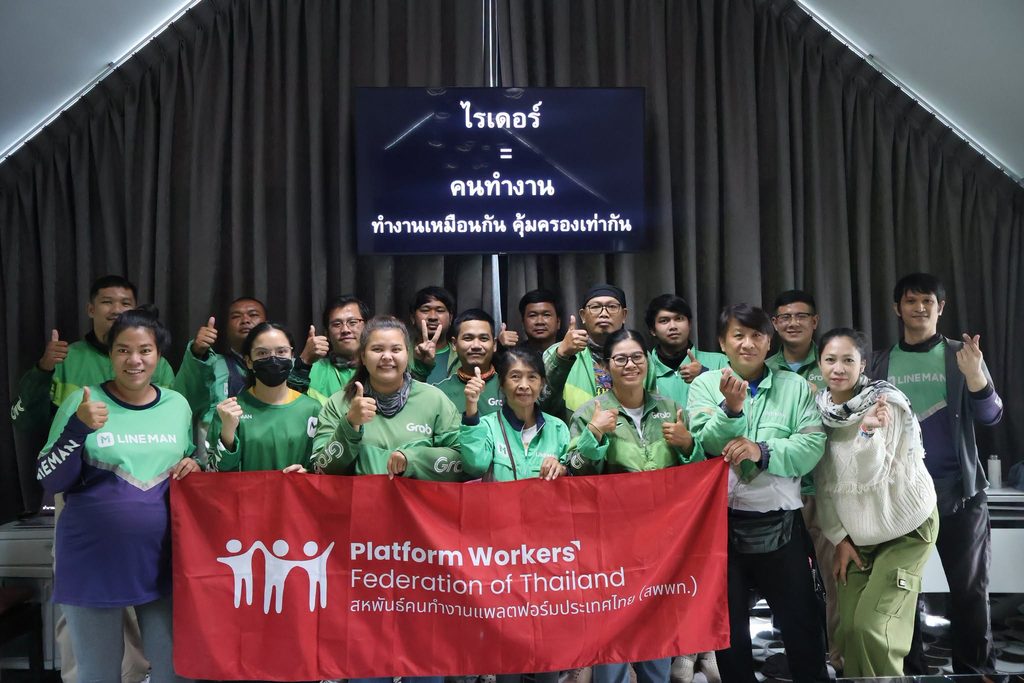
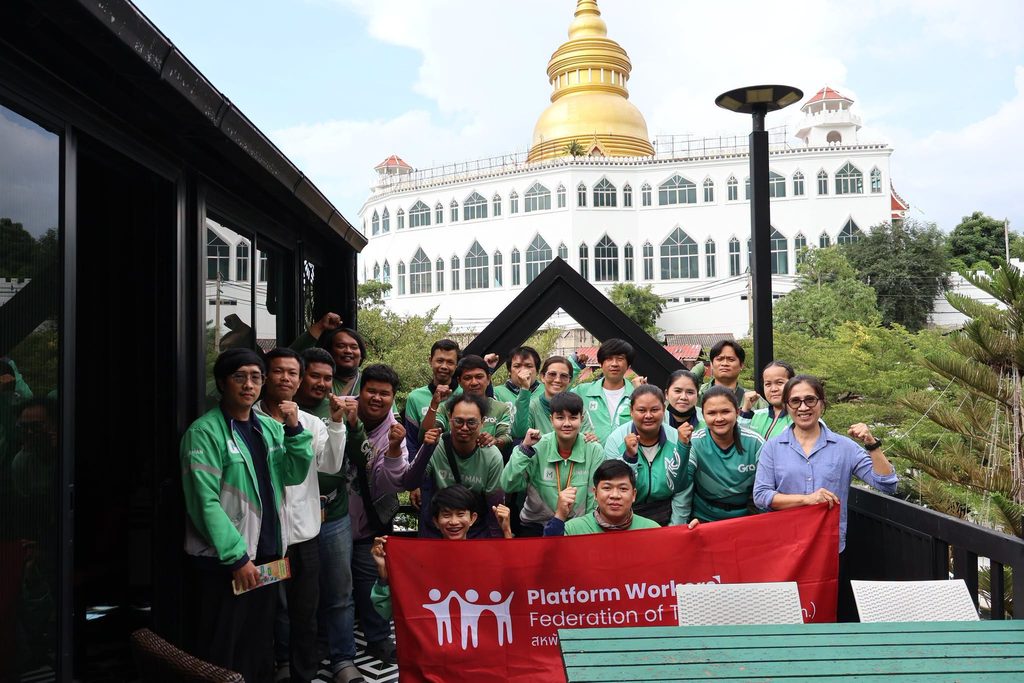
วันที่ 23-24 กันยายน 2569 JELI ใช้เวลาสองวันร่วมกับไรเดอร์เกือบ 40 คนในจังหวัดสระบุรี เพื่อพูดคุยถึงสภาพการทำงาน ปัญหาที่แต่ละคนกำลังเผชิญ และความเปลี่ยนแปลงที่อยากเห็นต่อจากนี้
สระบุรีเป็นพื้นที่ที่ความเสี่ยงบนถนนถูกพูดถึงตั้งแต่ต้น ไรเดอร์ต้องทำงานท่ามกลางรถบรรทุกและรถพ่วงจำนวนมาก ถนนบางช่วงมีสภาพไม่ดี เป็นหลุมเป็นบ่อ มีกรณีไรเดอร์ขี่รถตกหลุมจนล้มและได้รับบาดเจ็บ ขณะที่บางเส้นทางมีรถใช้ความเร็วสูง เมื่อคนทำงานต้องอยู่บนถนนวันละหลายชั่วโมง ความปลอดภัยจึงเป็นประเด็นสภาพการทำงานที่สำคัญมาก
วงพูดคุยเริ่มจากเรื่องใกล้ตัวอย่างข้อดีและข้อจำกัดของงานไรเดอร์ ก่อนค่อย ๆ ไปถึงปัญหาที่หลายคนพบร่วมกัน ทั้งค่ารอบที่ลดลงและไม่สะท้อนต้นทุนจริง ค่าใช้จ่ายในการดูแลรถและอุปกรณ์ที่คนทำงานต้องรับผิดชอบเอง ความเสี่ยงจากอุบัติเหตุ การคุกคามทั้งทางวาจาและทางเพศ ตลอดจนการไม่มีสวัสดิการและการเข้าไม่ถึงหลักประกันทางสังคมที่เพียงพอ
อีกเรื่องที่ถูกหยิบมาคุยคือระบบการจัดการงานของแพลตฟอร์ม ตั้งแต่การรับและกระจายงานไปจนถึงเงื่อนไขที่เกี่ยวข้องกับรายได้และบัญชีผู้ใช้งาน หลายเรื่องถูกกำหนดผ่านระบบที่คนทำงานมีข้อมูลจำกัดและแทบไม่มีพื้นที่ต่อรอง ทั้งที่การตัดสินใจเหล่านั้นส่งผลโดยตรงต่อจำนวนงาน รายได้ และเวลาที่ต้องใช้บนถนน
การได้มานั่งคุยกับคนทำงานคนอื่นทำให้หลายคนเริ่มเห็นว่าเรื่องที่เคยคิดว่าเกิดขึ้นกับตัวเองเพียงคนเดียว กลับเป็นประสบการณ์ที่เกิดซ้ำกับคนอีกจำนวนมาก ปัญหารายได้ อุบัติเหตุ หรือการรับภาระต้นทุนเองจึงไม่ได้ถูกพูดถึงเพียงในฐานะปัญหาเฉพาะราย แต่เริ่มกลายเป็นคำถามร่วมว่าสภาพการทำงานแบบนี้เกิดขึ้นได้อย่างไร และอะไรที่ควรเปลี่ยน
จากการแลกเปลี่ยนปัญหา วงสนทนาจึงขยับไปสู่คำถามว่า ถ้าต้องการให้สภาพการทำงานดีขึ้น คนทำงานสามารถทำอะไรได้บ้างในระดับพื้นที่ เรื่องใดต้องอาศัยการรวมตัว และเรื่องใดต้องผลักดันต่อไปถึงบริษัทแพลตฟอร์มหรือหน่วยงานรัฐ ทั้งสองวันจึงไม่ได้มีเพียงการรับฟังปัญหา แต่เป็นพื้นที่ให้คนทำงานช่วยกันคิดถึงทางเลือกและสิ่งที่สามารถทำร่วมกันได้
พื้นที่ในลักษณะนี้เป็นส่วนสำคัญของการจัดตั้งคนทำงาน เพราะการเรียกร้องสิทธิและความคุ้มครองควรเริ่มจากการที่คนทำงานได้พูดถึงประสบการณ์ของตัวเอง ได้รับฟังกัน และมีส่วนกำหนดว่าสภาพการทำงานที่เป็นธรรมและมีคุณค่าควรมีหน้าตาเป็นอย่างไร และการพูดคุยก็ไม่ได้จบไปพร้อมกับกิจกรรม แต่เป็นอีกจุดเริ่มต้นของการเชื่อมคนทำงานในพื้นที่ และการคิดต่อว่าจะสร้างการเปลี่ยนแปลงจากปัญหาที่ทุกคนกำลังเผชิญร่วมกันได้อย่างไร
PWOT แลกเปลี่ยนประสบการณ์กับเครือข่ายลูกจ้างทำงานบ้านในประเทศไทย
วันที่ 26 กันยายน 2569 JELI ประสานการพูดคุยออนไลน์ระหว่างสหพันธ์คนทำงานแพลตฟอร์มประเทศไทย (PWOT) และ เครือข่ายลูกจ้างทำงานบ้านในประเทศไทย (NDWT) เพื่อทำความรู้จักและแลกเปลี่ยนประสบการณ์การรวมตัวของคนทำงาน
เครือข่ายลูกจ้างทำงานบ้านฯ ก่อตั้งและเคลื่อนไหวต่อเนื่องมานานกว่าสิบปี ทั้งการสร้างสมาชิกและผู้นำในกลุ่มคนทำงาน การรณรงค์ด้านสิทธิแรงงาน และการผลักดันให้ลูกจ้างทำงานบ้านเข้าถึงหลักประกันทางสังคม โดยเมื่อวันที่ 25 สิงหาคมที่ผ่านมา คณะรัฐมนตรีได้เห็นชอบหลักการร่างพระราชกฤษฎีกาที่จะเปิดทางให้ลูกจ้างของนายจ้างที่เป็นบุคคลธรรมดา เช่น แม่บ้าน คนสวน และคนขับรถ เข้าสู่ระบบประกันสังคมมาตรา 33 ซึ่งถือเป็นความคืบหน้าสำคัญจากการผลักดันต่อเนื่องของขบวนการลูกจ้างทำงานบ้าน
การพูดคุยครั้งนี้จึงเป็นโอกาสให้ PWOT ได้เรียนรู้จากเส้นทางของเครือข่าย ตั้งแต่การเริ่มรวมคนทำงานที่กระจัดกระจาย การสร้างความสัมพันธ์และความไว้ใจกัน การพัฒนาสมาชิกให้เข้ามามีบทบาท ไปจนถึงการทำแคมเปญและผลักดันข้อเรียกร้องจากประสบการณ์ของคนทำงานเอง ปัจจุบันเครือข่ายลูกจ้างทำงานบ้านฯ มีสมาชิกทั้งลูกจ้างทำงานบ้านชาวไทยและข้ามชาติ และการสร้างฐานสมาชิกควบคู่กับการผลักดันเชิงนโยบายเป็นส่วนสำคัญของการทำงานมาโดยตลอด
สำหรับ JELI การเชื่อมพื้นที่ให้คนทำงานจากคนละอาชีพได้มาแลกเปลี่ยนกันเป็นอีกส่วนหนึ่งของการสนับสนุนการจัดตั้งแรงงาน และเปิดโอกาสให้เครือข่ายต่าง ๆ ได้เรียนรู้จากประสบการณ์ของกันและกัน รวมถึงสร้างความร่วมมือระหว่างคนทำงานแพลตฟอร์มและลูกจ้างทำงานบ้านต่อไป
เดือนนี้ JELI ชวน…
📖 ชวนอ่าน
เมื่อไทยเป็นศูนย์กลางแรงงานข้ามชาติ แต่คนทำงานยังอยู่กับสถานะที่ไม่มั่นคง
ชวนอ่านบทความ “Thailand Accepts Its Status as a Migrant Hub, but Workers Face Precarious Conditions” โดย Pei Palmgren และเกรียงศักดิ์ ธีระโกวิทขจร ผู้อำนวยการ JELI เผยแพร่โดย Migration Policy Institute ย้อนดูพัฒนาการของนโยบายแรงงานข้ามชาติของไทย และข้อจำกัดของระบบที่แม้จะเปิดให้แรงงานจากประเทศเพื่อนบ้านเข้ามาทำงานและได้รับสิทธิและหลักประกันบางส่วนตามกฎหมาย แต่ยังคงผูกคนทำงานไว้กับสถานะชั่วคราว กระบวนการจัดหางานที่มีต้นทุนสูง และข้อจำกัดในการเข้าถึงสิทธิและความมั่นคงในระยะยาว
อ่านที่: Migration Policy Institute
✍🏻ชวนเรียน
Asian Labour School เปิดคอร์สใหม่ ตุลาคม-พฤศจิกายน 2569
Asian Labour Review เปิดรับสมัคร Asian Labour School รอบเดือนตุลาคม-พฤศจิกายน 2569 สำหรับนักกิจกรรม สหภาพแรงงาน นักจัดตั้ง และผู้ที่สนใจเรื่องการสร้างขบวนการ การมีส่วนร่วมแบบประชาธิปไตย และการรวมตัวของคนทำงานในเอเชียรอบนี้มีหลายหัวข้อที่น่าสนใจ ตั้งแต่การอำนวยกระบวนการแบบประชาธิปไตย การทำงานแบบสหกรณ์
การดูแลความสัมพันธ์ภายในขบวนการ การสร้างคณะกรรมการสหภาพแรงงานที่เข้มแข็ง ไปจนถึงการออกแบบ radical walking tour เพื่อเรียนรู้ประวัติศาสตร์และการต่อสู้ผ่านพื้นที่ในเมือง
แต่ละคอร์สรับผู้เข้าร่วมจำนวนจำกัด โดยวันปิดรับสมัครแตกต่างกันไปตามรายวิชาสำหรับคนในเครือข่ายที่กำลังทำงานด้านแรงงาน การจัดตั้ง หรืออยากเรียนรู้เครื่องมือใหม่ ๆ จากประสบการณ์ของคนทำงานและนักกิจกรรมในประเทศต่าง ๆ ของเอเชีย ดูรายละเอียดหลักสูตร ตารางเรียน และกำหนดรับสมัครได้ที่นี่
🎥 ชวนดู
On Our Own Time เวลาเป็นของเราจริงไหม?
ชวนดูสารคดีสั้นจากฟิลิปปินส์ที่ติดตามชีวิตการทำงานของไรเดอร์ส่งของ 3 คนใน Metro Manila ตั้งแต่การรับงานผ่านแอป ปัญหาทางเทคนิค รายได้ที่ลดลง ไปจนถึงช่วงที่ไรเดอร์มาพบปะและแลกเปลี่ยนประสบการณ์กันตามจุดพักของคนทำงาน สารคดีชวนให้เห็นทั้งชีวิตประจำวันของคนทำงานแพลตฟอร์ม และคำถามเรื่องการรวมตัวของไรเดอร์ เมื่อปัญหาที่แต่ละคนเจอไม่ได้เกิดขึ้นกับคนใดคนหนึ่งเพียงลำพัง
ชม On Our Own Time ที่นี่
ปักหมุดเดือนหน้า
สภาพภูมิอากาศกับโลกการทำงาน
3-11 ตุลาคมนี้ Bangkok Climate Action Week 2026 มีหลายกิจกรรมที่ชวนทุกคนไปสำรวจว่าวิกฤตสภาพภูมิอากาศกำลังส่งผลต่อชีวิต การทำงาน และความมั่นคงทางเศรษฐกิจของผู้คนอย่างไร โดยเฉพาะกลุ่มคนทำงานที่ต้องเผชิญความเสี่ยงโดยตรง แต่ยังเข้าถึงมาตรการคุ้มครองได้อย่างจำกัด
กิจกรรมที่แนะนำ:
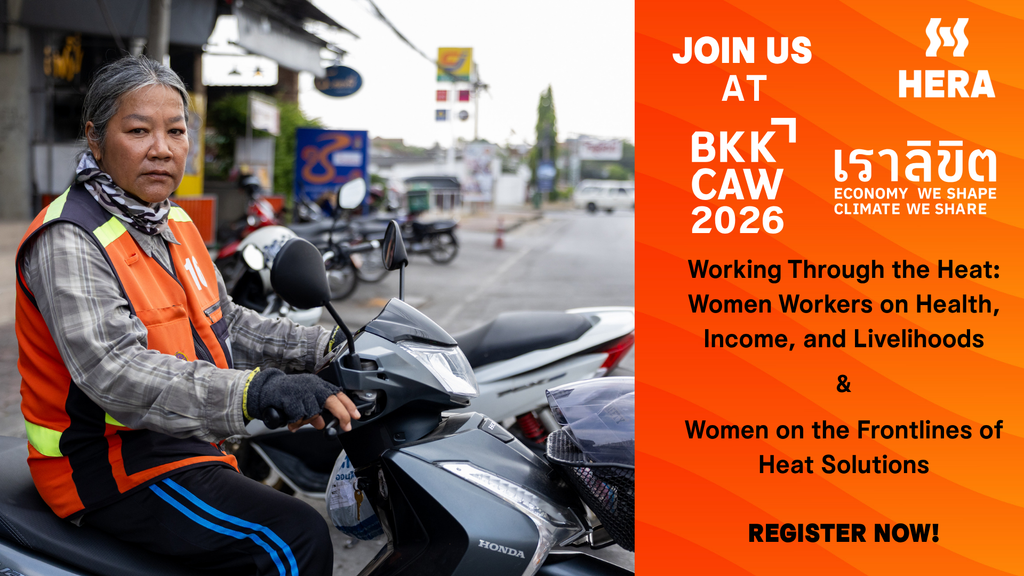
6 ตุลาคม – “Working Through the Heat: Women Workers on Health, Income and Livelihoods & Women on the Frontlines of Heat Solutions” จัดโดย HERA ร่วมกับ HomeNet Thailand และ Yunus Thailand ชวนฟังประสบการณ์ของแรงงานหญิงนอกระบบในประเทศไทย ตั้งแต่ผู้ค้าหาบเร่แผงลอย ผู้ขับขี่รถจักรยานยนต์รับจ้าง ลูกจ้างทำงานบ้าน ไปจนถึงผู้ผลิตสินค้าจากที่บ้าน ว่าความร้อนกระทบทั้งสุขภาพ รายได้ การพักผ่อน และภาระดูแลครอบครัวอย่างไร พร้อมนำเสนอแนวทางและรูปแบบการแก้ไขปัญหาที่กำลังร่วมกันพัฒนากับผู้หญิงและองค์กรชุมชนในประเทศไทย ลงทะเบียนได้ที่นี่
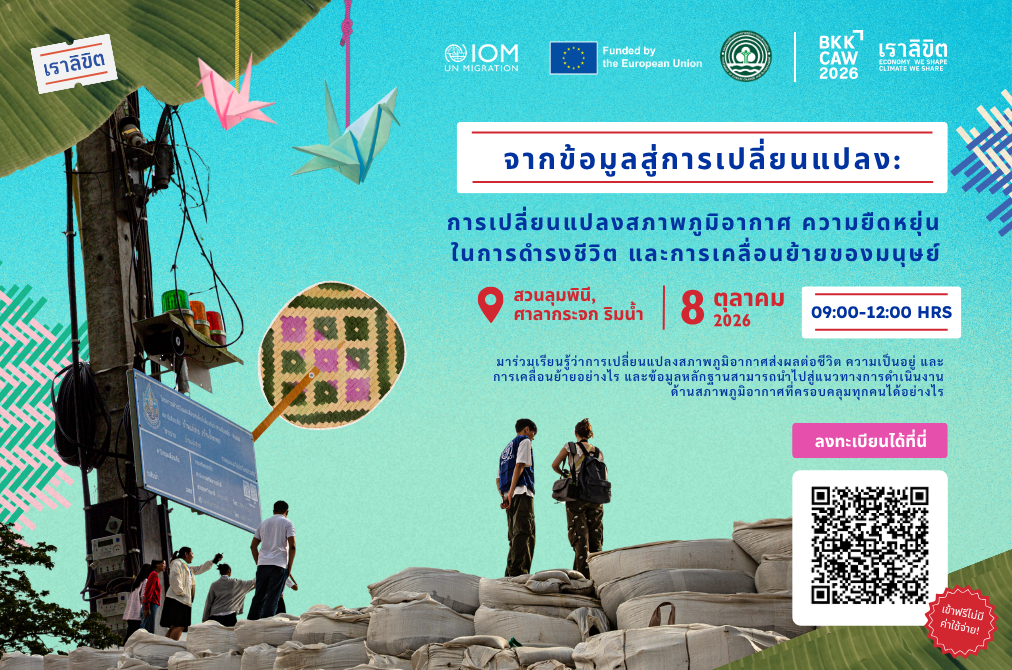
8 ตุลาคม – “From Evidence to Action: Climate Change, Livelihood Resilience, and Human Mobility” โดย IOM Thailand ชวนมองความสัมพันธ์ระหว่างการเปลี่ยนแปลงสภาพภูมิอากาศกับชีวิตความเป็นอยู่ อาชีพ และการย้ายถิ่น ว่าความเปลี่ยนแปลงของสภาพอากาศกำลังมีผลต่อการตัดสินใจว่าจะอยู่ ทำงาน หรือย้ายไปที่ใดอย่างไร และประเทศไทยควรเตรียมรับมือกับความเปลี่ยนแปลงเหล่านี้อย่างไร ดูรายละเอียดและลงทะเบียนได้ที่นี่
What Happened This Month
PWOT Meets Labour Committee, Reaffirms Calls for Protection
for All Platform Workers
On 3 September 2026, the Just Economy and Labour Institute (JELI), together with the Platform Workers Federation of Thailand (PWOT), met with the Committee on Labour of House of Representative at Parliament to submit a set of demands and raise concerns faced by platform workers.
The meeting followed the “Regional Dialogue: Asian Network for Platform Workers,” organised by JELI and FES Thailand at Parliament on 23 July 2026. At the dialogue, platform worker representatives from across Asia shared experiences and discussed approaches to worker protection with the Committee, while PWOT highlighted the situation in Thailand, including concerns around income, rights, safety, and the lack of adequate protection at work.
Among the key demands raised by PWOT was a call for the Ministry of Labour to issue a ministerial regulation under Sections 6 and 22 of the Labour Protection Act B.E. 2541 (1998), so that labour protections can better reflect the realities of platform work. PWOT also called on the government to move forward with the ratification of ILO Convention No. 193 on Decent Work in the Platform Economy, while beginning to apply its standards without waiting for the ratification process to be completed.
PWOT also raised concerns about riders’ mental health and safety. Riders are working amid declining per-delivery rates, unstable incomes, debt, road and traffic risks, and violence from customers. One proposal was for platforms to introduce a reliable customer identity verification system, so that users can be identified and traced when incidents occur.
Another important part of the discussion was the need to bring the experiences of other groups of platform workers more clearly into policy debates, particularly platform-based domestic workers.
Domestic workers described a range of problems, including pay and booked working hours that do not match the actual workload, while workers themselves have to cover transport, equipment, and other work-related expenses. They may also receive too little information about the location or nature of a job before accepting it. When the time booked by a customer is not enough to complete the work, workers can be left choosing between continuing without extra pay or stopping when the booked time ends and risking a complaint.
Workers also pointed out that the risks of illness and accidents are often pushed back onto them. If they become ill after accepting a job and are unable to work, they may face a fine or suspension from taking new jobs. If an accident or illness leaves them unable to work for a longer period, they still have little income security or adequate protection. These experiences show how platform systems, from pricing and information-sharing to complaint procedures and penalties, can directly shape workers’ income, health, and security.
The Committee on Labour has been studying the issue of platform worker protection over the past period, and that process is now nearing its final stage. The next question will be what recommendations emerge from the study for the government, the Ministry of Labour, and other relevant agencies, and how far workers’ proposals will be carried forward into concrete legal and policy measures.
🔗 Click here to read the full set of demands for platform worker protection.
The Future of Platform Workers in Thailand
On 11 September 2026, JELI joined the discussion “The Fight for Rights and the Next Step for Platform Workers,” organised by the Labour Network of the People’s Party. The discussion brought together different perspectives on how platform workers should be protected, at a time when several legal approaches are being proposed and debated.
A central question was straightforward: if there is broad agreement that platform workers need stronger protection, what is the best way to get there, and which legal tools can respond to both immediate needs and longer-term goals?
The discussion focused on three main approaches: amending the Labour Protection Act B.E. 2541 (1998) so that it better covers platform-based employment; introducing a separate law specifically for platform workers; and issuing a ministerial regulation under the Labour Protection Act to provide protections tailored to platform work. All three approaches share the same broad aim of improving worker protection, but they differ in terms of legal status, the scope of rights they would provide, and how long each route may take to move forward.
Participants therefore discussed the issue in both the short and long term. In the longer term, protection for platform workers will need to move towards comprehensive labour standards covering employment status, pay, social protection, occupational safety and health, and freedom of association, in line with the issues addressed under ILO Convention No. 193 on Decent Work in the Platform Economy.
At the same time, platform workers, particularly riders, are already facing accidents, injuries, and deaths at work. A ministerial regulation was therefore discussed as one possible way to introduce at least some protections more quickly, since the Labour Protection Act allows specific forms of work to be regulated differently from the general provisions of the law.
The discussion did not reach a conclusion that one legal route should take priority over the others. Instead, it provided space for workers, labour organisations, and other participants to consider the strengths, limitations, and possible implications of each approach. Representatives of the People’s Party took the information and proposals raised during the discussion for further consideration.
Platform Workers’ Voices at the UN
Responsible Business and Human Rights Forum
Between 14-17 September 2026, JELI took part in the United Nations Responsible Business and Human Rights Forum, Asia-Pacific 2026 at the United Nations Conference Centre in Bangkok, together with women rider representatives. The forum brought together governments, businesses, labour organisations, civil society groups, and affected communities from across the Asia-Pacific to exchange ideas and learn from one another on business and human rights. This year’s theme, Building Resilience, Advancing Rights, centred on a key question: how can existing business and human rights principles and policies be made real in the lives of workers and communities?
One of the issues that came up repeatedly across the forum was Human Rights and Environmental Due Diligence (HREDD). In simple terms, this means requiring companies to identify in advance how their operations, including their supply chains, may affect human rights, workers, communities, and the environment, and to take steps to prevent, address, and remedy those harms. What is particularly notable is that this approach is increasingly moving beyond voluntary commitments and towards legal obligations in Asia. South Korea already has an HREDD bill under consideration in parliament, while Thailand is developing a draft law on responsible business conduct that would require large companies to assess and manage human rights and environmental risks throughout their operations and supply chains.
One especially important session was “Closing Gaps in Accountability and Protection: Gender-Responsive Solutions from Women Workers in Supply Chains.” The session brought the question of worker participation into focus through the lived experiences of women workers. One of the speakers was Tannaree Jaruphasit, representing the Platform Workers Federation of Thailand (PWOT).
“If one rider has an accident, we can only help one person. But if many riders face the same problem, we need to ask: why does this happen, and what should be changed in the system?”
– Tannaree Jaruphasit
The session looked at the gap between policy or protection mechanisms on paper and whether workers are actually protected in practice. It touched on issues ranging from workplace safety, access to grievance mechanisms, and legal protection, to a more basic question: who gets to define what the problem is, and where do workers’ voices sit in the process of finding solutions? Too often, workers’ voices, especially those of women workers, remain outside the mainstream of policy discussions and decision-making.
Tannaree spoke about the organising of platform workers. Even though platform workers are scattered across different provinces, sectors, and platforms, many of them face similar challenges: unstable incomes, long working hours, algorithmic control over working conditions, the risk of accidents, and the absence of clear social protection or legal safeguards.
PWOT has become a space where workers from different occupations, platforms, and areas can come together, share experiences, and begin to see that the problems they once thought they faced alone are often shared by many others. Conversations about income, working hours, accidents, safety, and social protection become the basis for building collective knowledge and developing demands rooted in workers’ own experiences. Through organising, problems once seen as individual struggles begin to be understood as structural ones, raising broader questions about why the same issues keep happening to so many workers, and what needs to change.
Another idea that came through strongly was the importance of meaningful worker participation. When governments are drafting laws or policies that affect working lives, workers should be part of those conversations. When companies make decisions that shape workers’ income, working conditions, or safety, workers should also have the space to raise questions and voice concerns about what those decisions will mean for their lives.
This matters especially for women workers, who often carry multiple burdens at once: earning an income, caring for family members, and facing risks at work. Tannaree stressed the importance of building women’s leadership, so that women workers have the knowledge to claim their rights, can speak from their own experiences, and can take leading roles in connecting workers across different groups and regions.
A gender-responsive solution is not just about labelling a policy or measure as something that “takes women into account.” It also means women workers themselves being able to lead, define the problems, help shape the proposals, and hold real power in the process of deciding what the solutions should be.
On the Road with Riders in Saraburi
On 23-24 September 2026, JELI spent two days with nearly 40 riders in Saraburi to talk about their working conditions, the problems they are dealing with, and the changes they want to see.
Road safety came up from the very beginning. Saraburi is an area where riders face serious risks on the road. Many have to work alongside large trucks and trailers. Some roads are in poor condition, with potholes and uneven surfaces, and there have been cases of riders crashing after hitting potholes and getting injured. Other routes are known for high-speed traffic. When workers spend long hours on the road every day, safety becomes a core issue in their working conditions.
The conversations started with familiar topics, such as the advantages and limitations of rider work, before moving into the problems many people shared. These included falling delivery rates that do not reflect real costs, the burden of paying for vehicle maintenance and equipment out of pocket, the risk of accidents, verbal and sexual harassment, and the lack of benefits or meaningful access to social protection.
Another important issue was how platforms manage work, from job allocation and dispatch systems to the rules tied to income and rider accounts. Many of these decisions are made through systems that workers have very little information about and almost no room to negotiate, even though they directly affect the number of jobs riders receive, their earnings, and the amount of time they have to spend on the road.
Sitting down with other workers also helped many riders see that the problems they once thought were theirs alone were in fact repeated experiences shared by many others. Issues like income insecurity, accidents, and the burden of covering work-related costs began to be seen not just as individual problems, but as shared conditions that raise bigger questions about why this kind of work is organised the way it is, and what needs to change.
From there, the discussion moved towards what workers can do if they want to improve their conditions: what can be done locally, what requires collective organising, and what needs to be pushed further with platform companies or state agencies. Over those two days, the space was not only about listening to problems, but also about thinking together about possible responses and what workers can do collectively.
Spaces like this are an important part of organising. The struggle for rights and protection should begin with workers having the chance to speak about their own experiences, listen to one another, and help shape what fair and dignified work should look like. And the conversation did not end when the activity ended. It became another starting point for building connections among workers in the area, and for thinking together about how to create change from the problems they are all facing.
PWOT Exchanges Organising Experiences with
the Network of Domestic Workers in Thailand
On 26 September 2026, JELI facilitated an online exchange between PWOT and the Network of Domestic Workers in Thailand (NDWT), giving the two networks a chance to get to know one another and share experiences of worker organising.
NDWT has been organising domestic workers for more than a decade, building its membership and worker leadership, campaigning for labour rights, and pushing for domestic workers to gain access to social protection. On 25 August, the Cabinet approved in principle a draft Royal Decree that would allow employees of individual employers, including domestic workers, gardeners, and drivers, to enter the Social Security system under Section 33. This marks an important step after years of sustained organising and advocacy by the domestic workers’ movement.
The exchange gave PWOT an opportunity to learn from NDWT’s journey: how the network began bringing together workers who were scattered across different workplaces, how it built relationships and trust, how members gradually took on greater roles, and how workers’ own experiences were turned into campaigns and collective demands. Today, NDWT brings together both Thai and migrant domestic workers, and has long combined membership-building with policy advocacy as part of its organising work.
For JELI, creating spaces where workers from different sectors can learn from one another is one way of supporting worker organising. It also opens up opportunities for different networks to share lessons, build relationships, and explore future cooperation between platform workers and domestic workers.
JELI’s Picks This Month
📖 Read
Thailand: A Migrant Hub, but Workers Still Face Precarious Conditions
We recommend “Thailand Accepts Its Status as a Migrant Hub, but Workers Face Precarious Conditions” by Pei Palmgren and Kriangsak Teerakowitkajorn, Managing Director of JELI, published by the Migration Policy Institute. The article looks back at the development of Thailand’s migrant worker policies and the limits of a system that allows workers from neighbouring countries to enter the labour market and access some legal rights and protections, while still tying many workers to temporary status, costly recruitment processes, and limited access to rights and long-term security.
Read it at: Migration Policy Institute
✍🏻Learn
Asian Labour School Returns with New Courses for October-November 2026
Asian Labour Review is now accepting applications for the October-November 2026 semester of the Asian Labour School, open to activists, trade unionists, organisers, and anyone interested in movement building, democratic participation, and worker organising across Asia.
This semester offers a wide range of courses, from democratic facilitation and worker cooperatives to collective care within movements, building strong union committees, and designing radical walking tours that explore histories of struggle through urban spaces.
Places are limited, and application deadlines vary by course. For those working in labour and organising, or anyone looking to learn new tools from workers and activists across Asia, you can find the full course details, schedules, and registration deadlines here
🎥 Watch
On Our Own Time: Is Our Time Really Our Own?
We recommend On Our Own Time, a short documentary from the Philippines following three delivery riders in Metro Manila through a day of platform work, from taking jobs through an app and dealing with technical problems and declining earnings, to meeting other riders at their usual rest spots and sharing their experiences.
The film offers a glimpse into the everyday lives of platform workers while also raising questions about rider organising, especially when the problems workers face turn out not to be theirs alone.
Watch On Our Own Time here
Coming Up Next Month
Climate and the World of Work
From 3-11 October, Bangkok Climate Action Week 2026 will bring together a range of events exploring how the climate crisis is reshaping people’s lives, work, and economic security, especially for workers who face these risks most directly but still have limited access to protection.
Recommended events:
6 October – “Working Through the Heat: Women Workers on Health, Income and Livelihoods & Women on the Frontlines of Heat Solutions”
Organised by HERA, HomeNet Thailand, and Yunus Thailand, this session brings together the experiences of women informal workers in Thailand, including street vendors, motorcycle taxi drivers, domestic workers, and home-based workers. It will look at how extreme heat affects their health, income, rest, and care responsibilities, while also highlighting solutions being developed together with women workers and community organisations in Thailand. Find more details and register here.
8 October – “From Evidence to Action: Climate Change, Livelihood Resilience, and Human Mobility”
Organised by IOM Thailand, this session explores the links between climate change, livelihoods, and migration: how changing climate conditions are influencing decisions about where people live, work, and move, and how Thailand can better prepare for these shifts. Find more details and register here.
Thank you for reading along with us. We’ll keep sharing what’s ahead in the next edition!